Comfort Starts Beneath Your Feet: Invest Smart, Save Smarter
Today, more and more people are embracing a “new frugality.” The principle is simple: spend where it matters, save where it counts. And this mindset is reflected clearly in home renovation choices.
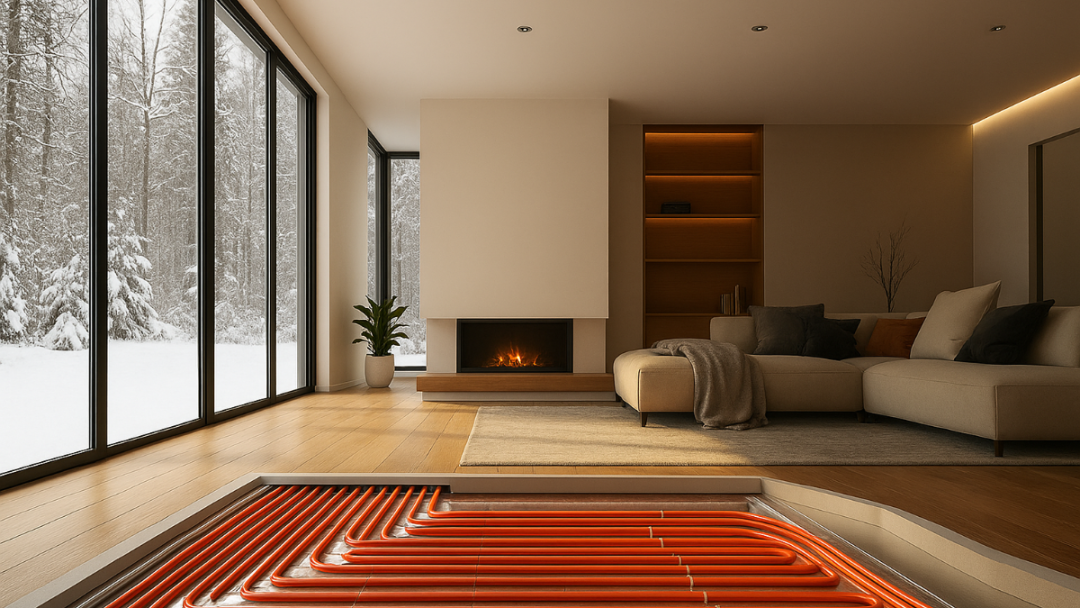
Renovation Investment: Comfort Is Worth Spending On
When renovating, many homeowners believe: a house doesn’t need to look luxurious, but it must feel comfortable. This isn’t about showing off—it’s about investing wisely in quality of life.

Underfloor heating is the perfect example of such a hidden investment. It’s invisible under the floor, yet it determines how warm and comfortable your winters will be for decades to come.
- Imagine a freezing winter day: your children playing barefoot on warm floors, your parents safe from the chill. That’s why so many families choose underfloor heating.
- It’s an investment you don’t see every day, but you feel for years—improving comfort, health, safety, and quality of life at home.
Daily Use: Managing Energy Costs Matters
Spending on installation isn’t the biggest concern—many homeowners don’t hesitate to pay for a high-quality heating system. What truly worries them are the running costs. Underfloor heating is not a one-time purchase; it’s a system that runs year after year. That’s why energy efficiency is such a high priority.
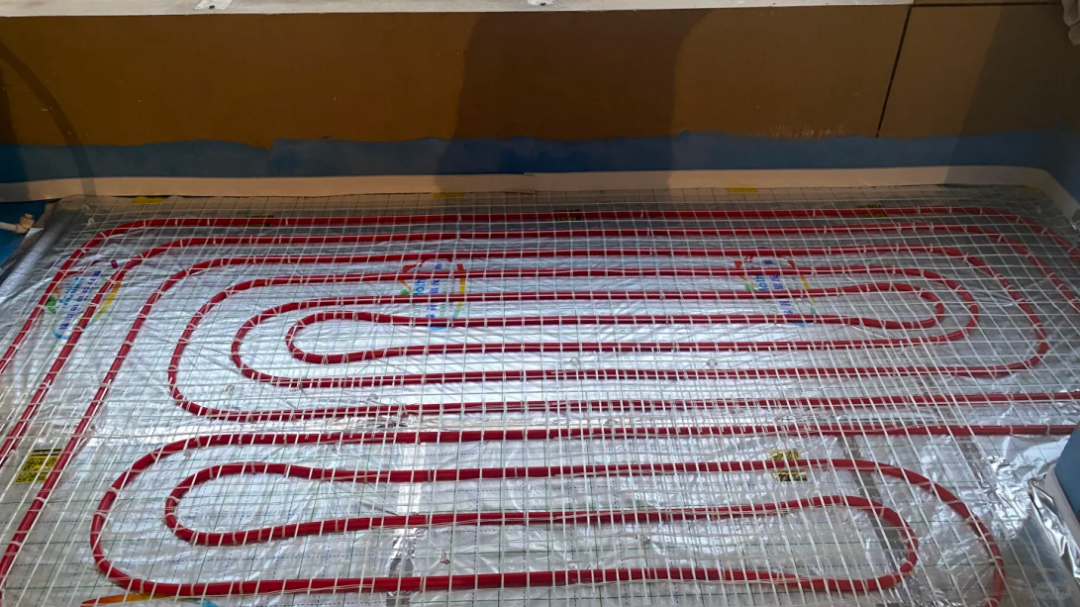
This “contradiction” of spending big on installation while carefully monitoring energy bills is, in fact, consistent: both are about pursuing a better lifestyle. The upfront investment ensures long-term comfort, while energy savings reduce the ongoing burden.
The Core Secret: Insulation Determines Energy Efficiency
A common misconception is that energy savings depend only on buying an expensive boiler or heat pump. In reality, heating efficiency is not just about the system—it’s also about insulation.
When underfloor heating operates, heat can escape downward as well as upward. Quality insulation beneath the floor prevents this heat loss, reducing energy waste. Poor insulation, on the other hand, leads to slow warming, high gas bills, and wasted energy.
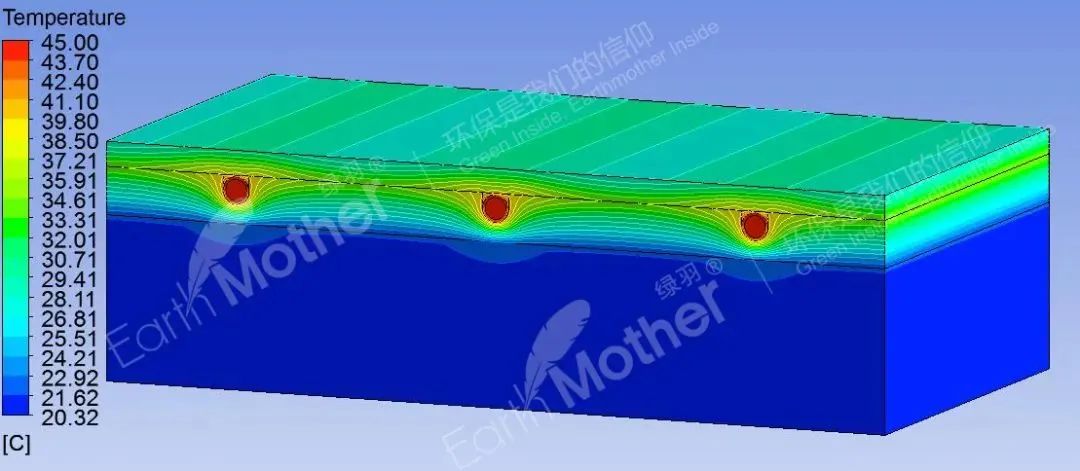
Cutting corners on insulation may seem to save money per square meter, but in the long run, it’s actually a costly mistake.
In short: spend on insulation to save on energy bills.
How to Choose the Right Insulation
The main material is insulation board, usually combined with reflective film, mesh, clips, aluminum tape, and pipe sleeves.
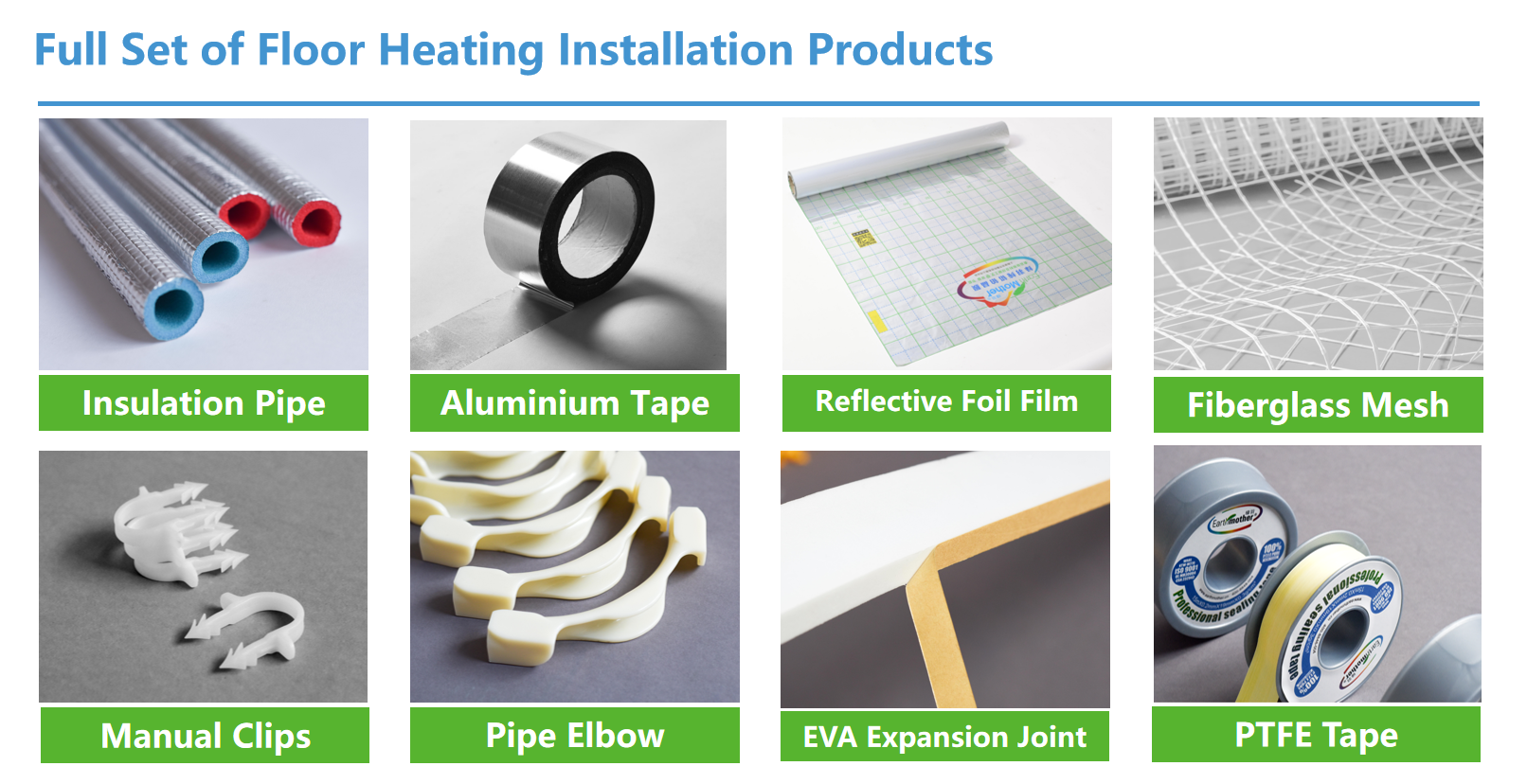
Key factors to check:
- Thermal conductivity: lower is better (≤0.034 W/m·K).
- Thickness: at least 2 cm by national standard, 3 cm recommended for better savings.
- Water absorption: lower is better (XPS ≤1%).
- Compressive strength: high strength prevents floor cracking or sinking.
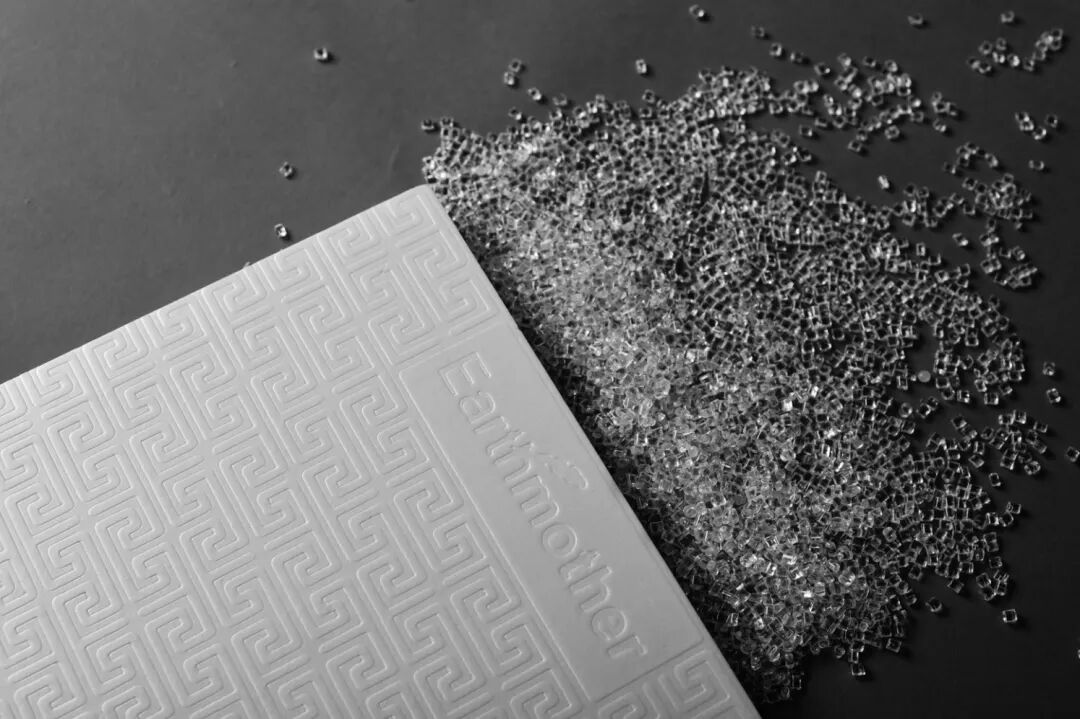
- Eco-friendliness: as it stays under your floor for decades, non-toxic and safe materials are essential for family health.
Choose boards that are eco-friendly, thick, strong, low in water absorption, and excellent in thermal performance.
A Clearer Philosophy of Modern Renovation
- Willing to spend more, but only if it’s truly worth it.
- Willing to invest, but only if it’s safe and healthy.
- Not chasing luxury, but demanding real comfort.
Underfloor heating is just one example of this mindset. What matters most is the daily living experience—the warmth in winter, the comfort of home, the peace of mind that comes with every step.
Smart homeowners don’t save blindly. They know where to spend and where to save.