Heat-up speed, comfort, safety, and long-term performance—all explained in one article.
1. Wood Flooring vs. Tiles: Heat-Up Performance
When it comes to underfloor heating, many homeowners hesitate at the flooring stage:
Should you choose wood flooring or tiles?
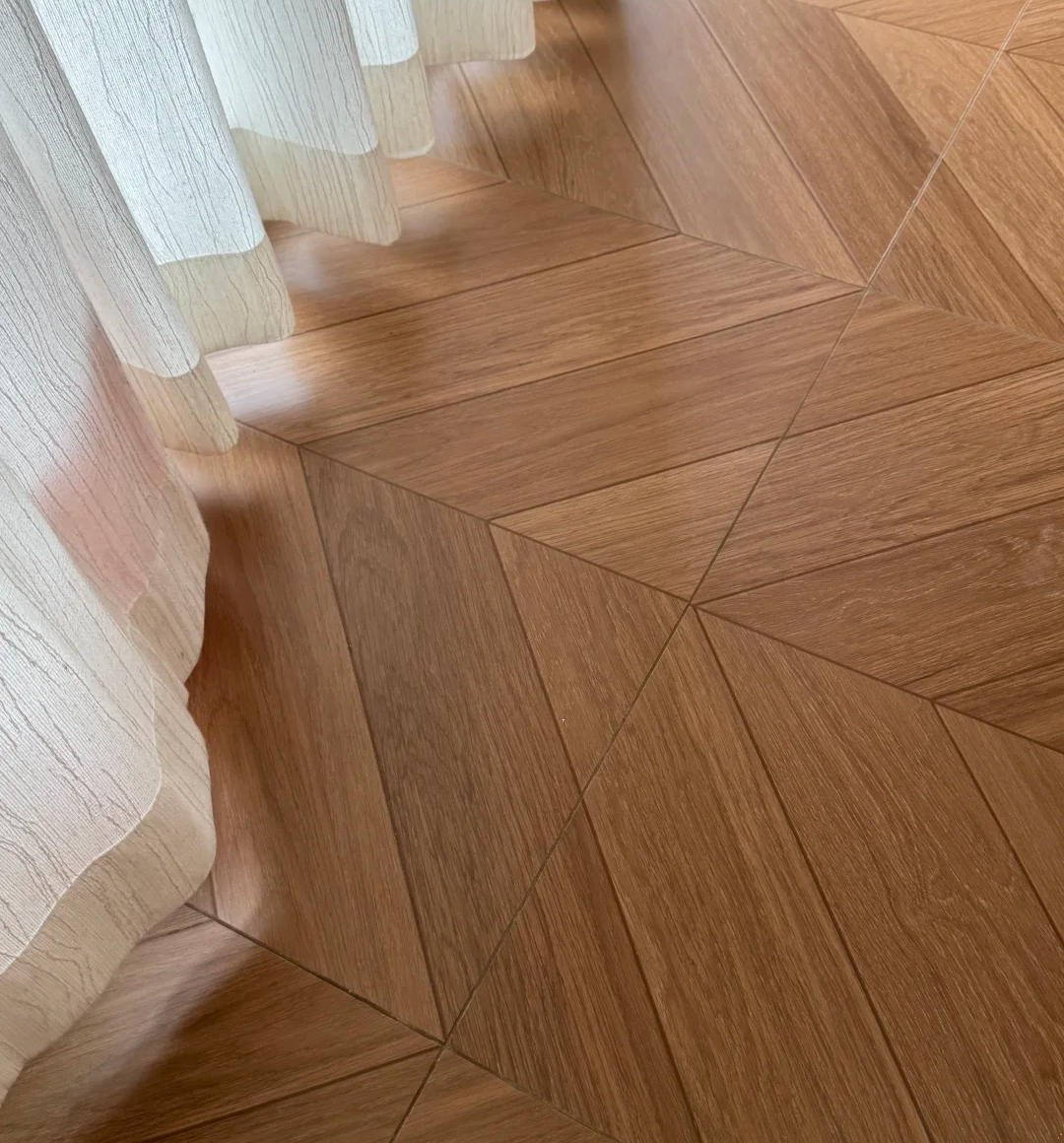
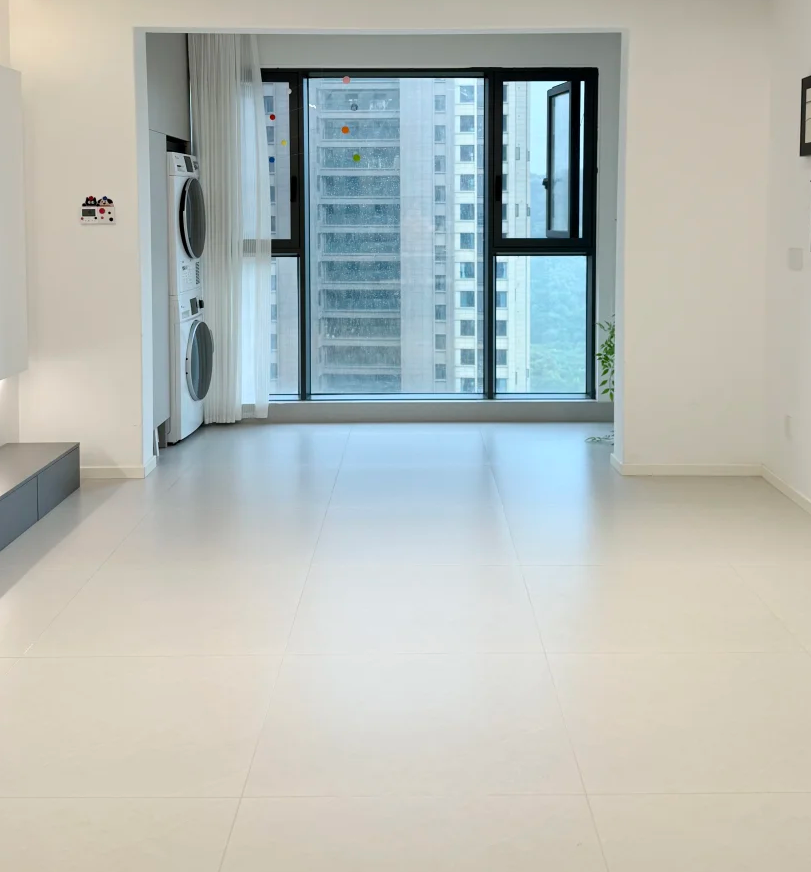
To help answer this, the Earthmother team conducted a comparison test. Using the same underfloor heating system, wood flooring and tiles were installed side by side and heated simultaneously. After 30 minutes, the tile surface temperature rose more than 5°C higher than the wood surface.
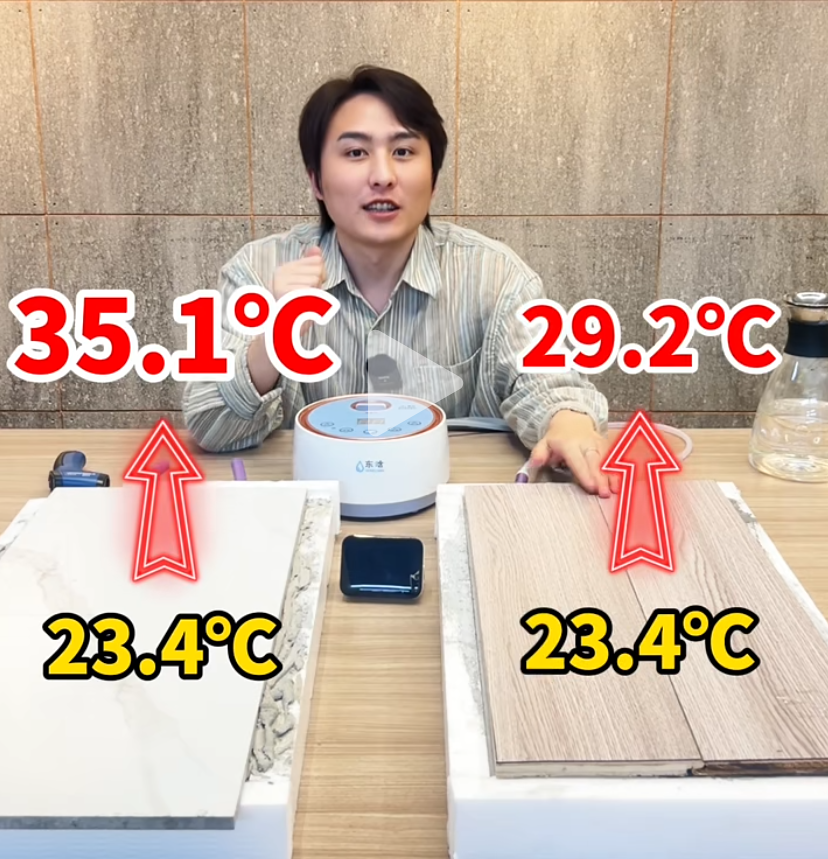
Tiles conduct heat more efficiently and heat up faster, ideal for users who want quick temperature response.
Wood flooring, while slower to heat, retains warmth longer and offers a softer, more consistent surface temperature—perfect for families with children or the elderly.
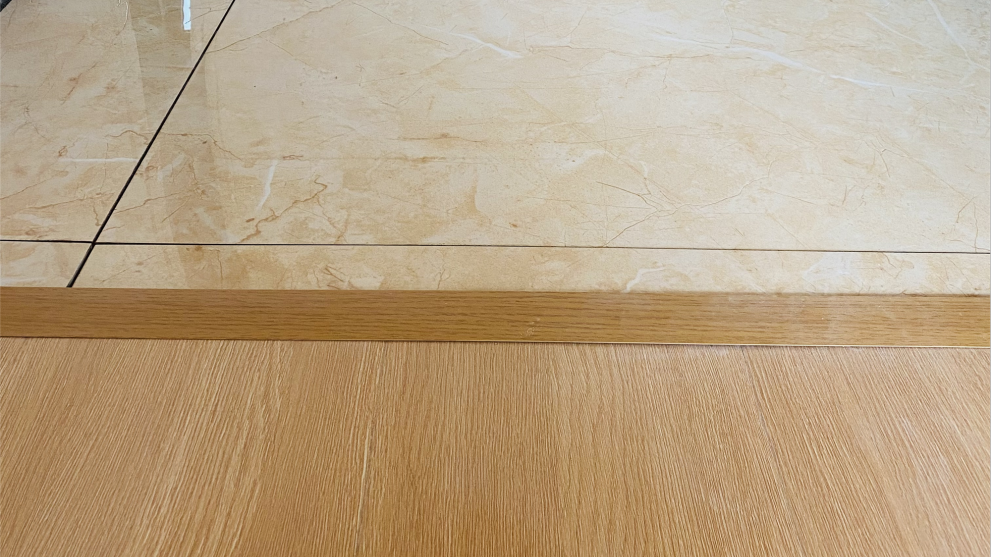
In practice, there’s no absolute “better material.” Tiles are more suitable for high-moisture rooms like kitchens and living areas, while wood flooring provides a warmer, softer feel where comfort matters most.
2. Choosing Wood Flooring: Preventing Warping
If you prefer the look and comfort of wood, remember: not all wood flooring is suitable for underfloor heating.
Only wood products that comply with LY/T1700-2018 performance standards—whether laminate, engineered wood, or solid wood—are safe to use. Otherwise, regular flooring may warp or develop gaps once heating is activated.
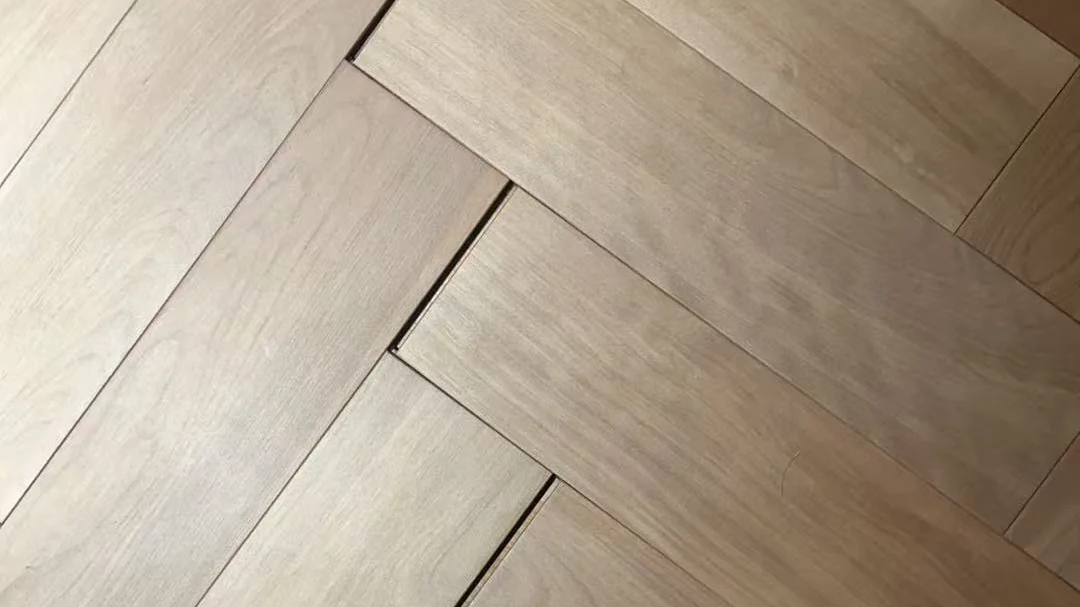
When turning on the system for the first time, avoid jumping directly to a high temperature. Start below 30°C and increase by 2–3°C per day. This gradual warm-up allows the flooring to adapt to expansion and contraction, reducing the risk of deforming or widening gaps.
3. Choosing Tiles: Preventing Cracking
Tiles are loved for their fast heat transfer, durability, and easy maintenance. However, tile cracking after heating is a common complaint, usually caused by construction issues rather than the tiles themselves.
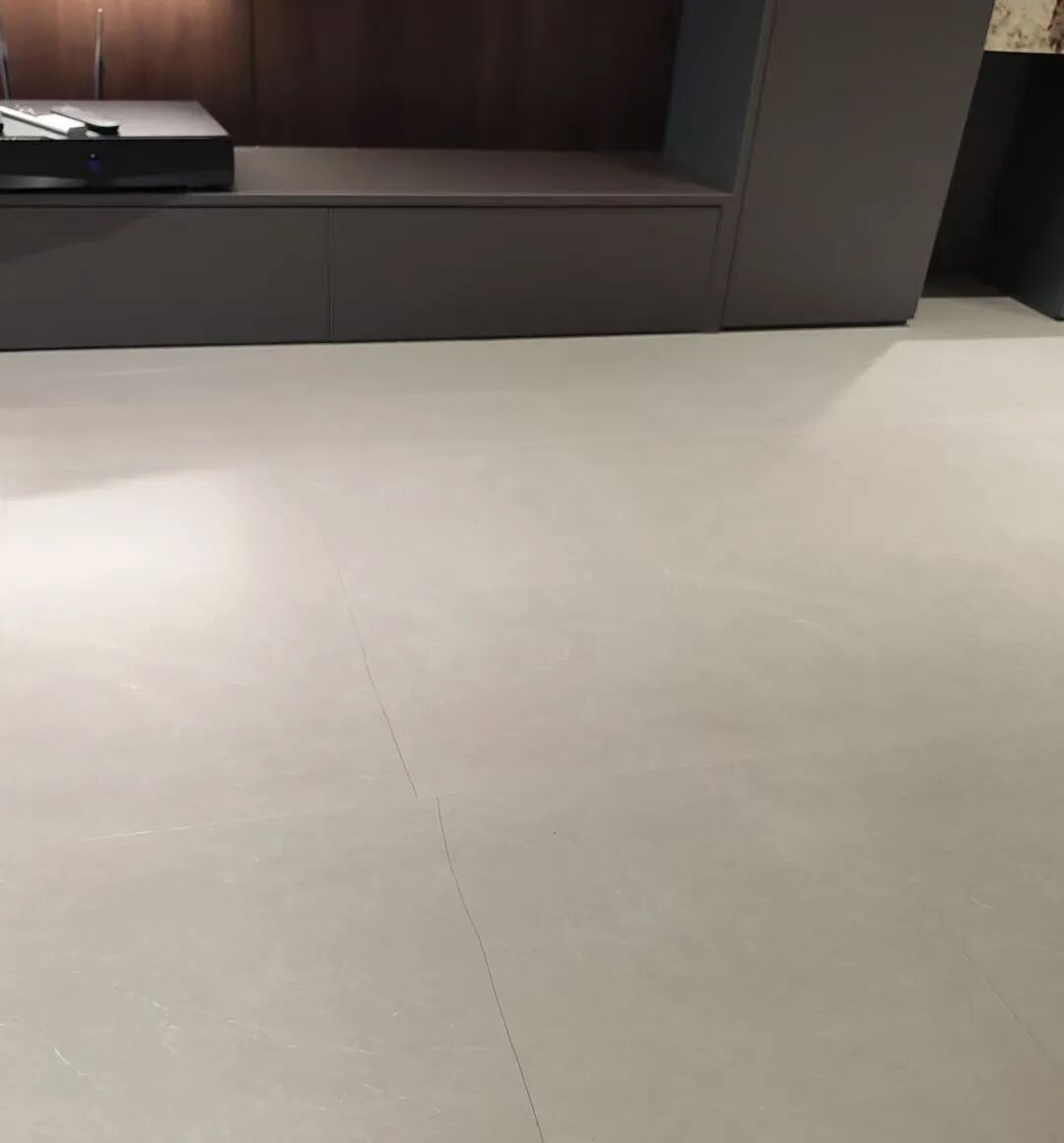
Common causes:
Overly high cement strength
For tile installation, 325# cement is sufficient. Higher-strength cement hardens too fast and may retain excessive moisture. When the floor heating evaporates moisture rapidly, shrinkage forces can lead to cracks.
Lack of expansion joints
Large tile surfaces must include expansion joints. Without them, thermal expansion may cause bulging, displacement, or cracking once the system heats up.
Heating too quickly
At the initial start-up, set the supply temperature about 5°C above room temperature. Increase by 5°C every 2–3 days until reaching a comfortable level. This protects both the tiles and the screed beneath.
4. Beyond the Surface: Insulation Matters Even More
Whether you choose wood or tile, flooring is only the “surface layer” of the system. The durability and efficiency of underfloor heating rely heavily on the insulation layer beneath.
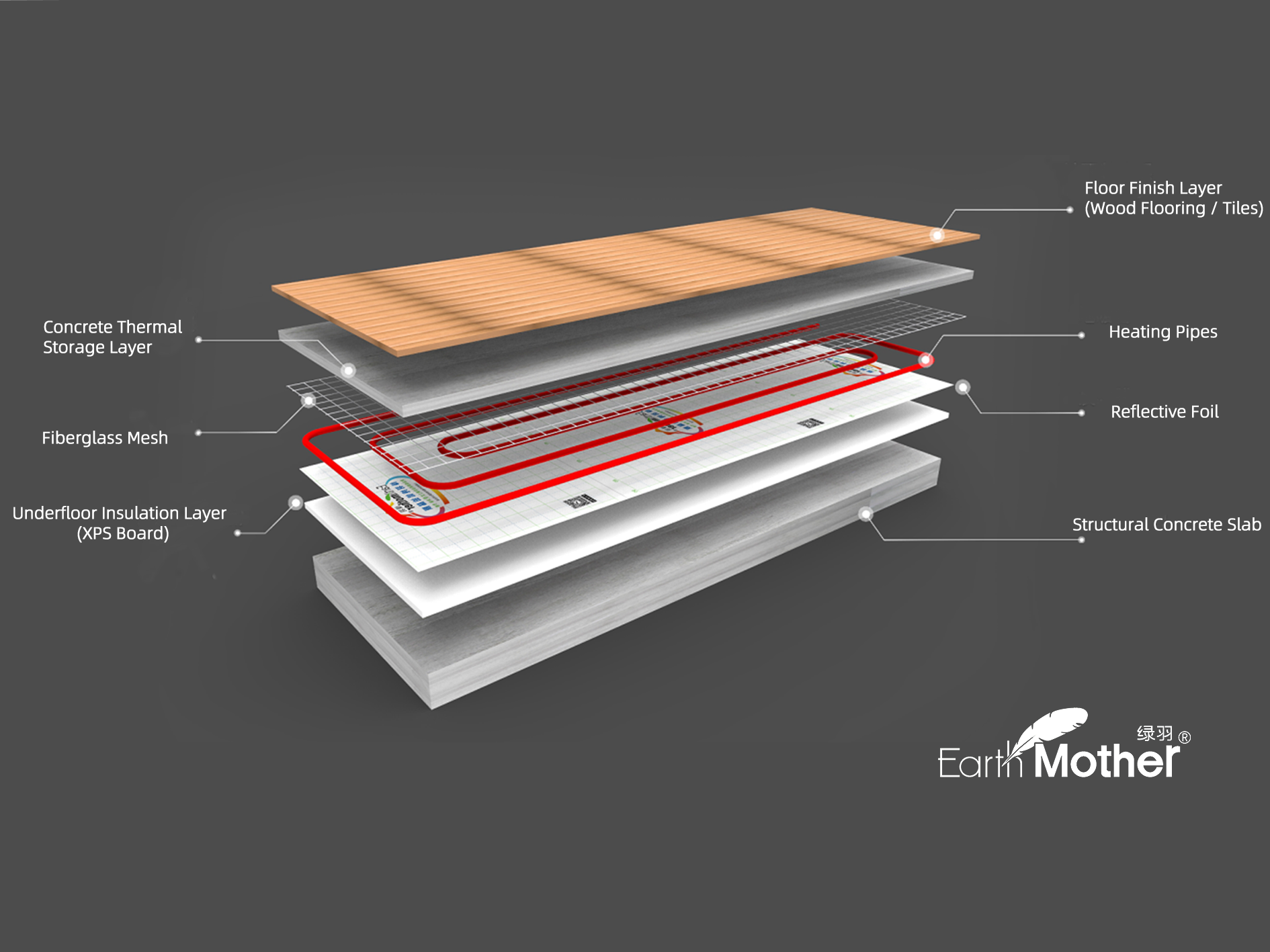
If low-quality insulation boards are used, problems may arise over time:
- Uneven or sinking floor surface
- Loose tiles or warped flooring
- Heat loss and increased energy consumption
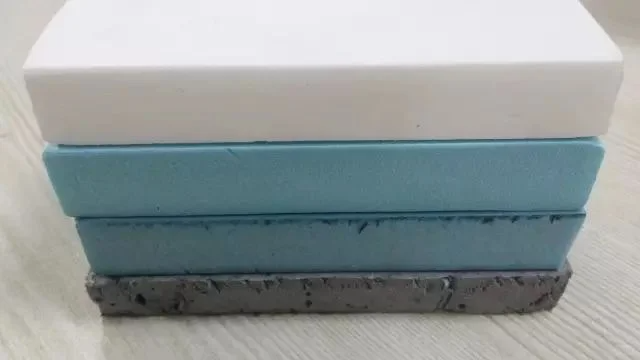
Many homeowners who value environmental safety choose Earthmother’s XPS Board as the insulation layer. The production process is fully transparent, supported by 24/7 online live-stream monitoring. Only 100% brand new raw materials are used—no recycled or inferior additives—ensuring reliable insulation, compressive strength, and long-term stability.
Conclusion
A reliable underfloor heating system depends on more than just your choice of wood flooring or tiles.
Stable insulation + proper installation + quality materials are the real foundation of long-term comfort and performance.