Building a Drier, More Comfortable Home
The rainy season seems to be back across eastern China.
After days of persistent rain, the air feels damp, clothes take longer to dry, and even floors and bedding can lose that familiar sense of freshness.
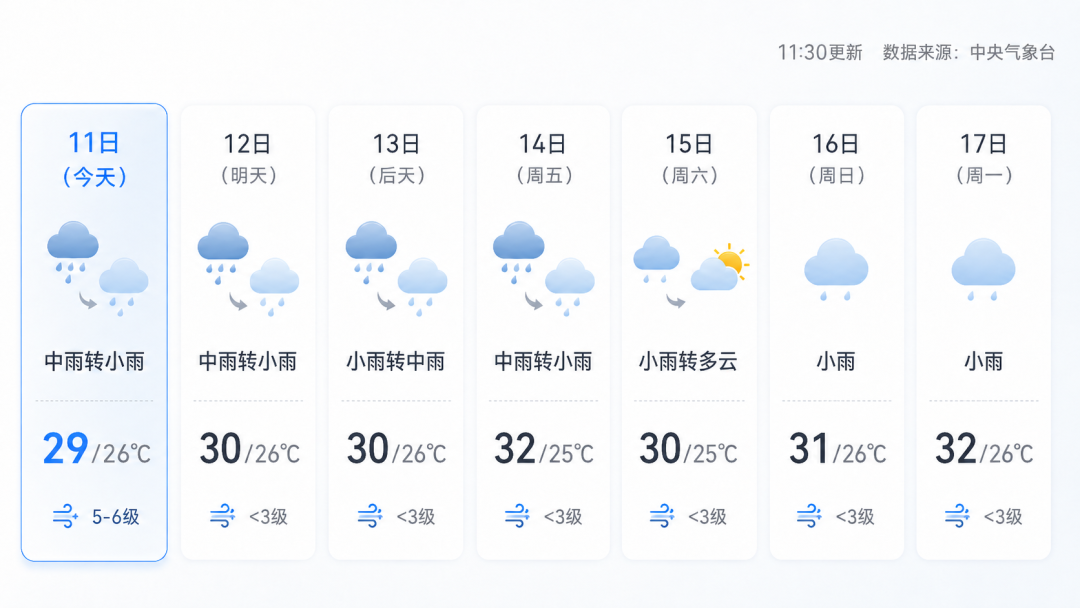
For people living in humid climates, these conditions are nothing new.
But when high humidity persists, the impact can go far beyond everyday inconvenience.
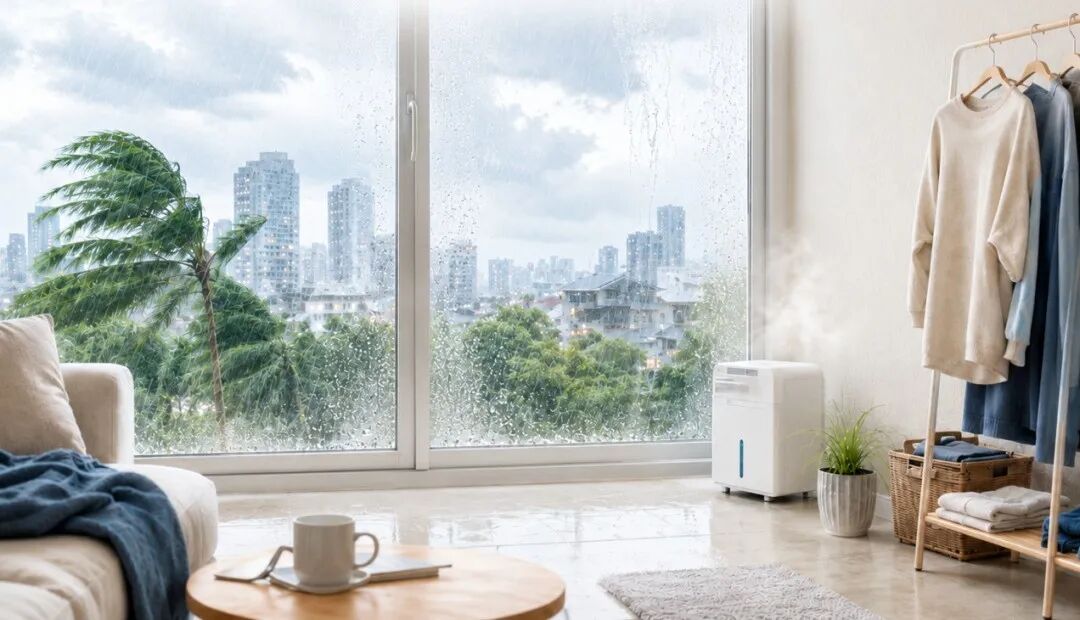
When the Air Stays Damp, Your Home Feels It Too
During periods of continuous rainfall, high outdoor humidity can make it harder for indoor moisture to dissipate naturally.
Areas with limited ventilation — such as wall corners, the interior side of exterior walls, behind cabinets, ceilings, and bathrooms — can be particularly vulnerable to prolonged moisture exposure.
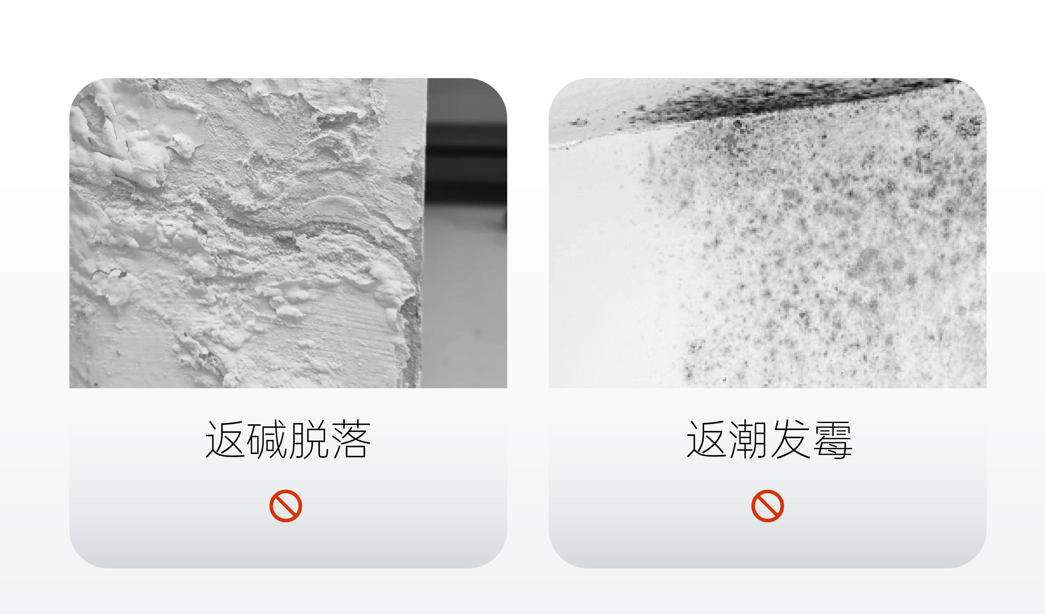
Over time, persistent dampness may affect the condition of building surfaces and increase the risk of moisture-related issues such as condensation and mold growth.
A truly comfortable home is about more than staying warm in winter and cool in summer.
It also needs to be prepared to handle moisture.
More Than Temperature: Building a Home That Handles Moisture
At Earthmother, we look beyond thermal performance.
We also focus on the dryness, comfort, and long-term performance of the living environment.
Different areas of a home face different moisture conditions. That is why Earthmother has developed dedicated solutions for both dry and wet areas, helping provide targeted protection for different parts of the building system.
For Dry Areas | Earthmother Graphite EPS Composite Board
Thermal insulation, moisture resistance, and sound insulation in one integrated solution.
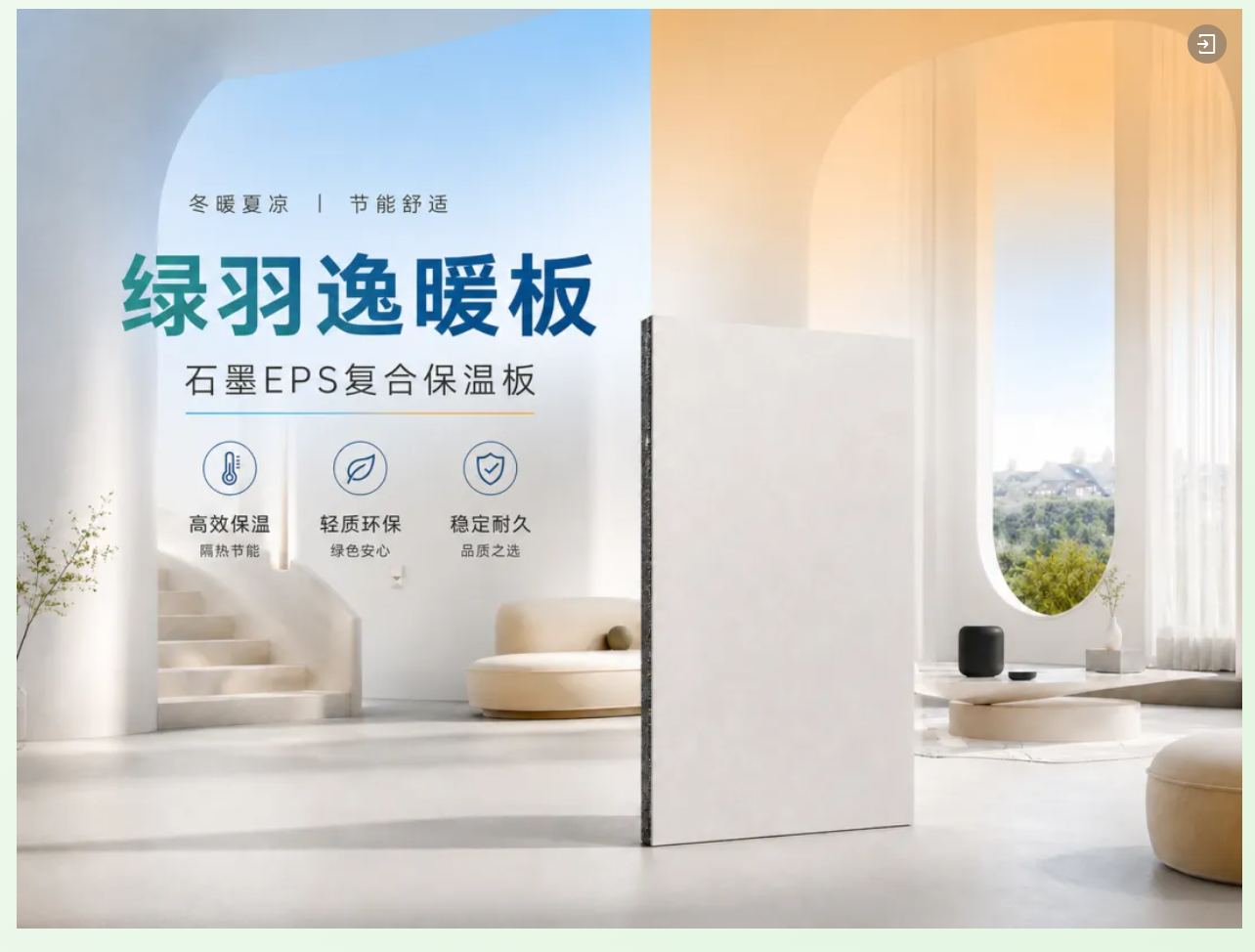
Earthmother Yinuan Board features a graphite EPS composite gypsum board structure and is designed for dry indoor spaces such as living rooms, bedrooms, and home offices, as well as interior wall and roof insulation applications.
By improving the thermal performance of the building envelope, it can also help enhance the wall system's resistance to moisture and contribute to a more stable, dry, and comfortable indoor environment.
For Wet Areas | Earthmother Cement Board
A reliable protective layer for moisture-prone spaces.
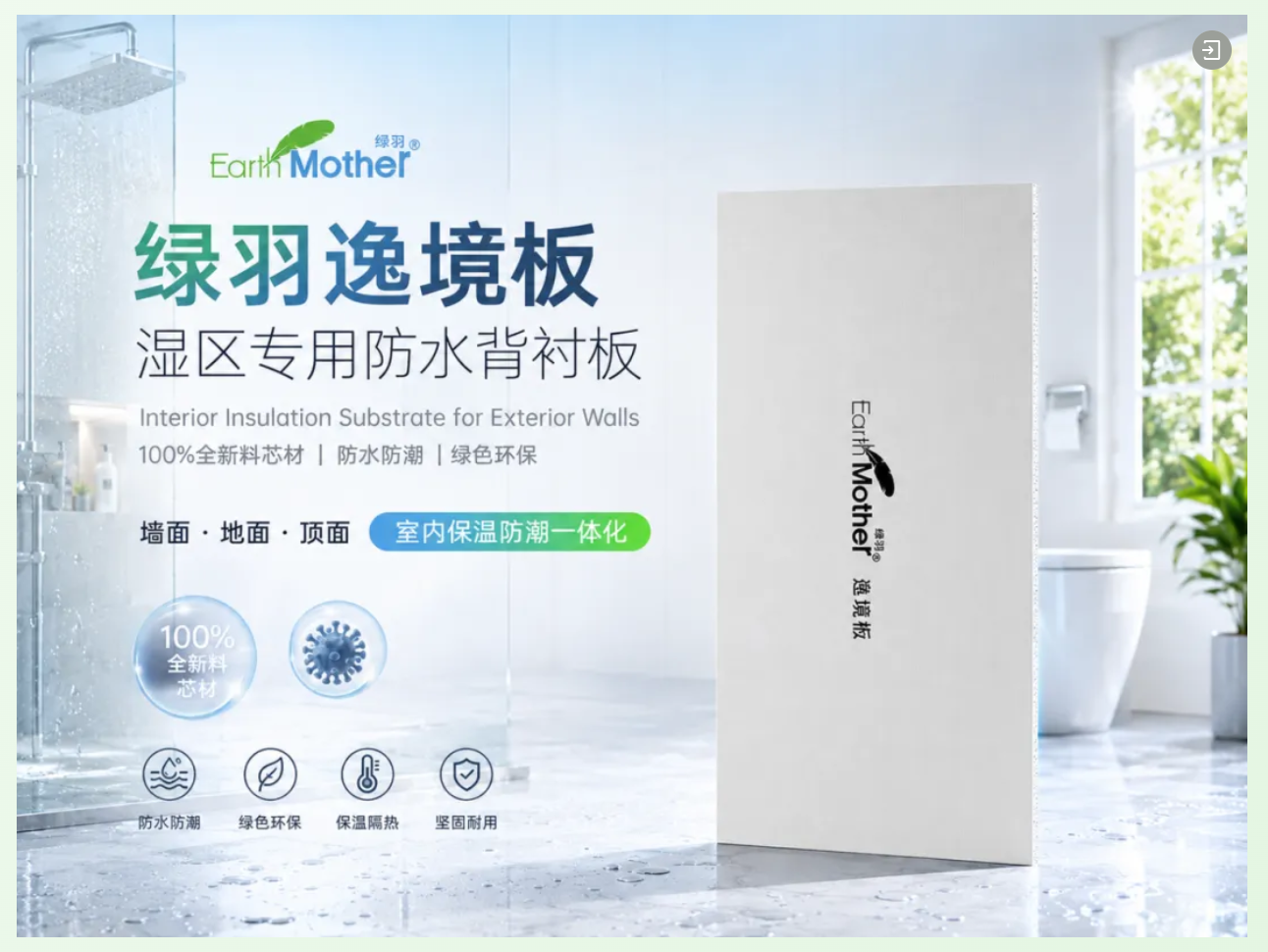
Earthmother Yijing Board is a professional water-resistant backer board featuring a core made from 100% virgin material. It is designed for wet-area wall systems, including kitchens and bathrooms.
It provides a stable substrate for tiled finishes while helping the wall system better withstand prolonged exposure to moisture, reducing the risk of moisture-related deterioration and mold growth.
From dry areas to wet areas, from walls to roofs, and from visible comfort to the building components hidden beneath the surface, Earthmother combines professional materials with system-based solutions to help create healthier, more comfortable living environments.
· · ·
Four Simple Ways to Manage Indoor Humidity
A well-designed building system provides the foundation for long-term comfort. During periods of persistent rain, however, everyday habits can also make a difference.
1 | Check the Humidity Before Opening the Windows
When it is raining frequently and outdoor humidity is high, keeping windows open for long periods may introduce even more moisture into the home.
Consider indoor and outdoor humidity levels when deciding when and how long to ventilate.
2 | Make Use of Dehumidification
During prolonged rainy weather, use your air conditioner's dehumidification mode or a dedicated dehumidifier when needed.
Keeping indoor relative humidity at a comfortable level can help reduce that damp, heavy feeling indoors.
3 | Keep Bathrooms Properly Ventilated
After showering, avoid switching off the exhaust fan immediately.
Allow it to run for a while longer to help remove moisture from the air and reduce moisture accumulation on walls and floors.
4 | Address Condensation and Mold Early
If you notice persistent damp marks, condensation, or mold spots on walls, investigate the underlying cause.
Potential issues may include water infiltration, condensation, or insufficient insulation. Depending on the situation, appropriate waterproofing, insulation, or interior renovation measures may be required.
· · ·
A storm will eventually pass.
The rainy season will eventually end.
But for a home designed to last for decades, the real question is not how it handles one particular rainy day.
It is whether the home is prepared for years of rain, humidity, condensation, and changing weather conditions.
Because true comfort is not just about controlling temperature.
It is about building a home that is ready for whatever the weather brings.