A factory visit exploring what really makes a comfortable, energy-efficient home.
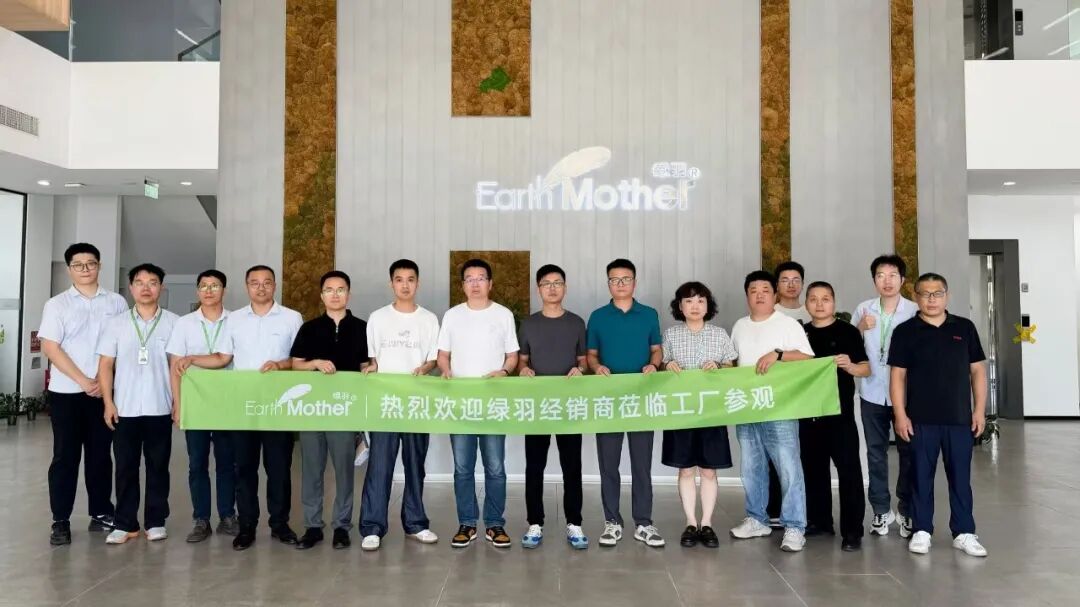
In August 2026, Zhejiang Dajin Environmental Technology, an Earthmother distributor, visited the Earthmother factory for an in-depth exchange.
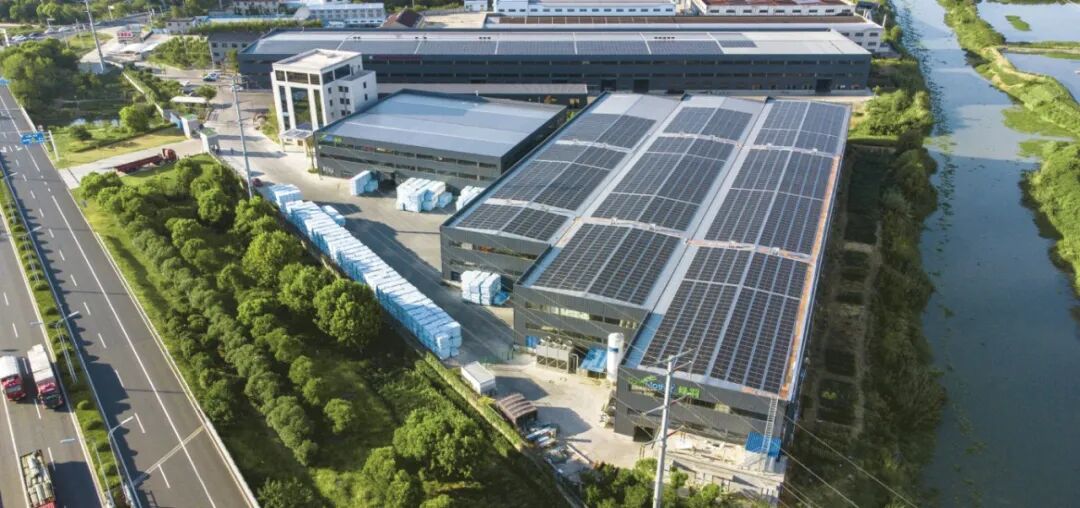
As an experienced integrator in China’s five-constant home comfort industry, Zhejiang Dajin has long focused on HVAC and whole-home comfort systems. During this visit, the two teams explored a broader question: What does a truly comfortable and energy-efficient home need beyond advanced equipment?
The Foundation of a Better Home
From underfloor heating insulation to interior wall insulation, Earthmother has continued to expand its product portfolio toward more comprehensive building energy-efficiency solutions.
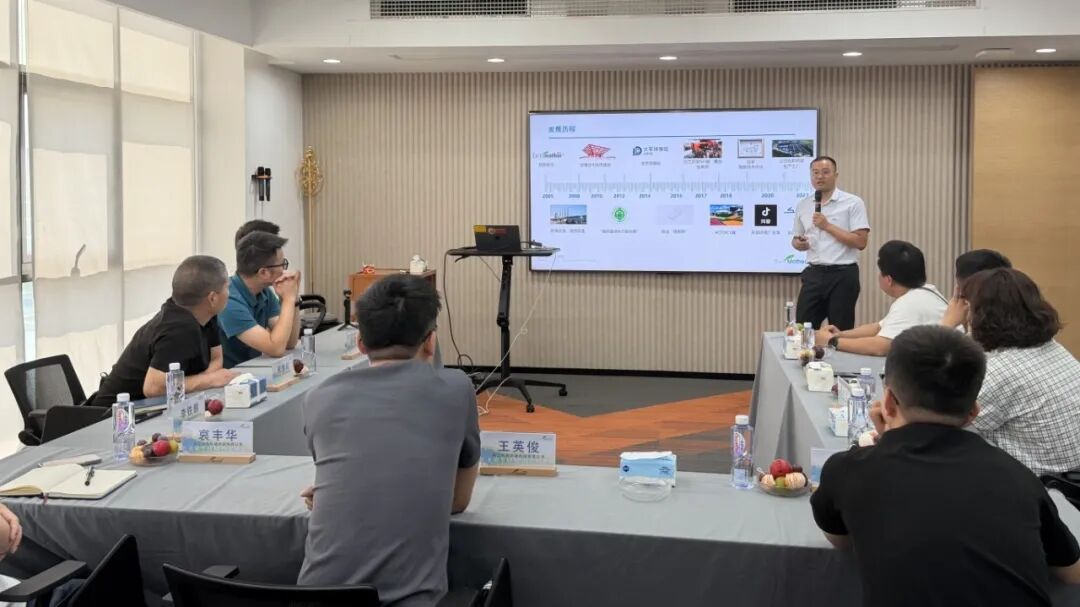
During the discussions, Earthmother Marketing Director Shuangshuang Yu introduced the company’s development and product strategy. The two teams exchanged ideas on insulation, energy consumption, environmental performance, and indoor comfort in residential projects.
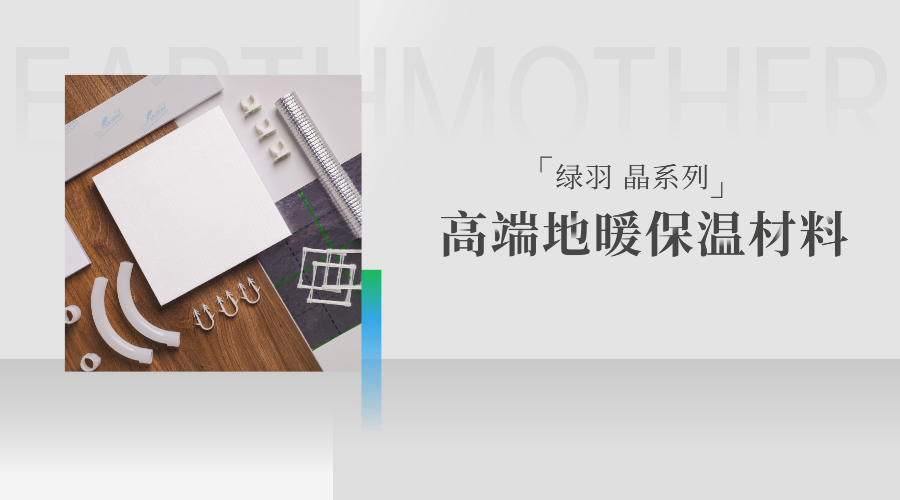
For underfloor heating, an effective insulation layer helps reduce downward heat loss. More broadly, the building envelope—including walls, floors, and roofs—also plays an important role in retaining indoor heating or cooling and reducing system energy consumption.
One point became increasingly clear: a high-quality home is not defined by how advanced its equipment is alone. The building itself needs a solid foundation.
Why Does Earthmother Livestream Its Production Line?
With a strong focus on material quality, the Zhejiang Dajin team visited Earthmother’s production facilities to see how the materials are actually made.
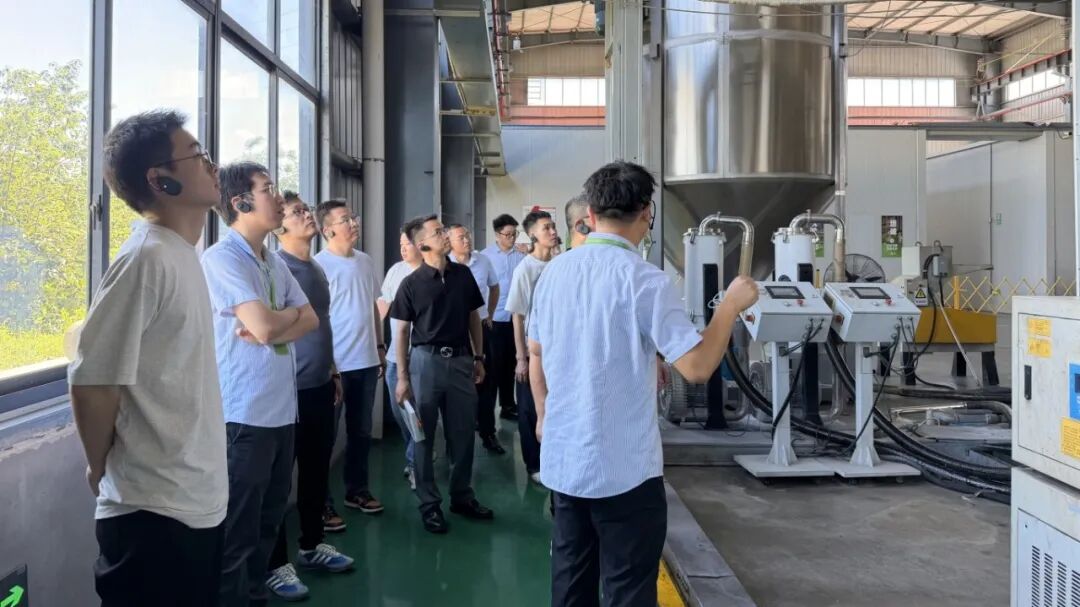
Is the XPS Board really made from 100% virgin material? How is it produced? What goes into the manufacturing process? These are details that are difficult to see in a showroom or on a construction site—but they can be seen directly at the Earthmother factory.
At the XPS Board production line, the team observed the clean, transparent raw material pellets used in production. The manufacturing process combines CO₂ foaming technology with DuPont polymeric flame retardant, supporting a production process focused on material performance, safety, and environmental considerations.
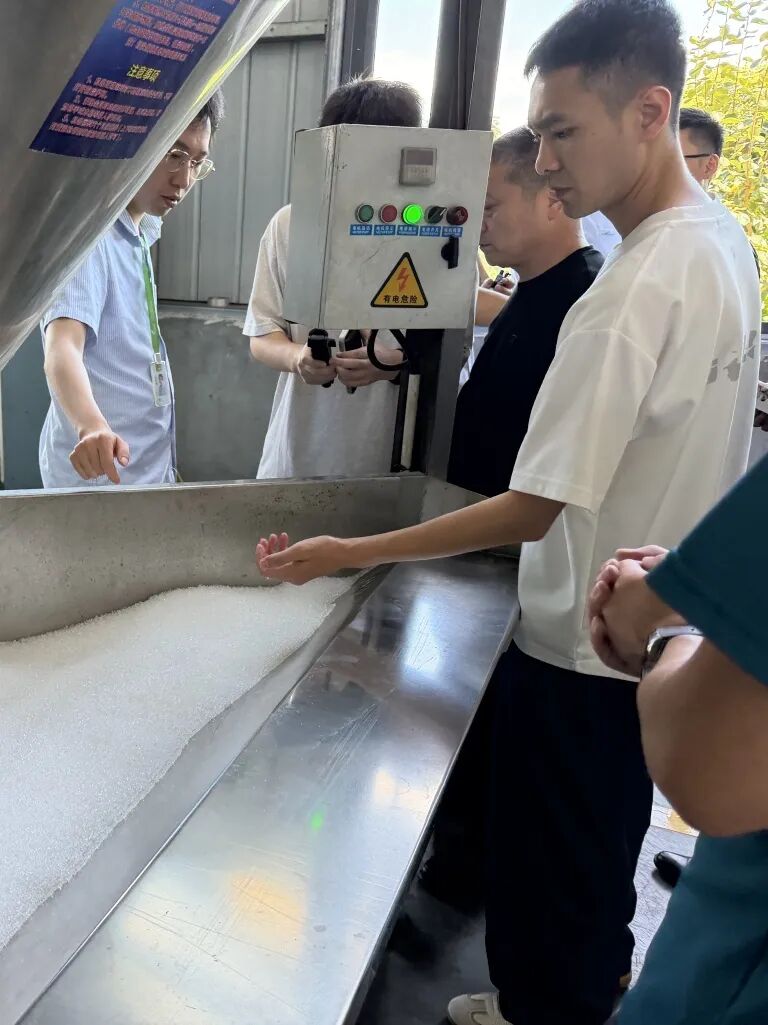
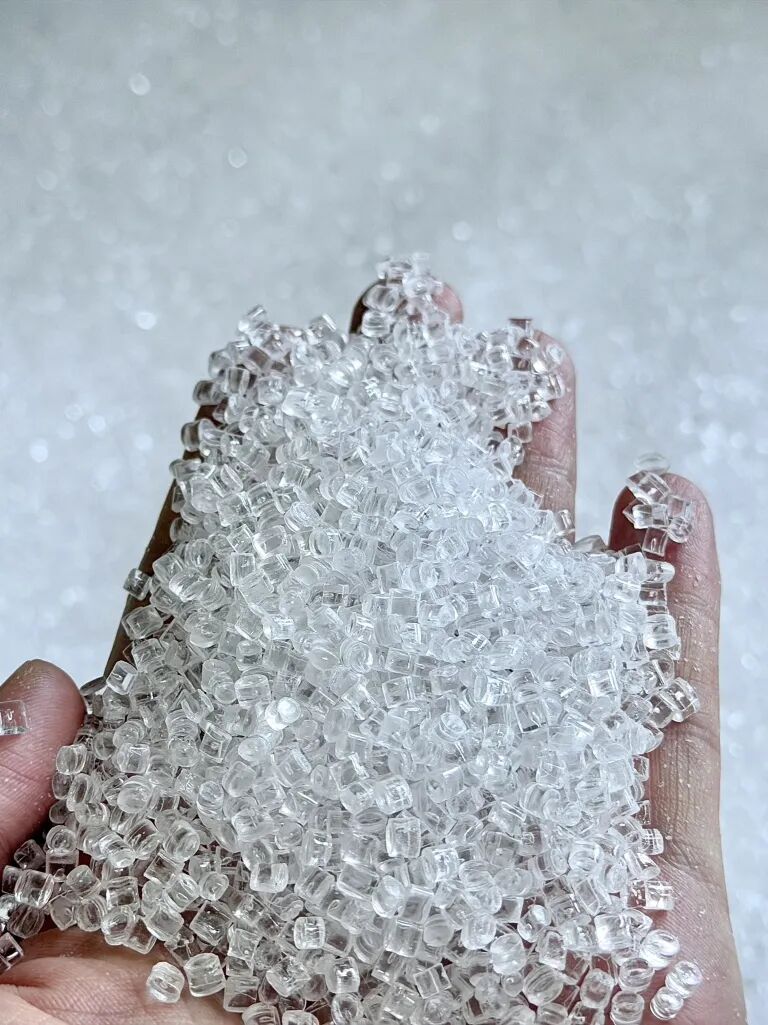
A monitoring system has also been installed at the raw material feeding area for 24-hour live monitoring. Making the production process transparent is not simply about letting people see what happens inside the factory. It also provides ongoing oversight and gives customers another way to understand how their insulation materials are made.
At the product testing center, the team gained a more direct understanding of how material quality is evaluated. Thermal conductivity, density, compressive strength, melt flow rate, and other key properties are tested throughout the production process, from raw materials to finished products.
For underfloor heating insulation, thermal insulation is only the starting point. Environmental performance, compressive strength, flame resistance, and long-term stability also contribute to the performance of the finished system.
Understanding Materials—and How to Use Them
The conversation then moved beyond the floor to the walls and the wider building envelope.
As part of Earthmother’s building energy-efficiency solutions, the technical team introduced different insulation solutions for walls, roofs, wet and dry areas, and other residential applications. AI applications and digital tools were also used to make complex topics such as building energy efficiency and heat-load calculations more visual and easier to understand.
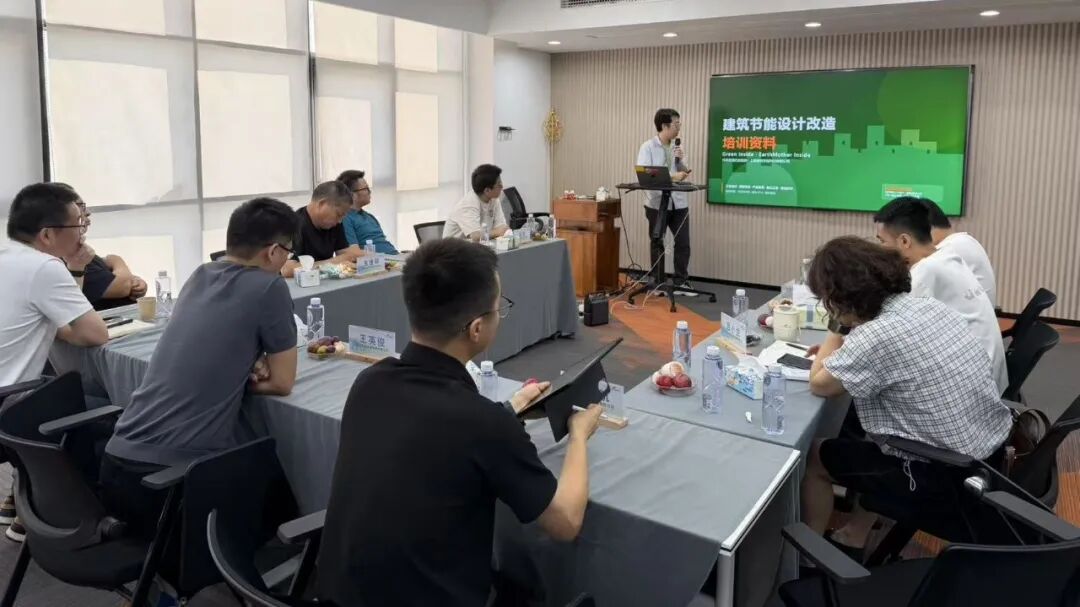
Understanding a product is only part of the equation. Real-world performance also depends on how the material is installed.
At Earthmother’s product demonstration facility, the team observed practical interior insulation installation. Earthmother’s specialists demonstrated key steps including substrate preparation, board installation, and detail finishing.
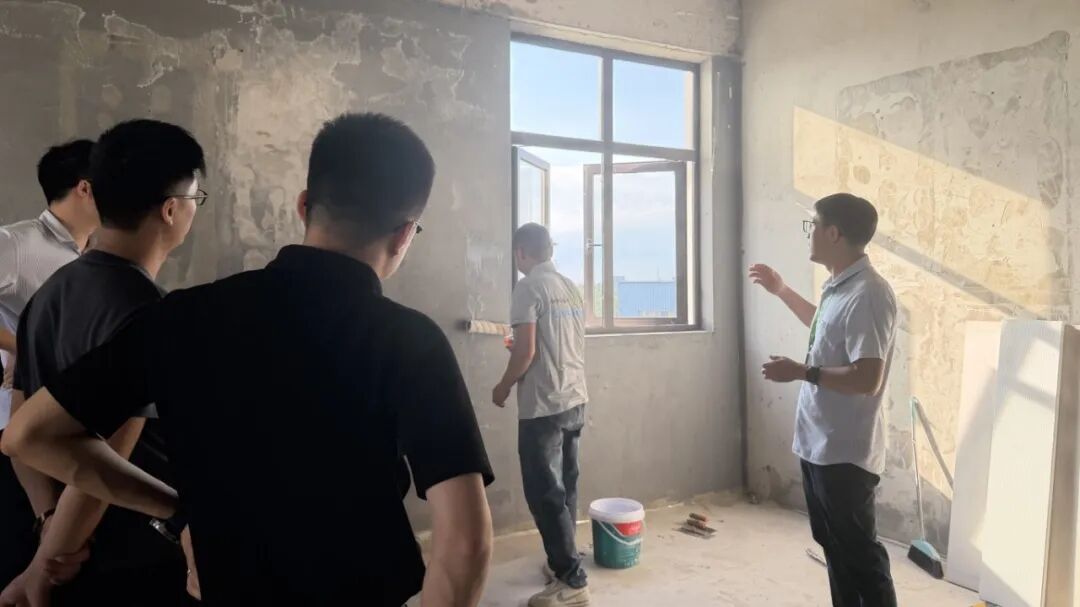
From a single insulation board to a complete interior insulation system, the final result often comes down to the details of installation.
Comfort Is More Than Five “Constants”
Today, concepts such as “five-constant” and “six-constant” comfort systems are becoming increasingly common.
But when it comes back to the actual living experience, indoor comfort still depends heavily on fundamental factors such as temperature, humidity, air cleanliness, and airflow distribution.
These outcomes cannot be achieved simply by adding more equipment. Equipment, insulation materials, system design, and professional installation all work together to determine the quality of a comfortable home.
That is why professionals working with whole-home comfort systems are paying increasing attention to the insulation materials hidden beneath the floor and inside the walls.
Because a truly comfortable home requires every part of the system to perform at a professional level.
Professional systems deserve professional materials.
And every comfortable home deserves a stronger foundation.