Lower costs, shorter installation timelines, and more flexibility—summer is often the smartest season to prepare your home for winter comfort.
Why Install Underfloor Heating in Summer?
At first glance, installing underfloor heating in the hottest season of the year may seem unnecessary. In reality, summer is one of the best times to complete the installation.
A well-designed underfloor heating system requires time for planning, material selection, installation, and testing. Completing the project during the warmer months means your home will be fully prepared before temperatures drop, avoiding the stress, delays, and limited options that often come with winter installations.
1. More Time for Better Planning
Summer provides greater flexibility for both homeowners and installers.
With fewer scheduling pressures, there is more time to carefully evaluate different heating solutions, optimize the system design, and ensure every stage of installation is completed to a high standard. Installers are also less likely to be working under peak-season deadlines, helping improve overall workmanship.
2. More Heating Options Available
When winter arrives unexpectedly, many homeowners need an immediate heating solution.
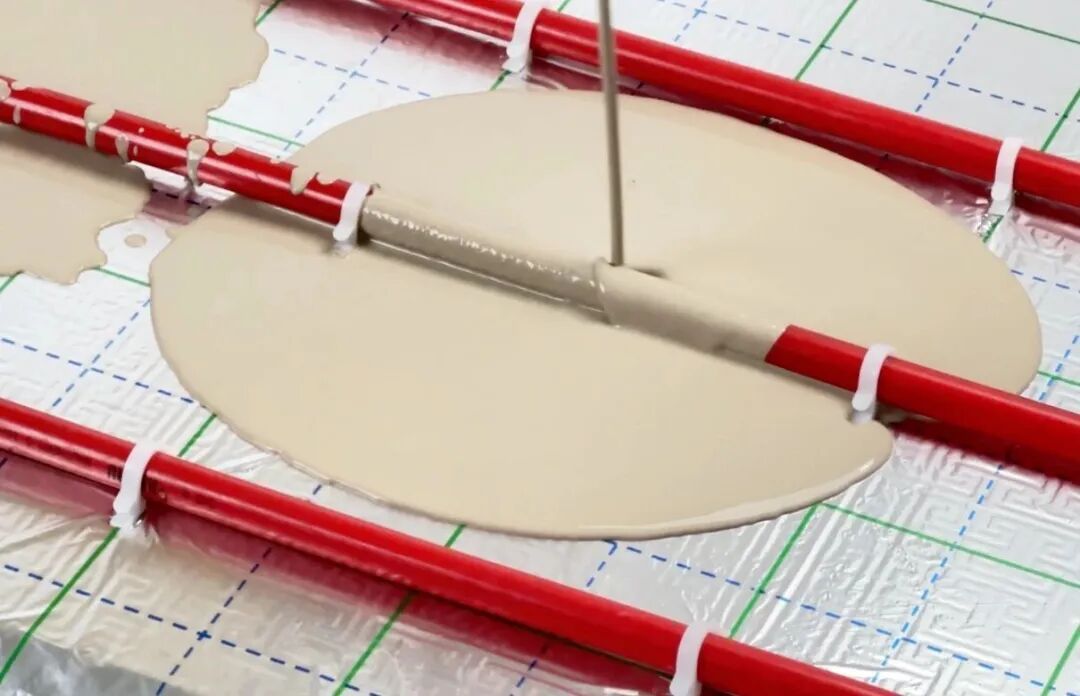
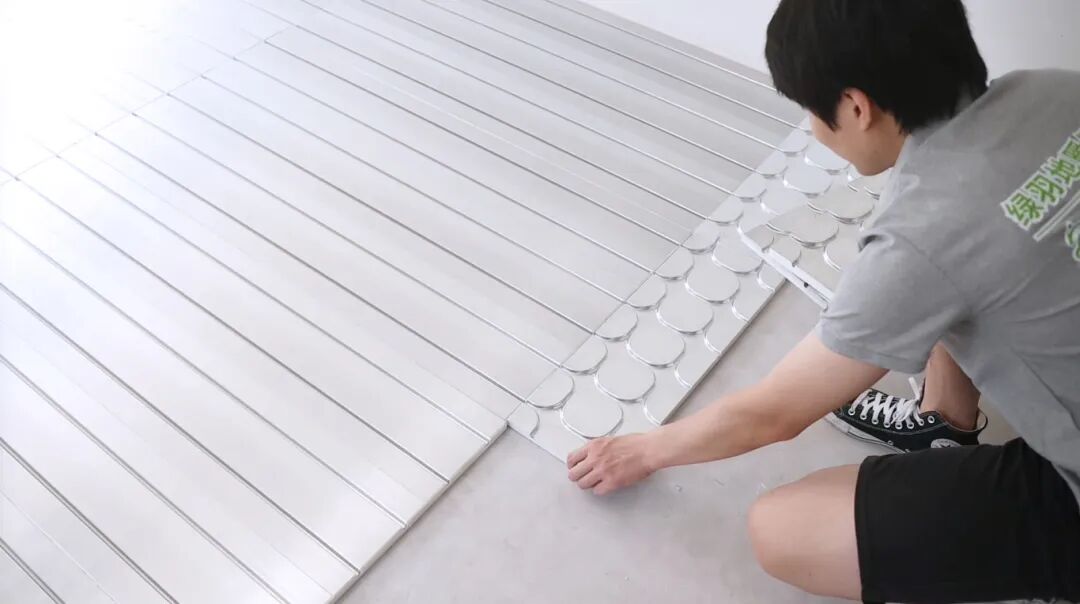
Traditional hydronic underfloor heating systems require more installation time, making them less suitable for urgent winter projects. As a result, homeowners often have to choose radiators or fast-install dry underfloor heating systems instead.
During the winter peak season, installer availability can also be limited, leading to longer waiting times.
3. Faster Drying and Commissioning
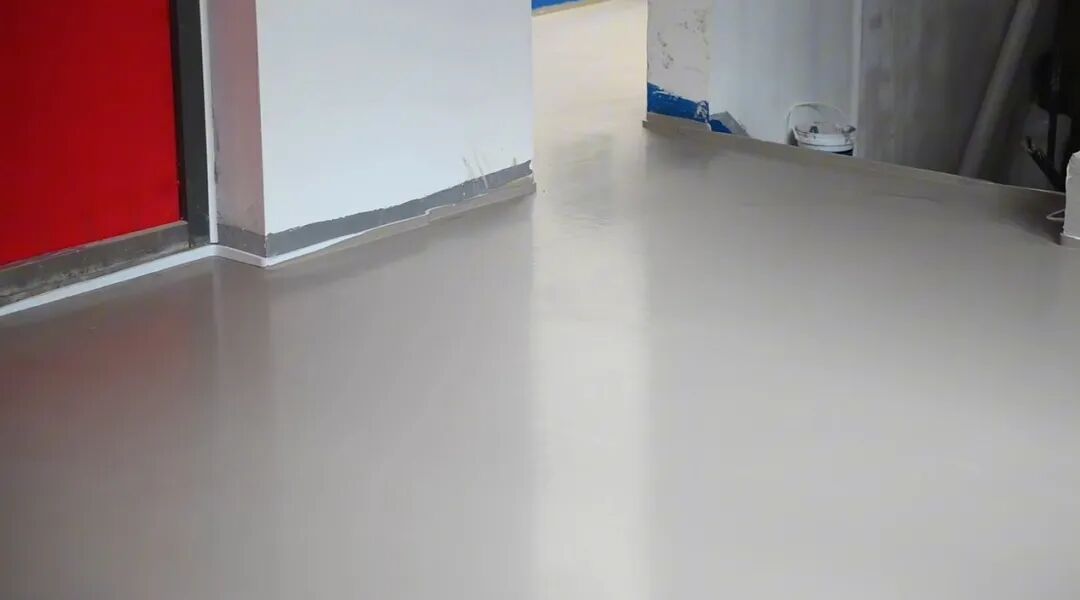
For wet underfloor heating systems, the concrete screed requires sufficient curing time after installation.
The higher temperatures in summer naturally accelerate the drying process, reducing construction time and allowing installers to complete system commissioning well before the heating season begins. Any adjustments or inspections can be finished in advance, ensuring reliable performance when winter arrives.
4. Better Tile Installation Quality
Warm summer weather also benefits floor finishing.
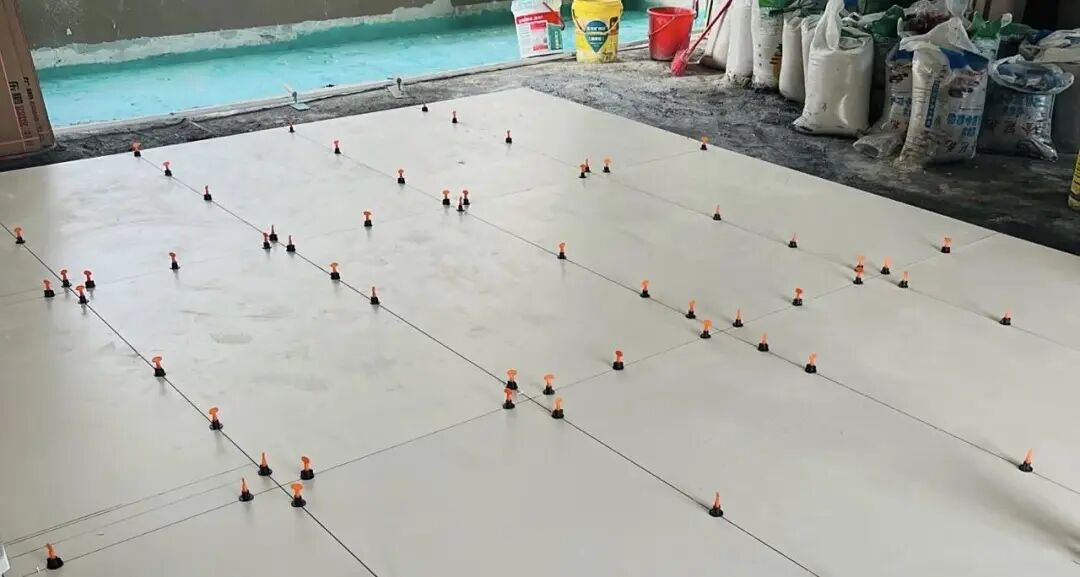
Tile adhesives and cement-based materials cure more efficiently in higher temperatures, allowing tiles to bond more securely to the substrate. This helps reduce the risk of hollow spots, debonding, or loose tiles caused by slow curing.
Professional installers typically prepare tiles properly before installation to ensure optimal adhesion and long-term durability.
5. Better Value During the Off-Season
Summer is generally considered the off-season for both renovation and heating projects.
With lower installation demand, homeowners often enjoy:
· More competitive pricing
· Seasonal promotions
· Greater installer availability
· More flexible project scheduling
In many cases, discounts that are difficult to obtain during winter become much easier to negotiate.
A Great Opportunity for Older Homes
Many older homes struggle to retain heat due to poor insulation, making winter heating both less effective and more expensive.
Summer is an ideal time to improve the building envelope before the heating season begins. Whether upgrading wall insulation or installing a new underfloor heating system, completing these improvements early allows sufficient time for a comprehensive renovation without the pressure of cold weather.
Prepare for Winter Before It Arrives
Installing underfloor heating in summer offers more than seasonal savings. It provides greater planning flexibility, shorter construction schedules, improved installation conditions, and enough time to ensure the system is fully tested before winter.
Whether you're renovating an older property or building a new home, taking advantage of the summer installation season allows you to enjoy a warmer, more comfortable home when you need it most. Waiting until winter often means higher costs, longer lead times, and fewer choices. Preparing ahead simply makes better sense.