Why Underfloor Heating Insulation Needs Flame Retardancy
Many people installing underfloor heating for the first time have the same question:
“If the insulation is buried under the floor and won’t come into contact with fire, why does it need to be flame retardant?”
The answer is that there are two different stages to consider: installation safety and long-term use.
01 The First Concern Is the Installation Stage
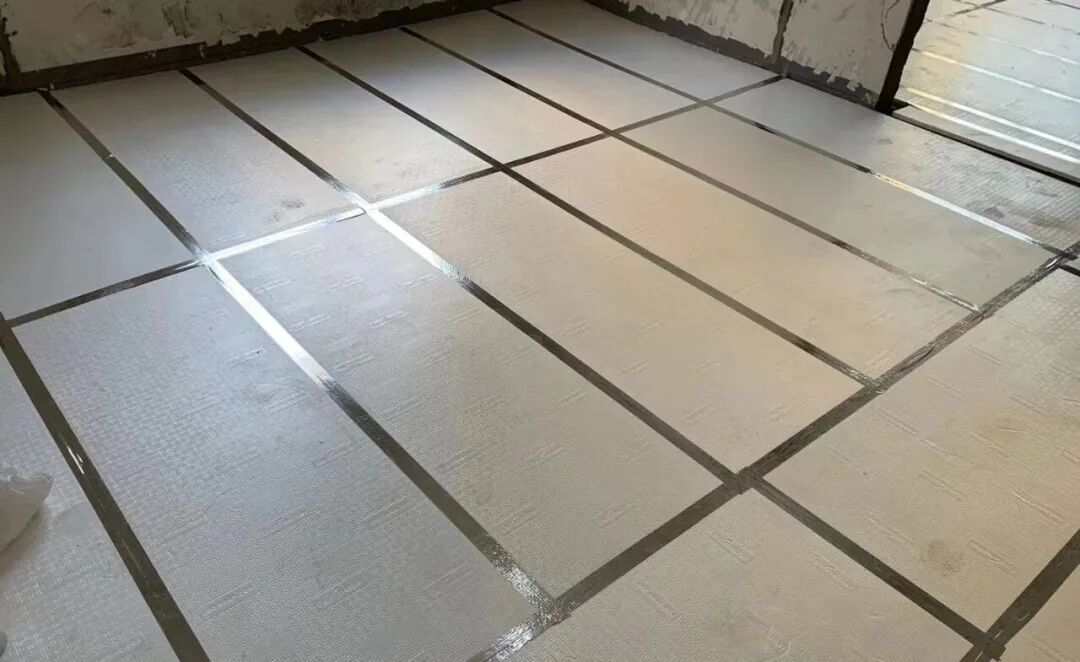
From delivery and storage to cutting and installation, insulation boards remain exposed at the construction site until the underfloor heating system is covered with screed.
Temporary electrical equipment, cutting and welding work, and even accidental sparks can all create potential fire hazards. That is why flame-retardant performance is an important consideration for underfloor heating insulation: it can help reduce the risk of rapid combustion and flame spread when the material encounters an accidental ignition source.
02 The New Standard Further Clarifies the Requirements: B2
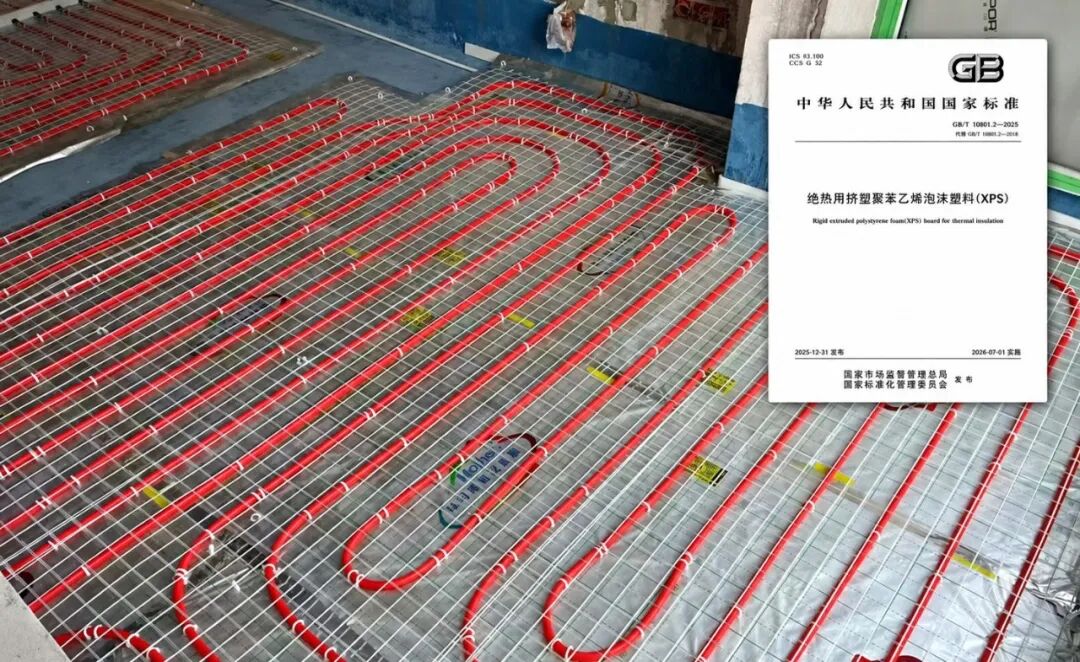
China’s updated GB/T 10801.2-2025, “Rigid Cellular Plastics for Thermal Insulation—Extruded Polystyrene (XPS)”, which came into effect this year, further clarifies the combustion performance requirements for XPS used in building insulation. Among the key requirements to understand is B2.
However, it is important to understand that flame retardant does not mean non-combustible.
XPS is an organic insulation material. Flame retardancy is intended to reduce the likelihood of ignition and slow the spread of flames—it does not turn the material into a non-combustible product.
For this reason, instead of testing an insulation board with a lighter at home, homeowners should rely on formal combustion-performance testing and certification when evaluating its fire performance.

03 What Is Often Overlooked: Material Sustainability
Why can some XPS boards achieve the required flame-retardant performance?
One important factor is the use of flame-retardant additives. Much like sunscreens can all carry an SPF 50 rating while using very different formulations, the specific flame-retardant technology used in an insulation material also matters.
In the past, HBCD was used as a flame retardant in materials such as XPS and EPS. Due to concerns including environmental persistence and bioaccumulation, its production and use have since been restricted, including in China.
This highlights an important point: meeting a fire-performance requirement is only one part of material safety. The composition and environmental profile of the material also deserve attention.
04 Renovation Is About the Long Term

For homeowners, the environmental performance of the manufacturing process may actually deserve just as much attention.
Once insulation is installed beneath the floor, it may remain there for decades without being replaced. Materials used in such long-term applications should therefore be selected with both performance and long-term stability in mind.
As a leading underfloor heating insulation brand, Earthmother looks beyond simply meeting flame-retardant requirements. We also pay attention to the environmental profile and long-term stability of the flame-retardant technology itself.
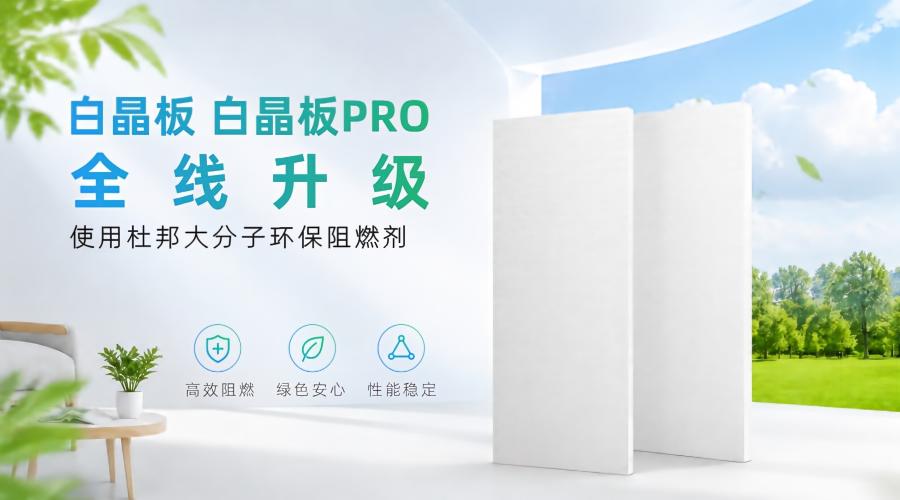
For example, as part of the product upgrades for our XPS Board and XPS Board PRO, Earthmother uses a DuPont polymeric environmentally conscious flame retardant. This technology is designed to meet the required flame-retardant performance while placing greater emphasis on material stability and environmental considerations throughout long-term use.
05 Final Thoughts
For most homeowners, there is no need to become a chemistry expert.
The key is simple: both fire performance and environmental performance matter.
For materials that will be installed beneath the floor and may remain there for decades, safety should not stop at the installation stage. Choosing a more stable and environmentally conscious material solution can provide an added layer of confidence for the long term.