What is dry underfloor heating really like? What to look for when choosing one?
Many underfloor heating users give preference to dry underfloor heating when remodelling an old house due to factors such as floor height and floor loading. In fact, dry underfloor heating is a good choice for both old and new homes.
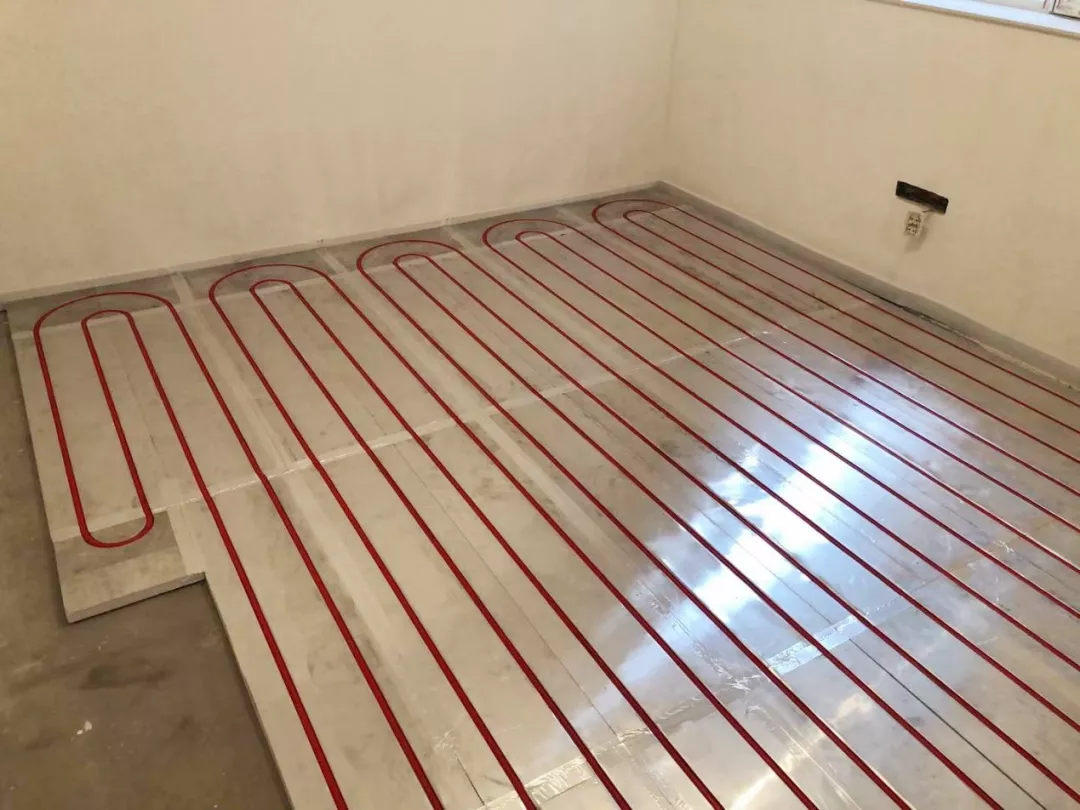
Dry underfloor heating relies heavily on the quality of the product. It can be said that the goodness of the dry underfloor heating module directly determines the effect of dry underfloor heating. Below we will tell you how to choose a reliable dry underfloor heating from the aspects of insulation layer, thickness of heat equalisation layer, and environmental protection of materials.
A. What is dry underfloor heating?
Within the warm pass industry, underfloor heating is defined as dry underfloor heating and wet underfloor heating, based on the presence or absence of a backfill layer.
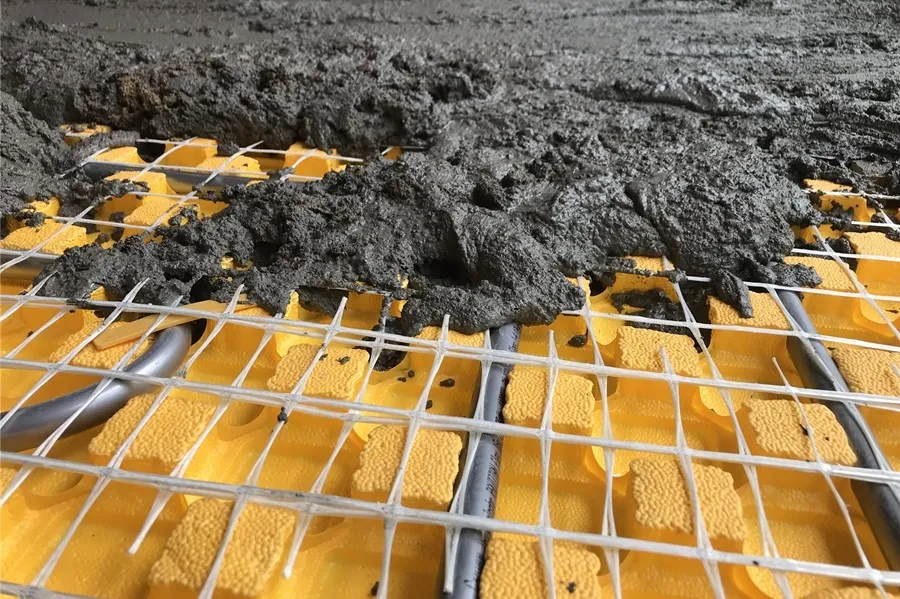
Wet underfloor heating
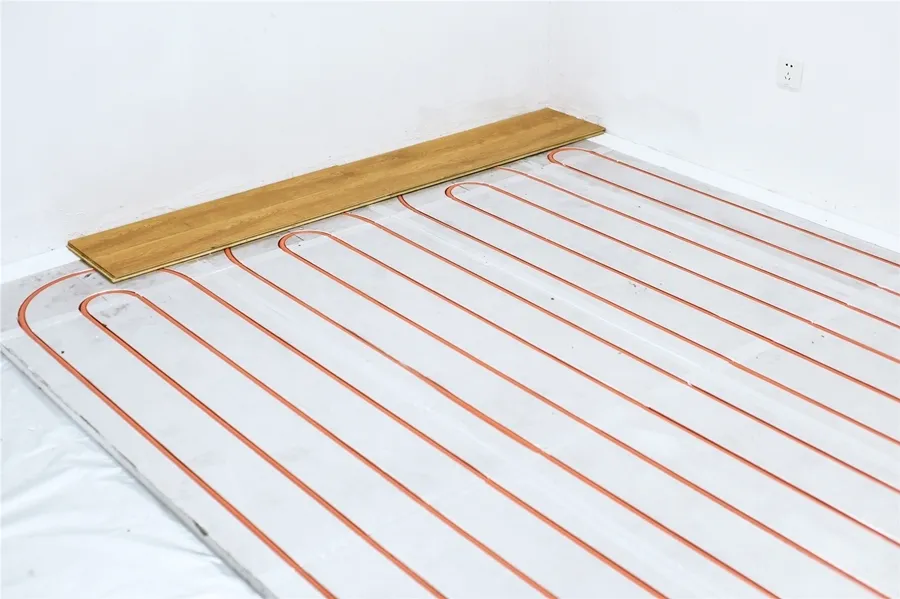
Dry underfloor heating
Where there is a concrete backfill layer, this is known as wet underfloor heating; where there is no concrete backfill layer and the floor is laid directly (or thinly tiled), this is known as dry underfloor heating.
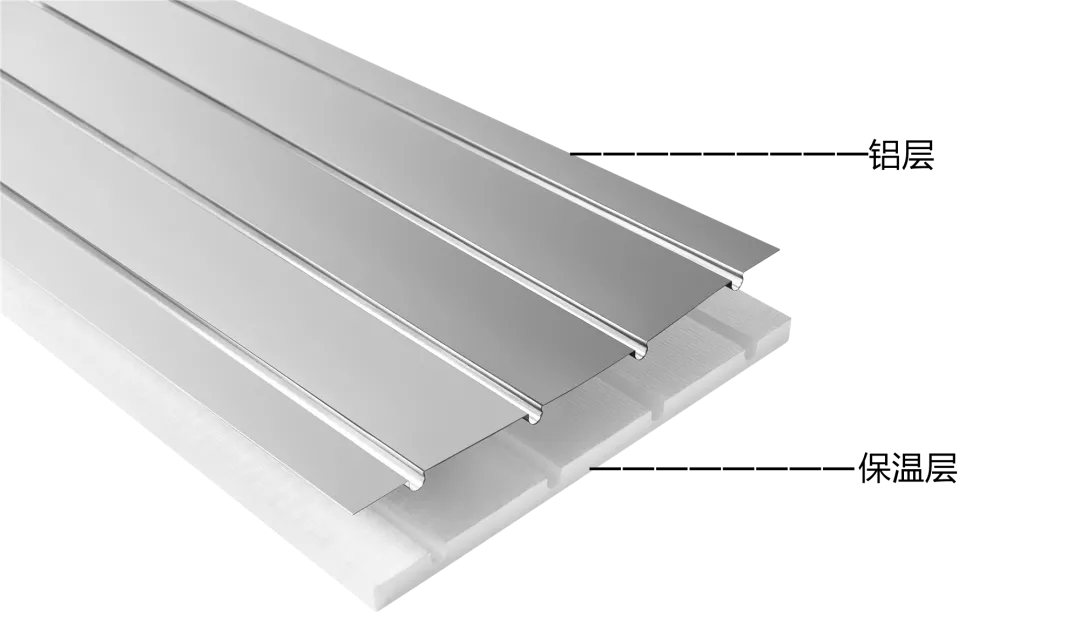
High quality dry underfloor heating modules - light aluminium panels
At the same time, dry underfloor heating generally use dry underfloor heating module for paving, the module by the thermal insulation and heat layer composite and prefabricated trench, without the need for on-site trenching, so it is generally also known as prefabricated trench dry module.
B. What are the advantages of dry underfloor heating?
①No need for backfill layer, saving 3-4cm of floor height compared to wet floor heating;
②The floor is laid directly above the underfloor heating pipes, which warms up faster and can be used immediately;
③Prefabricated trench fixed floor heating pipes, no need for nails, do not damage the insulation layer, good thermal insulation and uniform heat dissipation;
④ Short construction period, easy to install, and convenient maintenance later.
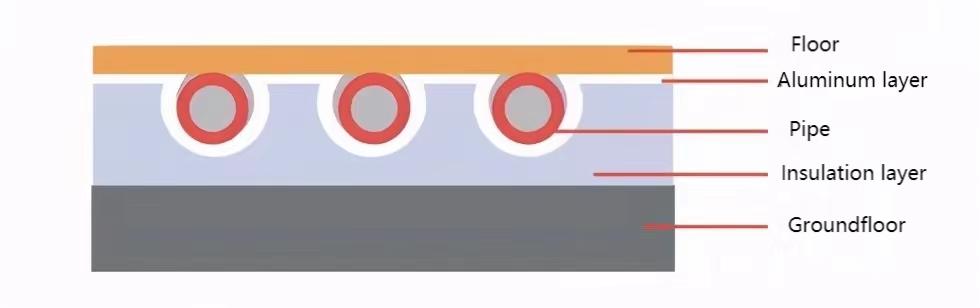
Dry underfloor heating structure diagram
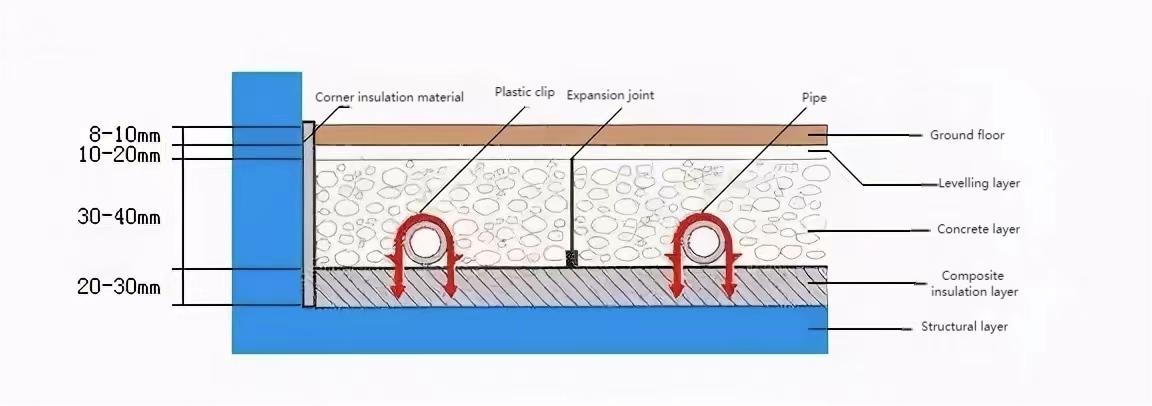
Wet underfloor heating structure diagram
The advantages of dry underfloor heating are obvious, but in the market research we found that there are still some homeowners reflecting the installation or use of problems. According to the actual case, we summarise the dry underfloor heating need to pay attention to several problems.
C. Dry underfloor heating may appear what problems?
As mentioned earlier, the quality of the dry underfloor heating module directly determines the underfloor heating results. Problems with dry underfloor heating are often caused by substandard quality of the dry underfloor heating module. Common substandard phenomena are:
① The insulation layer is not qualified:
Dry floor heating without backfill layer, the quality of the insulation layer is most important for its thermal insulation effect. If manufacturers use poor quality insulation or insufficient thickness of the product, a reduction in layer height, at the expense of the most basic energy-saving role of the insulation layer, floor heating energy consumption will remain high.
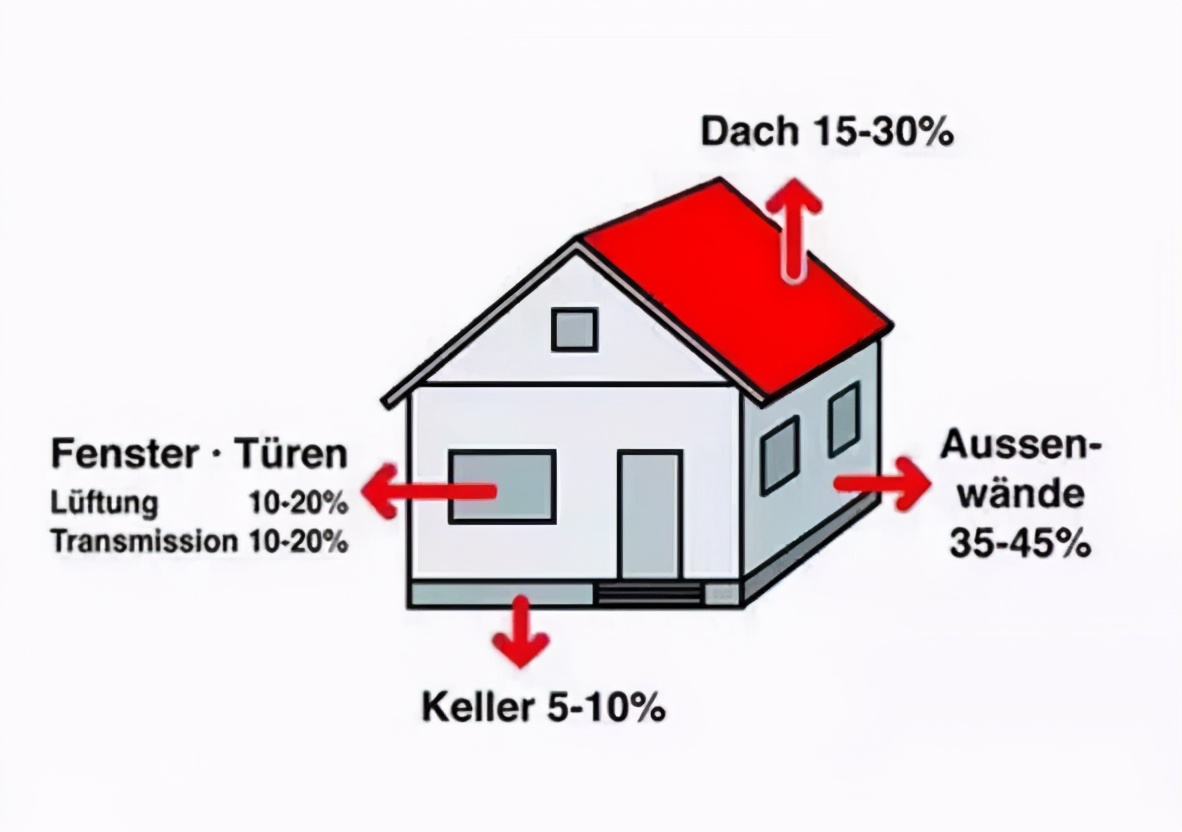
Ground insulation to stop the loss of heat from the floor heating
② Even heat layer does not meet the standard:
Industry standard "JGJ142-2012" in the provisions of the thermal conductivity should be used not less than 237W / (m - k) of the material (commonly aluminium plate) as a uniform heat layer, and the thickness should not be less than 0.2mm.
Aluminium sheet is used here as a heat-averaging layer to ensure rapid and uniform heat transfer from the ground. Different thicknesses of the heat-averaging layer have a great influence on the heat transfer.
As shown in the figure below, an aluminium plate with a thickness of 0.3mm has a significant effect in improving the heat dissipation and uniformity of the floor heating surface.
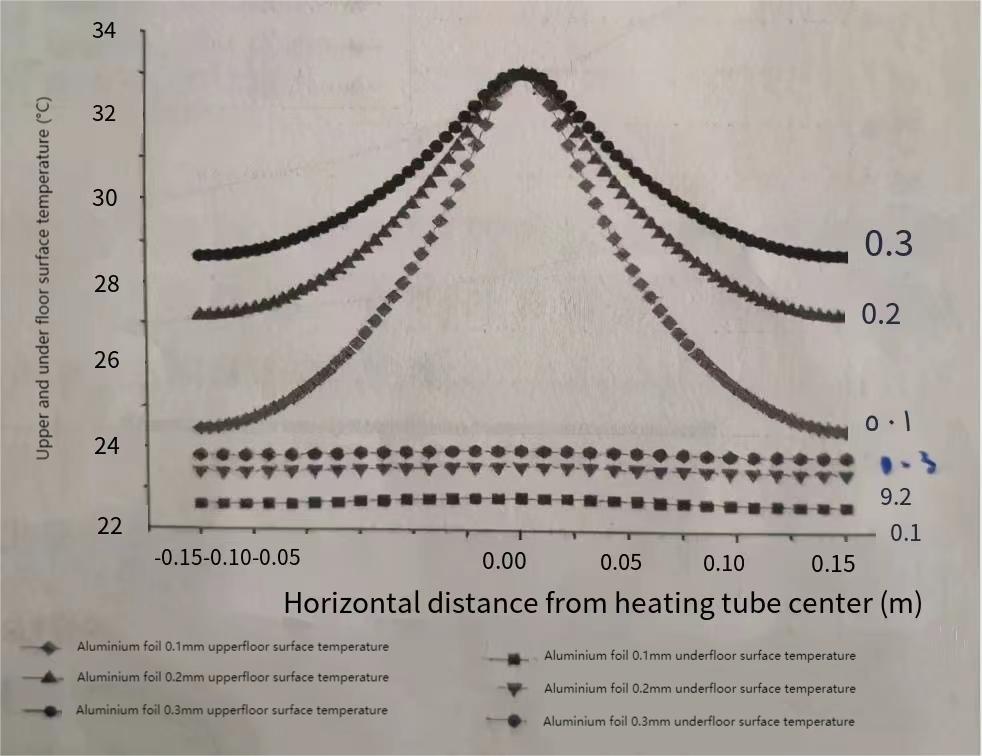
On the contrary, if you use poor quality, or insufficient thickness of aluminium plate, the effect of underfloor heating will be greatly reduced, in order to ensure the heating effect, it is recommended that the aluminium layer should reach 0.3mm.
③ Ground deformation and noise:
The first consideration of this problem is the insulation layer pressure resistance is not up to standard, late deformation and collapse caused;
Secondly, due to the insulation layer and even heat aluminium composite is not close, poor fit, resulting in treading noise;
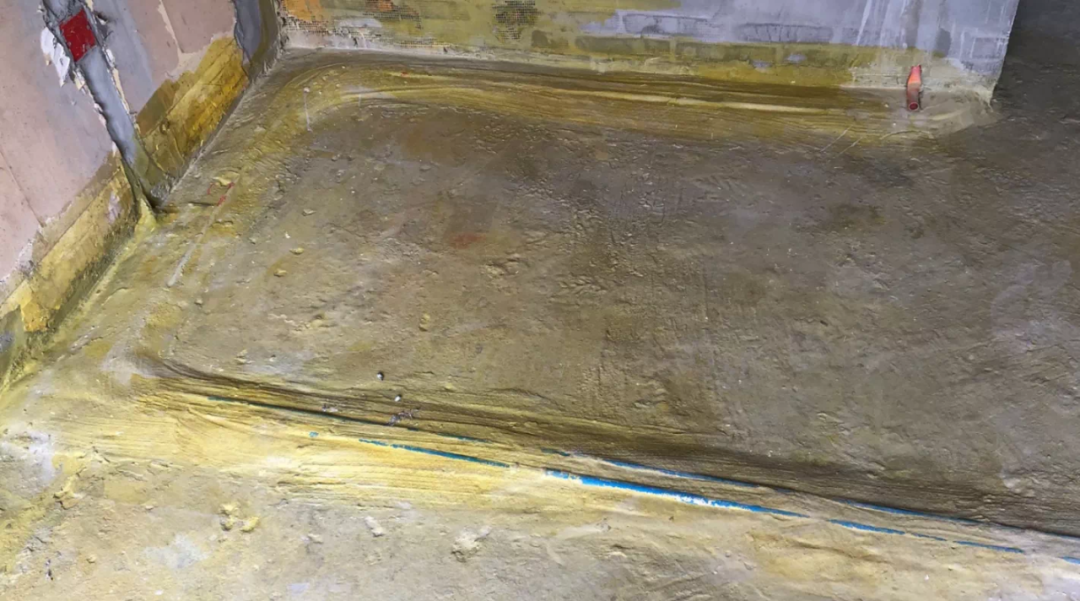
The floor is uneven and needs to be levelled before laying the dry underfloor heating module
Thirdly, the size of the tube groove is not standard, resulting in loose coils, and the flow of hot water is prone to resonance and water impact sound;
Fourth, the original ground level is not enough, in the absence of levelling the case of laying dry floor heating module caused by buckling, resulting in tread noise.
④ Environmental protection is not up to standard:
First of all, the environmental protection of the insulation layer, pay attention to identify the insulation layer of the material is brand new material or rubbish recycled material; Secondly, even heat aluminium layer and insulation layer composite must use environmentally friendly glue. Poor quality glue will continue to release a variety of harmful substances, hazardous to health.
D. Dry underfloor heating product selection skills
As long as we de-mined several problems that are prone to dry underfloor heating that we mentioned earlier, we can avoid the problems, choose quality materials and guarantee the effectiveness of dry underfloor heating. So be careful when choosing dry underfloor heating modules:
① Insulation layer to pass: insulation layer need to use 100% new material, the thickness must be enough standard 3cm, pressure recommendations to reach more than 300Kpa.
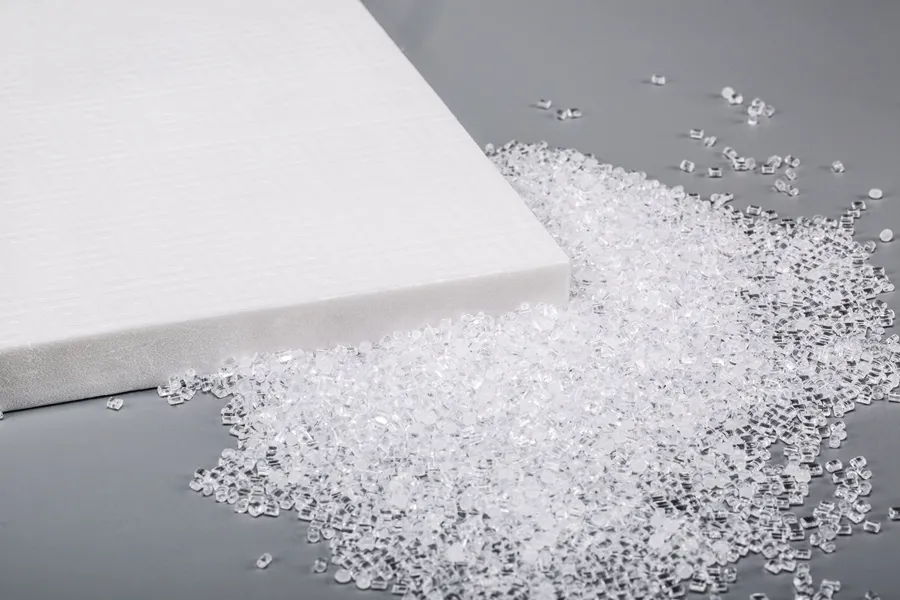
Lightweight aluminium panel insulation 100% new material
② Even heat aluminium layer to meet the standard: aluminium thickness is recommended to reach 0.3mm, aluminium surface should be flat, bright, no impurities.
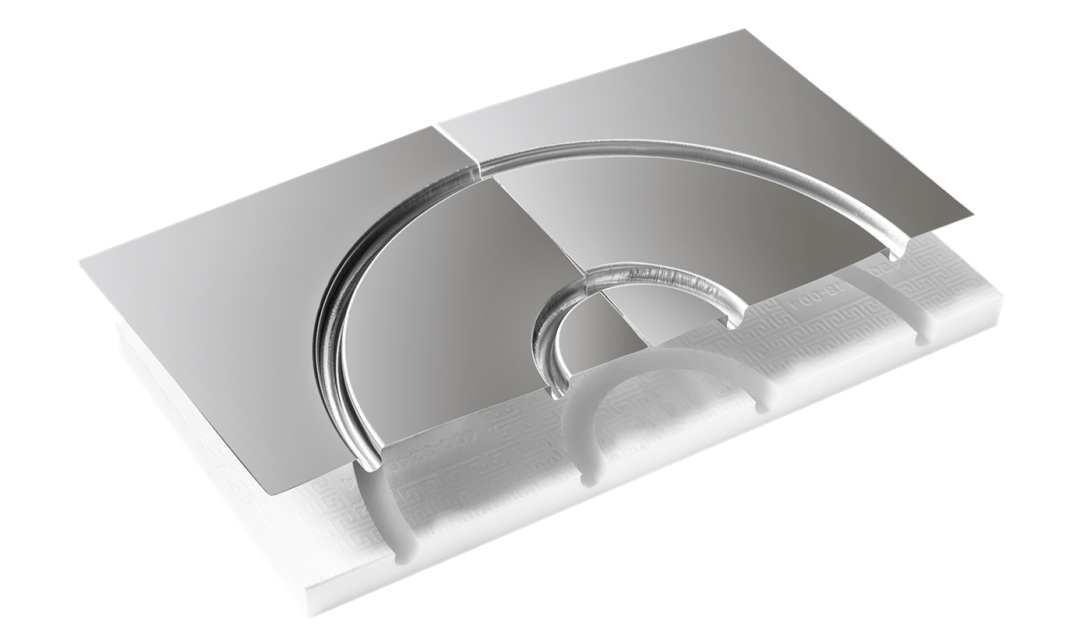
Thickness of glossy aluminium panels up to standard
③Reasonable groove design: suitable for floor heating pipe diameter groove type, groove size standard, and close fit with the pipe.
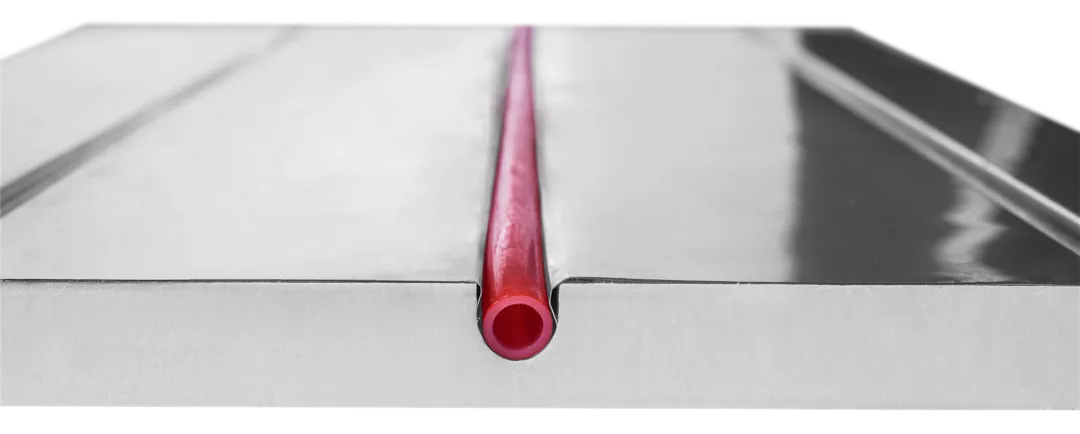
Lightweight aluminium plate tube grooves fit snugly into the underfloor heating pipes
④Environmentally friendly laminating process: the uniformly heated aluminium layer is tightly laminated with the thermal insulation layer, with no loose phenomenon of deglueing. The use of environmentally friendly glue, can be issued environmental protection test report.
Having said that how to choose dry underfloor heating, in the next article, we will take you to visit the homes of homeowners who have installed Earthmother's AIR-EZ300 light aluminium panel dry underfloor heating, see you in the next issue!