Underfloor heating splits the tiles in the heat?!
In winter, the floor heating was fine before the floor heating was turned on, but after half use, the floor was blackened and the floor tiles were cracked?
Every winter heating period, there are always users who ask about underfloor heating baking the floor and tiles. What is the reason for this? Is it really the problem of the underfloor heating? If it is not the cause of underfloor heating, then what is the cause?
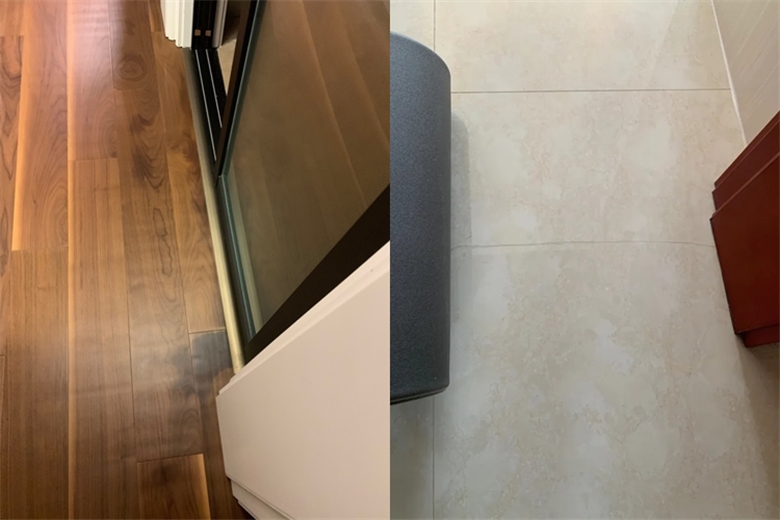
In fact, underfloor heating is not the main cause of damage to the decorative layer of the floor. It is precisely the details of the construction of the floor and the improper use of underfloor heating that are the real culprits behind the scenes.
Damage to the decorative floor layer can be effectively reduced by taking care to avoid the following situations.
01 Problems with the grade of the cement for the tiles
Many people in the decoration always think that the more expensive things are better, the fact is not so. Decoration is not worth every penny, but suitable is good. For example, tile tiling cement, generally recommended standard 325#(China) is good.
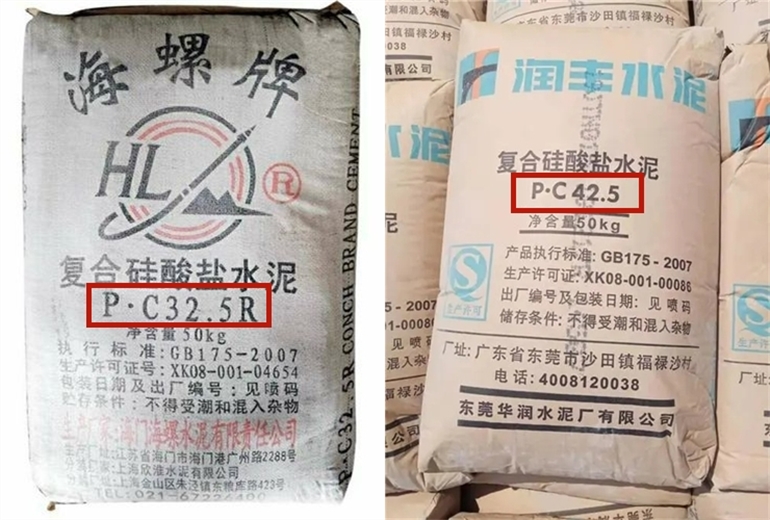
A higher cement grade means higher strength, and the cement has a shorter time to set and harden to strength, and is usually more expensive.
And the short time of condensation strength will increase the water content of cement. Once the ground at this time is heated too quickly, the water vapour inside the cement will evaporate quickly, which will easily lead to cracking and arching of the cement base, thus triggering the cracking of the floor tiles or the blackening of the floor.
02 No or insufficient joints in the tiles
General "seamless tiles" should be left in 1-1.5mm, but not less than 1mm, and ordinary tiles, generally between 3-5mm.
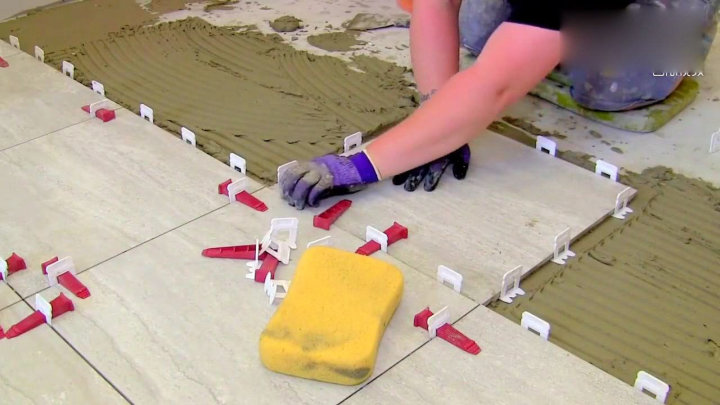
And some construction workers in order to save time when tiling, is not controlled to leave a gap. Once the tiles leave insufficient joints, heat expansion, the overall expansion of the large area of tiles, will lead to a huge extrusion pressure generated. This time your home floor tiles either directly cracked, skipped tiles, or arched.
03 The initial temperature of the underfloor heating is switched on too high
This is an issue that many homeowners tend to overlook. Even if your home uses tiles that are very breathable and the joints are left in place. But in the case of high moisture content, once the initial temperature of underfloor heating is too high, as usual, the tiles will be chipped or blackened wood flooring.
It is important to know that concrete floors and wood floors on the ground will have a moisture content. It is just like the humidity of the air. A rapid decrease in moisture content can lead to a series of problems. Therefore, the "evaporation of water" needs a gradual process.
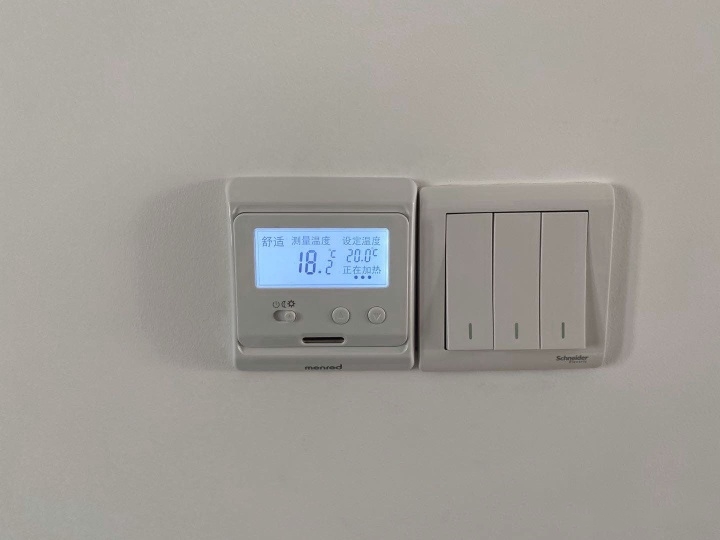
Especially for traditional wet underfloor heating, there is also a relatively thick layer of concrete backfill, and it is even more important to use low temperatures to gradually dry out the moisture when using underfloor heating for the first time.
When switching on, it is recommended that the temperature setting is just 5°C above the room temperature and the water temperature is set at 40°C. After 24 hours of continuous operation, the temperature setting can be increased by 5℃ and the water temperature by 5℃. After another 24 hours, the wall-hung boiler water temperature is set to 50 ℃, and the indoor temperature can be controlled to 20-22 ℃. So the switching on of wet underfloor heating is a 2-3 day process.
Do we need to do this for dry floor heating without a backfill layer?
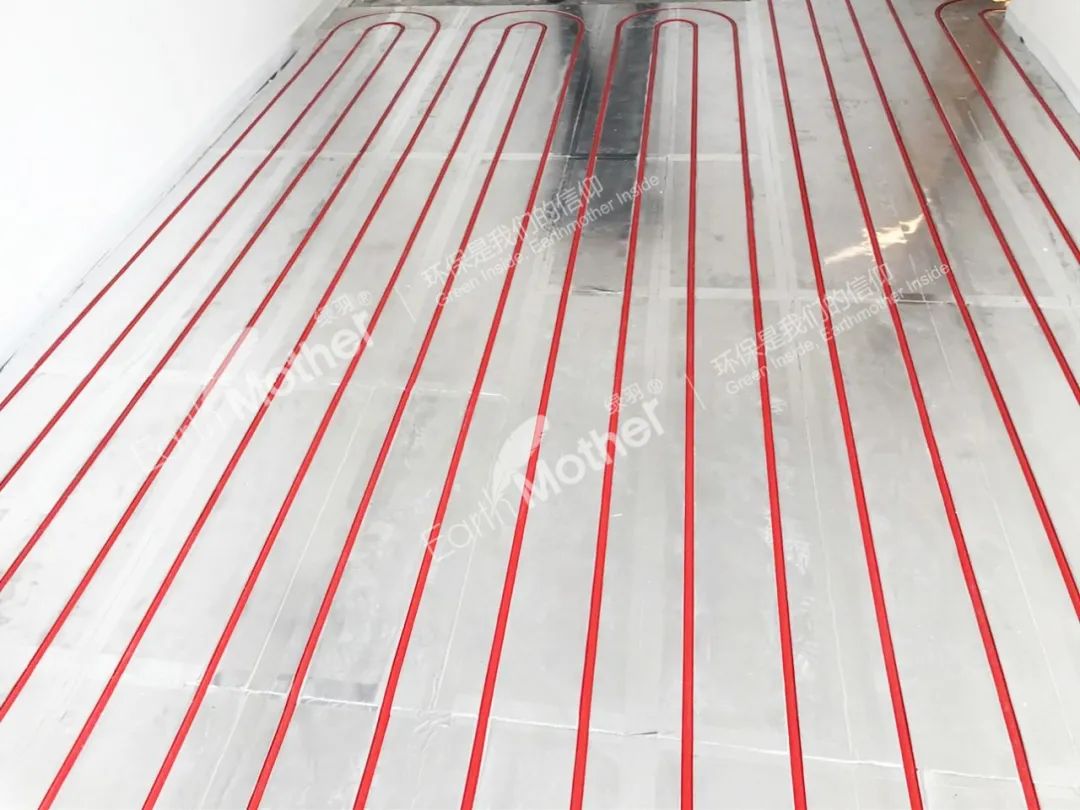
For dry underfloor heating, again it is recommended that you start at a low temperature and switch it on, taking 12 to 24 hours to warm up to the desired room temperature. Dry the floor or dry mix backfill to reduce the moisture content and it will be ready to use later.
The above is a summary of a few points to avoid the ground decorative layer "by the floor heating baked bad" method, is decorating or the first time the use of underfloor heating users can pay attention to the collection.