Global expertise meets industry and academia to advance the future of sustainable XPS insulation technology.
From Global Sustainability Expertise to China's Manufacturing Floor
Earthmother recently hosted a distinguished international delegation, including Mr. Igor C. Croiset, an internationally recognized expert in XPS foaming technology and technical advisor to global environmental initiatives, alongside a research team from Beijing Technology and Business University (BTBU).
More than a factory tour, the visit served as a collaborative platform where international expertise, academic research, and industrial innovation came together to discuss the future of sustainable insulation technology.
As a senior advisor to GIZ Proklima, Mr. Croiset has supported international initiatives promoting environmentally responsible XPS production and the transition to climate-friendly foaming technologies. His technical work on CO₂ foaming for XPS manufacturing has been referenced in internationally recognized industry publications and has contributed to advancing sustainable manufacturing practices worldwide.
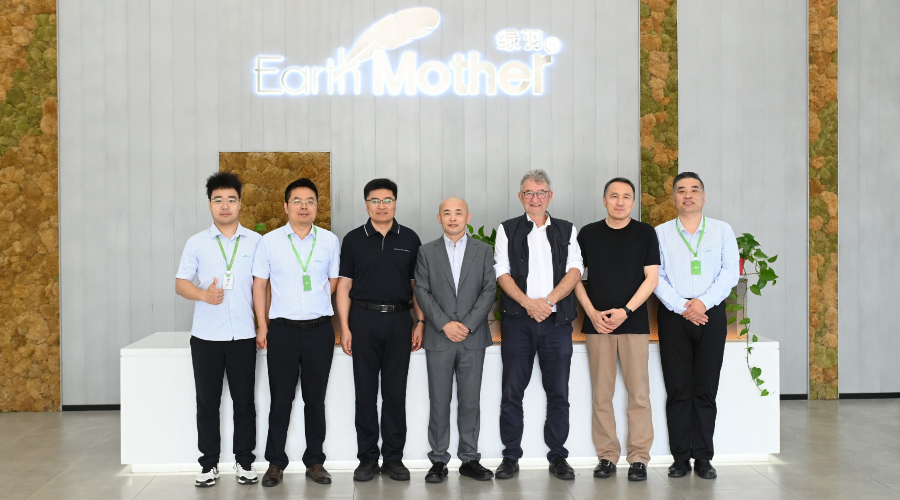
Meanwhile, the BTBU research team has maintained a long-term collaboration with Earthmother in polymer materials and building energy efficiency research, providing scientific support for product optimization, material formulation, and performance validation.
Together, the three parties explored not only product innovation, but also the future direction of the global insulation industry.
A Shared Commitment to Sustainable Innovation
The exchange began with an open discussion on Earthmother's development journey and long-term sustainability strategy.
Over nearly two decades, Earthmother has remained committed to environmentally responsible manufacturing and continuous technological innovation.
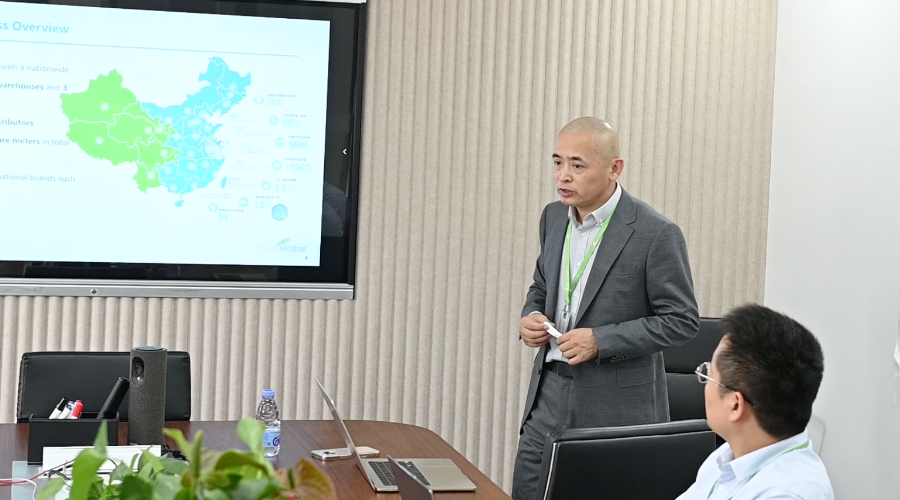
As one of the earliest Chinese insulation manufacturers to fully adopt CO₂ foaming technology, Earthmother invested in upgrading its production lines well before the industry's transition became mainstream, bypassing transitional foaming agents in favor of a long-term sustainable solution.
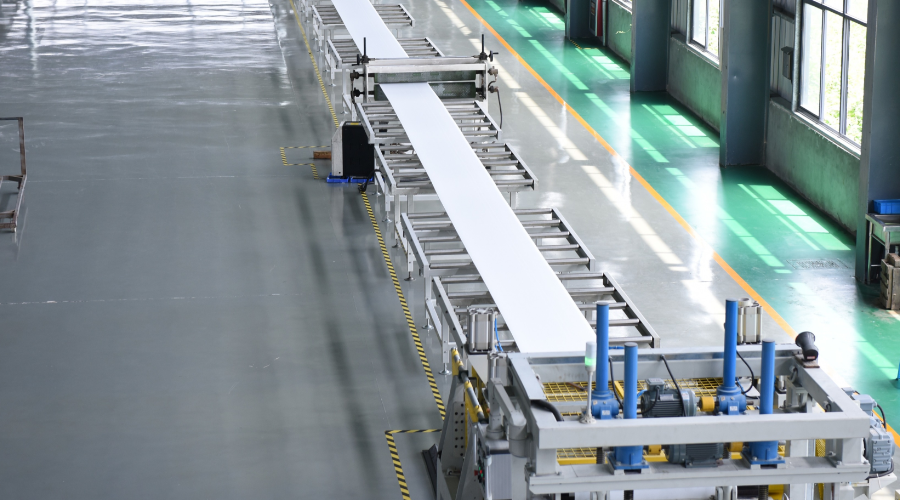
This strategic decision closely aligns with the global sustainability pathway that Mr. Croiset has promoted throughout his international career.
"The CO₂ foaming technology adopted by Earthmother is exactly the direction we encouraged through international environmental programs many years ago. Achieving high-performance CO₂ foaming requires advanced equipment, precise process control, and high-quality raw materials. It is impressive to see Earthmother maintaining this commitment over the long term."
Quality That Withstands the Closest Examination
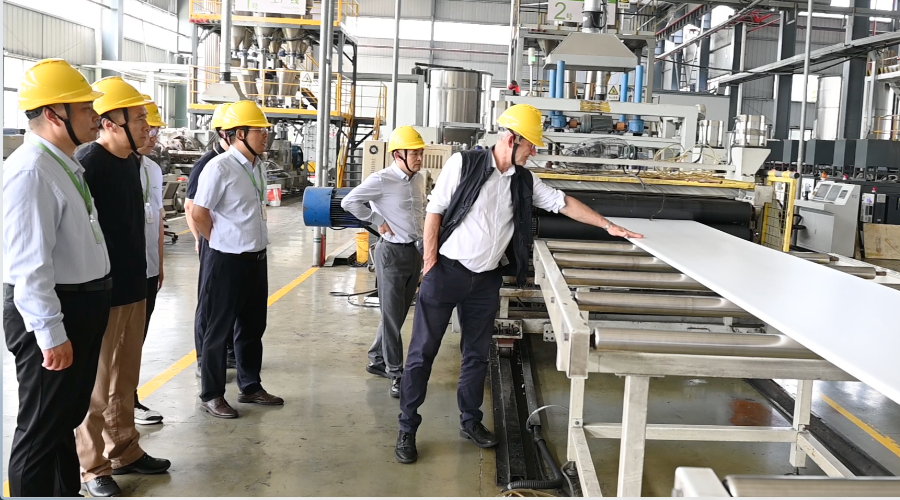
The production tour began with one of the most critical aspects of manufacturing—raw materials.
Earthmother's latest products are manufactured using 100% virgin raw materials, while its XPS Board is produced from premium crystal-grade virgin resin to ensure consistent product performance, long-term durability, and reliable quality.
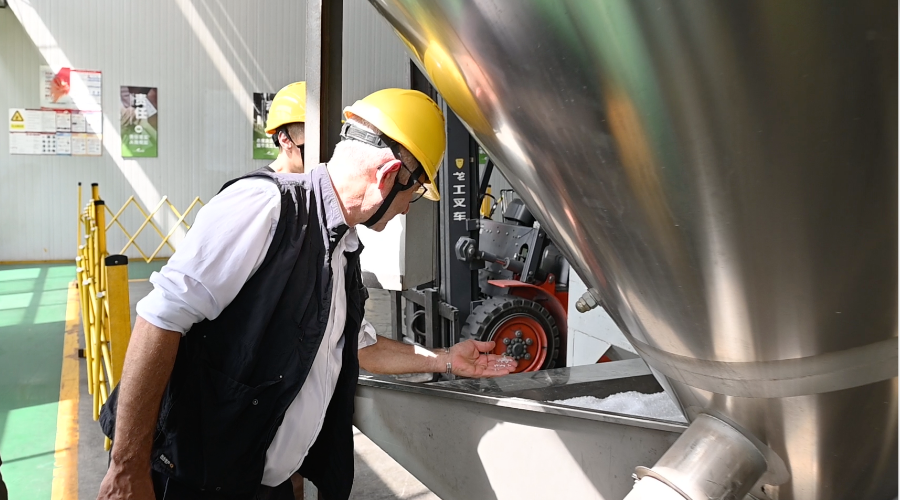
During the discussion, Mr. Croiset highlighted an important industry difference.
In Europe, recycled materials used in insulation products must comply with strict standards covering composition, performance, and safety before they are permitted in production. In comparison, standardized regulations for recycled content in the domestic XPS industry are still evolving, resulting in varying material quality across the market.
Earthmother's position has remained consistent.
Regardless of cost pressures, the company continues to manufacture its insulation products using 100% virgin raw materials, ensuring stable performance, product reliability, and long-term environmental responsibility.
The delegation was also impressed by Earthmother's commitment to manufacturing transparency. As the first insulation manufacturer in China to provide 24/7 live streaming of its production lines, Earthmother demonstrates confidence in both its manufacturing quality and sustainable production practices through complete operational transparency.
Driving Innovation Through Global Collaboration
The technical workshop that followed became the centerpiece of the visit.
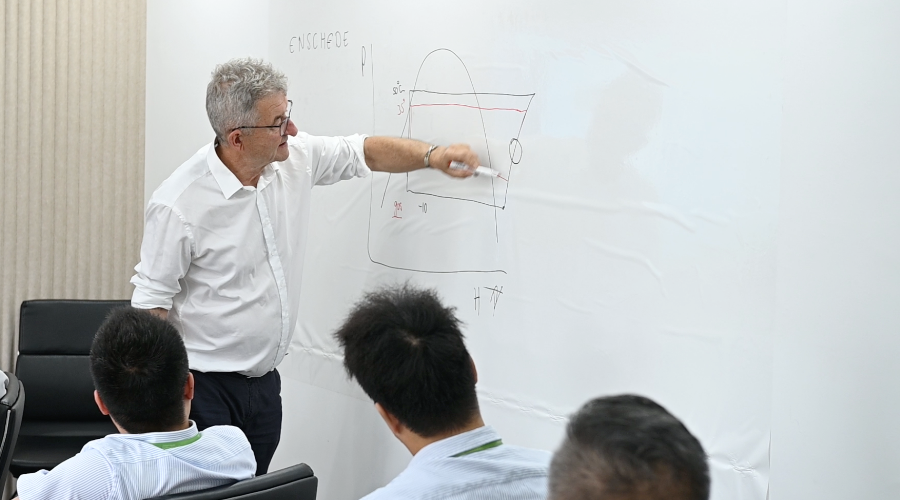
Mr. Croiset shared his extensive international experience in sustainable foaming technologies and commented:
"China has made remarkable progress in CO₂ foaming technology for XPS insulation. I look forward to deeper collaboration with Earthmother and Beijing Technology and Business University to help promote these sustainable technologies internationally and contribute to global climate goals."
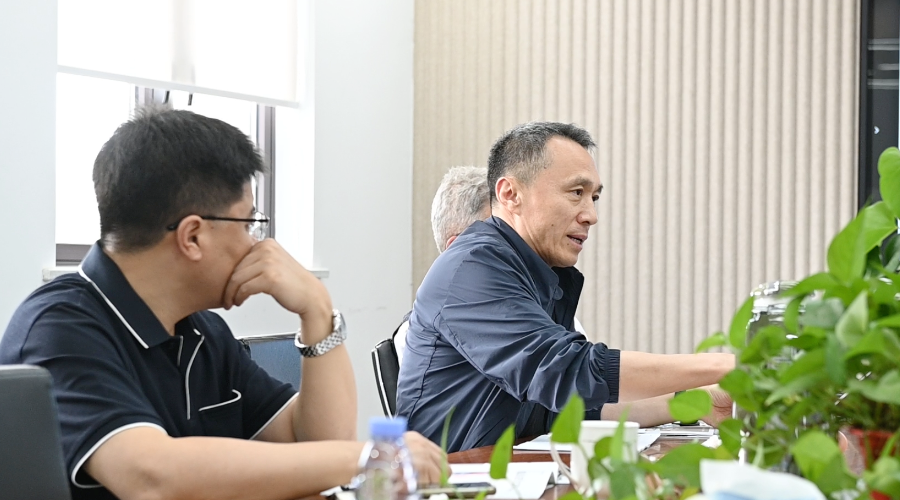
The BTBU research team presented insights into polymer microstructures and future material optimization, while Earthmother's R&D engineers contributed practical perspectives from real-world construction applications and market demands.
The discussions also covered the future development of high-performance XPS materials, including enhanced temperature resistance, next-generation formulations, and emerging material systems.
Turning Global Expertise into Better Products
Sustainability is at the heart of Earthmother's mission, while innovation continues to drive its future.
The visit by Mr. Igor C. Croiset and the ongoing partnership with Beijing Technology and Business University represent both valuable technical collaboration and recognition of Earthmother's long-term commitment to sustainable manufacturing.
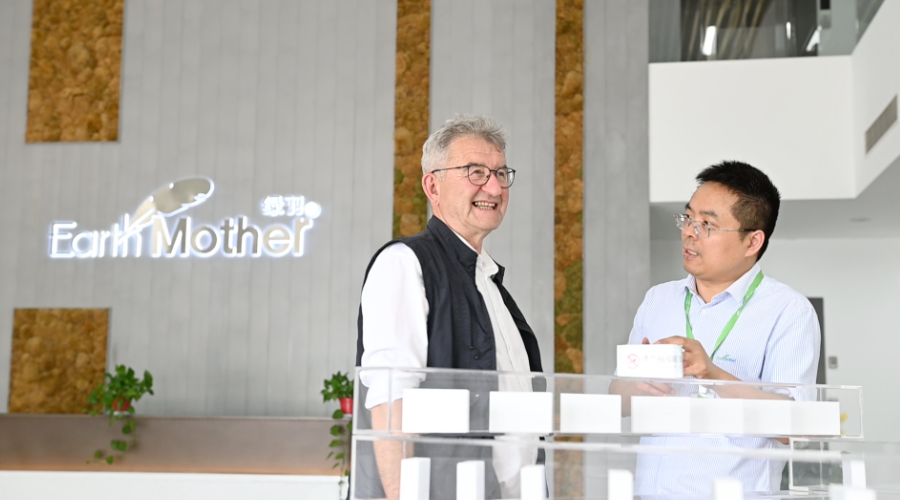
From pioneering CO₂ foaming technology in China, to opening its production lines through 24-hour live broadcasting, to consistently manufacturing with 100% virgin raw materials, Earthmother has spent nearly twenty years demonstrating that Chinese manufacturers can not only embrace global sustainability standards but also contribute meaningful technological innovation to the industry.
Looking ahead, Earthmother will continue expanding its international collaboration with universities, research institutions, and industry partners worldwide. By integrating advanced technologies into product development and manufacturing, the company remains committed to delivering insulation solutions that are more energy-efficient, environmentally responsible, and durable—creating healthier, more comfortable, and more sustainable buildings for the future.