Tips for Using Underfloor Heating in Winter
It's another year of heating season, there are already a lot of friends who are consulting about turning on the underfloor heating, for this reason, we share the "Tips for Using Underfloor Heating in Winter" in advance, and hope that it can be a little bit helpful to you.
I Check the underfloor heating
①Check the interface
There are quite a lot of interfaces in the connection of various components of the floor heating system, which may be deformed or loose due to aging or other factors, and the phenomenon of running and leaking occurs, especially:
- Interface underneath the wall-hung boiler
- Interface between the manifold and the underfloor heating pipes
These two points usually have a relatively high probability of water leakage, and it is recommended that they be focused on to avoid damages caused by water leakage.
②Check the water pressure
Underfloor heating normal working water pressure is in 1.5 to 2 kilograms, but underfloor heating is not an absolutely airtight space, underfloor heating after a long time, the amount of water may appear to be slowly reduced, resulting in a reduction in water pressure, which affects the heating effect.
If the water pressure is lower than 1.5 kilograms, you can open the make-up valve according to the wall-hung boiler manual or consult the HVAC company to make up the water pressure to 1.5~2 kilograms.
Note that if the water pressure value shows 0, then there may be a leak in the underfloor heating, so please contact your HVAC company to have it serviced.
II Temperature Setting
When you first start to use floor heating, it is recommended not to set the water temperature of the wall-hung boiler too high at once, otherwise the sudden large temperature change may have some impact on the floor heating components and even the wooden furniture at home. Especially the first time you use it, you can refer to the practice in the "Radiant Heating and Cooling Technical Regulations", and the operation can be appropriately simplified when you use it afterwards.
During initial heating, the change of water temperature should be gentle. Thewater supply temperature ofthe heating system should be controlled at about 10°Cnigher than the indoor air temperature, and should not be higher than 32 C, andshould run continuously for 48h; After that, the water temperature is increased by 3°Cevery 24h until the design water supply temperature is reached, and the temperatureis maintained for not less than 24h; Under the design water supply temperature, theheating pipes connected with each group of water distributor and water collectorshould be adjusted step by step until the design requirements are met.
Radiant Heating and Cooling Technical Regulations
Note that conventional wall-hung boilers are recommended to have a long-term water supply temperature of not less than 60°C due to the presence of condensation corrosion.
The Design Code for Heating, Ventilation and Air Conditioning (HVAC) suggests that the main rooms of civil buildings should be set at a temperature of 16℃-24℃, and we can set different temperatures according to the functional requirements of different rooms. It is generally recommended that the bedroom and living room set the temperature 18-20 ℃, guest dining room and other common activities in the area of 20-22 ℃, the specific can be adjusted according to the actual situation.
III Ventilation treatment
Many users will have the habit of opening the window to ventilate, after the floor heating will also let the window to leave a slit to ventilate, in fact, this will accelerate the loss of indoor heat to the outside world, the floor heating energy consumption is very big impact.
In our industry, we call the act of opening windows with underfloor heating on "throwing money out the window".
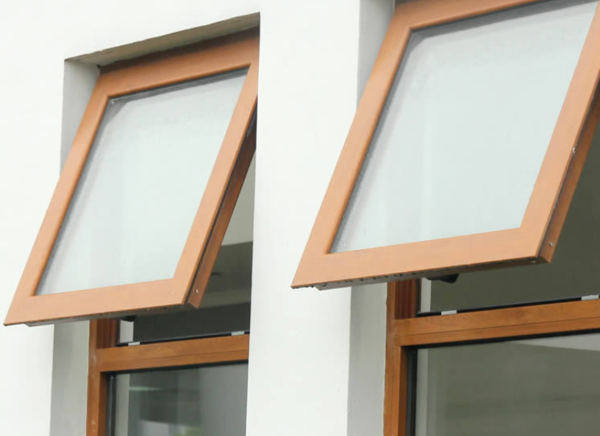
The best way to install a fresh air system with heat exchange, in order to meet the needs of normal people for fresh air without adding extra energy to the underfloor heating.
If you don't have fresh air installed, then you can focus on opening windows and ventilating for half an hour with natural convection at midday in the winter when the temperature difference between indoors and outdoors is small.
IV Short-term departure
If you are using traditional wet underfloor heating, then if the family is away for a short period of time, you can turn the temperature down rather than switching off the underfloor heating straight away. If the vacancy is for over a week, consider turning off the underfloor heating.
If you are using dry underfloor heating, which warms up quickly due to the lack of a backfill layer, then the underfloor heating can be switched off as you go, reducing your energy consumption without having too much of an impact on your next experience.
In addition, if the underfloor heating is not turned on in the winter, you need to keep the wall heater energized with water, gas, and electricity, so that it can automatically prevent freezing, so as to avoid the water in the underfloor heating from freezing.
These are the problems that people often encounter when they first start using underfloor heating, if you still have questions you can just leave a comment or private message.