What Really Causes Tile Damage — and How to Prevent It
Many homeowners are surprised to find that shortly after turning on their underfloor heating, floor tiles begin to crack or even lift.
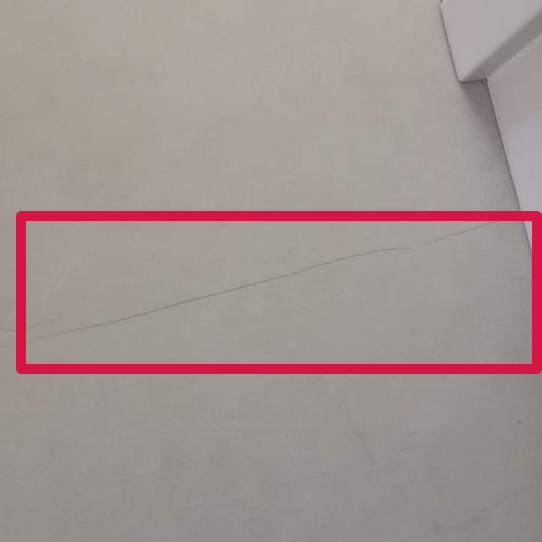
In fact, underfloor heating does not directly cause tiles to crack.
The real problems are usually hidden during construction and only become visible when heating activates thermal expansion and internal stress.
Today, thin-bed tile installation systems are widely used to reduce floor height. While efficient, they place higher demands on subfloor flatness and installation accuracy. Any construction defect may increase the risk of cracking once heating starts.
Below are the most common causes of tile cracking in wet-type underfloor heating systems with thin-set tile installation, along with recommended prevention methods.
1. Uneven Original Floor Surface
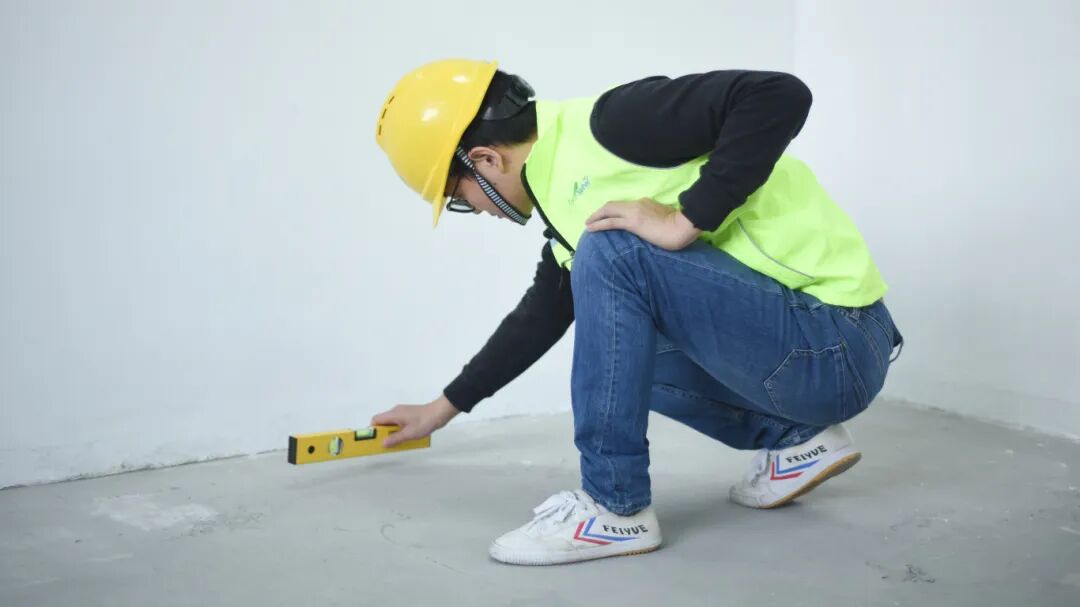
If the original floor is uneven and not properly leveled before pipe installation, the backfill layer will have uneven thickness.
Thin areas are more vulnerable to cracking under heat, and the stress is transferred to the tiles above.
Prevention:
Before construction, check floor flatness. If the height difference exceeds 10 mm, rough leveling is required to ensure uniform backfill thickness.
2. Improper Backfill Materials
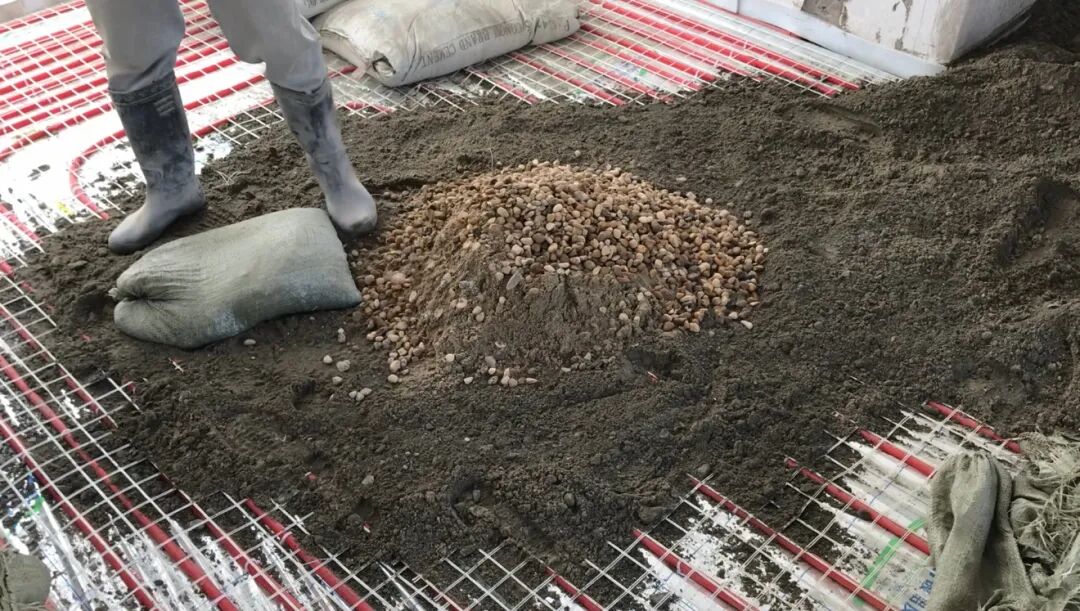
Using fine sand as aggregate reduces the structural strength of the backfill layer, making it unstable and more likely to crack under load and temperature changes.
Prevention:
Fine sand is not recommended. Aggregate type and mix ratio should be selected by qualified contractors based on project conditions.
3. Backfill Layer Too Thin
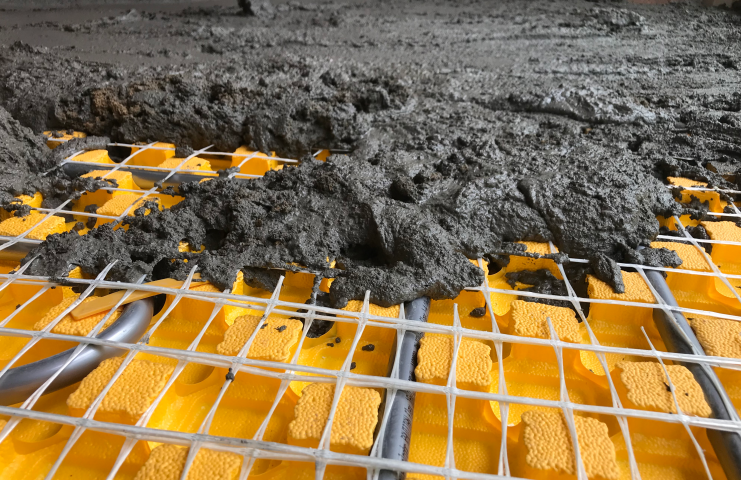
If the thickness above heating pipes is less than 20 mm, thermal expansion and contraction may cause movement in the backfill layer, pulling the tiles and leading to cracking.
Prevention:
Recommended thickness:
- Total backfill layer: ≥ 40 mm
- Thickness above pipes: ≥ 20 mm
This also improves heat storage and system stability.
4. Insufficient Curing Time
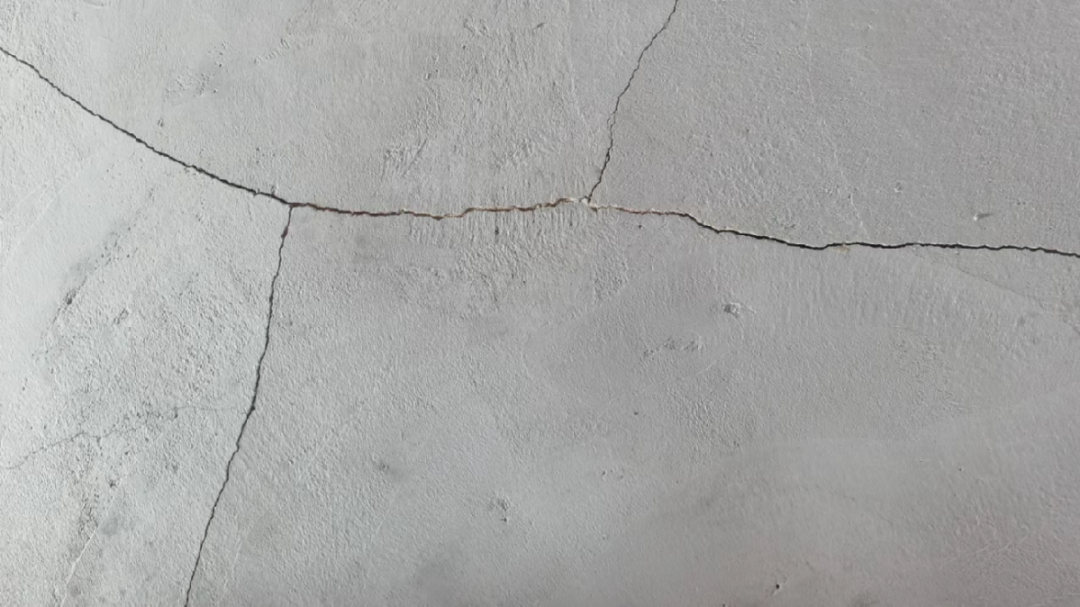
If tiles are installed before the backfill layer fully cures and releases internal stress, later movement may crack the tiles.
Prevention:
Allow sufficient curing time:
- Cement mortar: at least 7 days
- Pea gravel concrete: at least 21 days Maintain moisture during curing.
5. Missing Expansion Joints
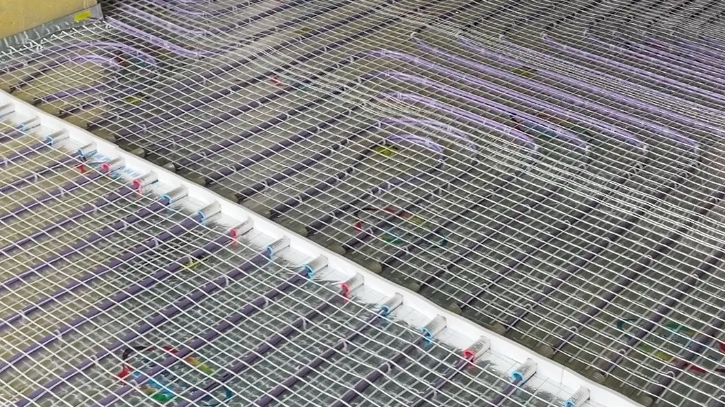
Large floor areas require expansion joints to absorb thermal movement. Without them, stress accumulates and eventually causes cracking in both the subfloor and tiles.
Prevention:
Install expansion joints when:
- Floor area exceeds 30 m², or
- Length exceeds 6 meters
This requirement is specified in JC/T 60006-2020 – Technical Specification for Thin-bed Tile Installation, Section 4.2.
Why Do Cracks Often Appear Above Expansion Joints?
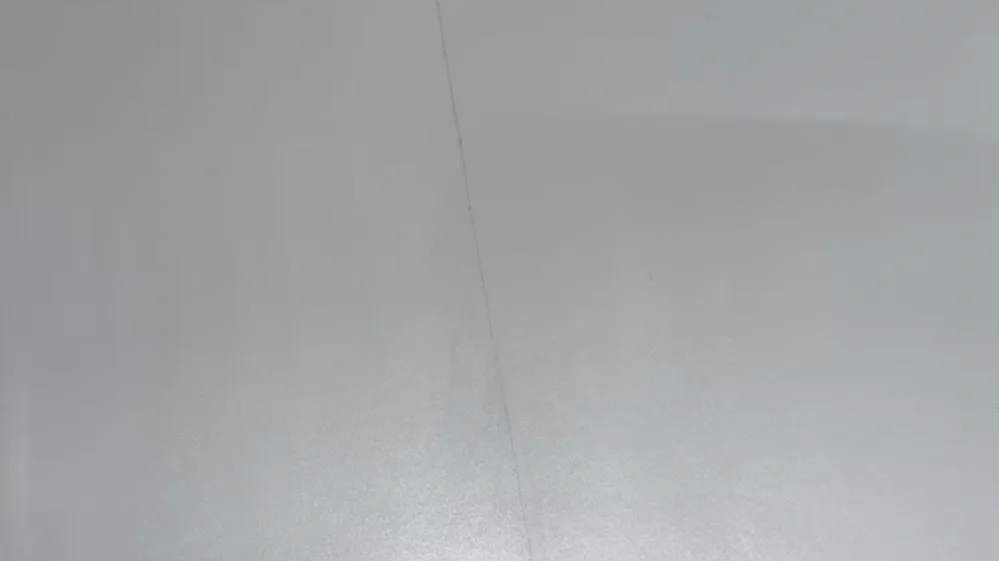
Some inspections show cracks directly above expansion joints, leading to the misunderstanding that joints cause cracking.
In reality:
- Expansion joints are essential for stress relief and are standard construction practice.
- Without them, cracks would still occur — but in random and often more severe locations.
- The best practice is to align tile grout lines with expansion joints, directing movement into the joints and making repairs easier.
6. Heating Up Too Quickly During First Use
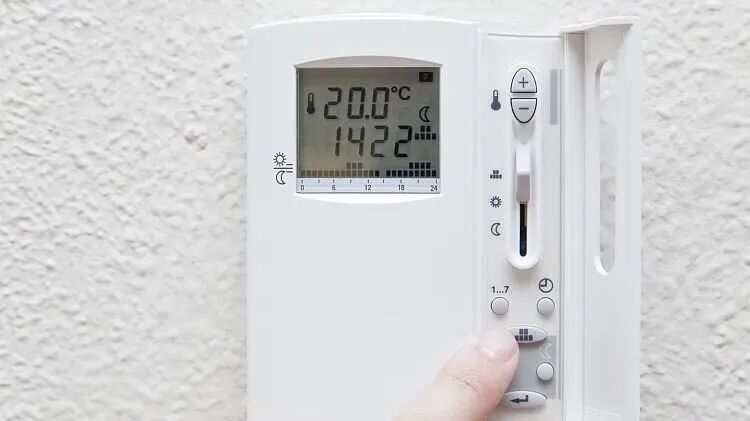
Rapid temperature increase during the first heating cycle can cause sudden thermal expansion, leading to tile lifting or cracking.
Prevention:
After tile installation, wait until the floor is fully dry (usually at least 7 days) before starting the heating system.
Follow a gradual heating process:
- Day 1–2: Water temperature 25–30°C, room temperature 18–20°C
- From Day 3: Increase water temperature by 3–5°C per day
- Recommended maximum water temperature: ≤ 50°C
Tile Cracking Is a System-Level Issue
Tile cracking is not caused by a single mistake, but by the combined effect of design, materials, construction quality, and system operation.
With proper system design, standardized construction, and correct commissioning, tile cracking can be effectively prevented — saving time, money, and future maintenance costs.
Investing in proper installation today means avoiding expensive repairs tomorrow.