Preparing Your Home for Extreme Temperature Swings, Cold Snaps and Damp Conditions
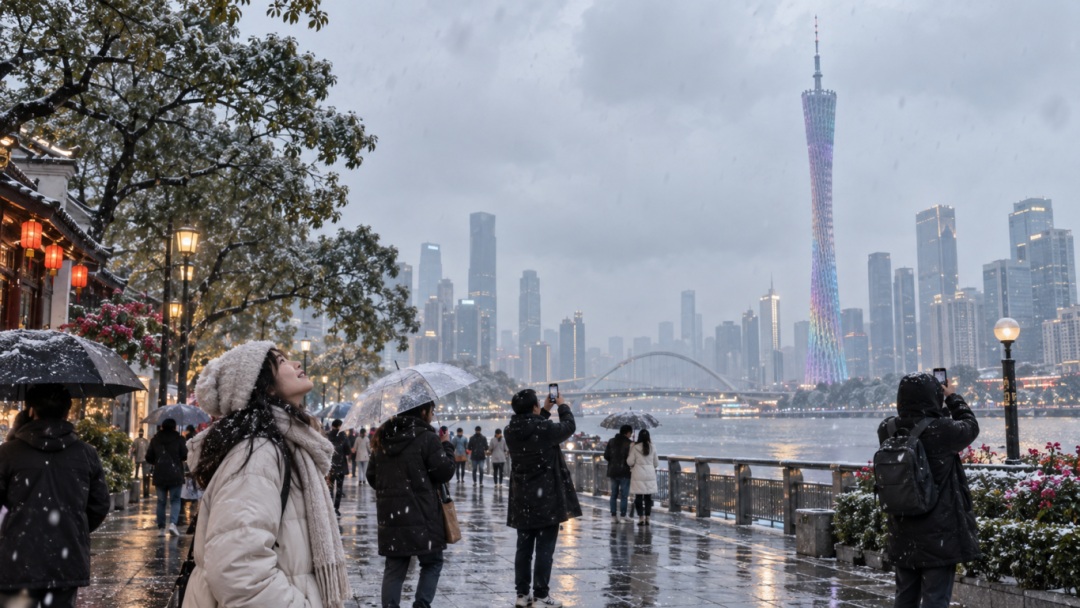
In 2016, an unusually severe cold wave swept across southern China. Guangzhou experienced its first recorded snowfall since the founding of the People's Republic of China.
That winter coincided with a strong El Niño event.
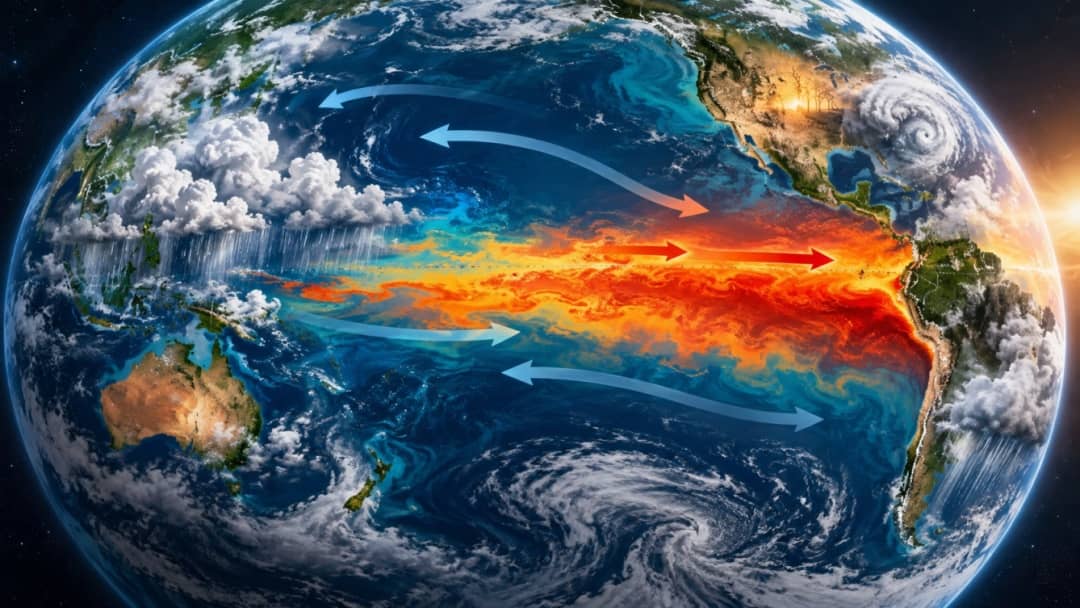
Now, another potentially exceptional El Niño event is attracting widespread media attention. According to China's National Climate Center, sea surface temperatures across the central and eastern equatorial Pacific are continuing to rise, raising the possibility of an event that could approach or surpass historical records.


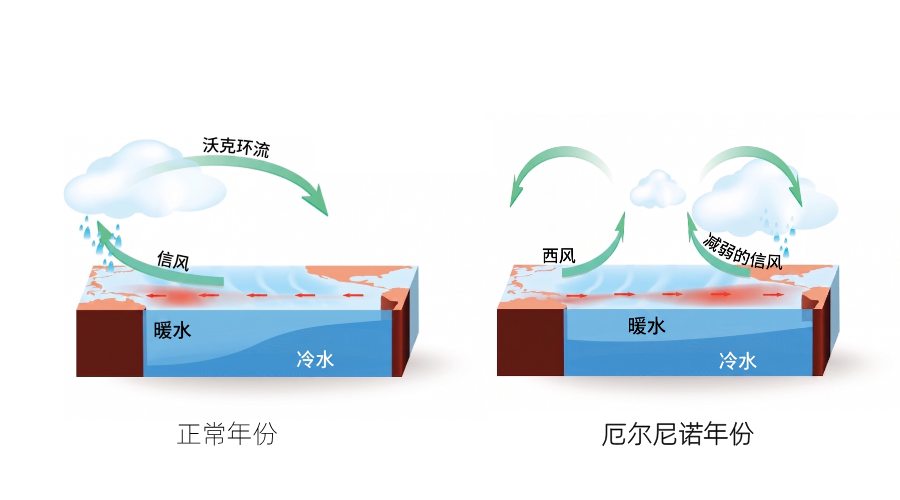
Naturally, many people are wondering what this El Niño event could mean for the months ahead. In simple terms, El Niño influences global atmospheric circulation, shifting temperature and precipitation patterns across different regions. Some areas may experience prolonged drought, while others face an increased risk of heavy rainfall and flooding.
For households preparing for winter, one question stands out: what kind of winter can we expect this year?
An Unpredictable Winter: Cold or Warm?
When people hear El Niño, they often assume it means warmer weather. However, preliminary outlooks for the 2026–2027 winter season from China's meteorological authorities have highlighted several potential concerns:
- Greater temperature variability: More pronounced fluctuations between warm and cold conditions.
- Potentially more frequent cold waves: A need to prepare for sudden, sharp temperature drops.
- Periods of increased precipitation: A heightened need to watch for episodes of cold rain, snow and ice.
In other words, this winter may not be simply warm or cold. Instead, temperatures could fluctuate significantly, shifting rapidly from mild conditions to intense cold spells. Parts of southern China may also experience prolonged periods of cold, damp and rainy weather.
These potential temperature swings, combined with periods of rain, snow or ice, could make winter comfort and moisture management more challenging. Older adults, young children and people with underlying heart or respiratory conditions may need to take particular care during sudden cold spells.
Extreme Weather Can Expose the Weak Points in Your Home
When a cold air mass arrives unexpectedly, homes with inadequate insulation can lose heat quickly. Even with the heating turned up, warmth continues to escape through poorly insulated building elements.
The result? Uneven indoor temperatures, reduced heating efficiency and rising electricity or gas bills.
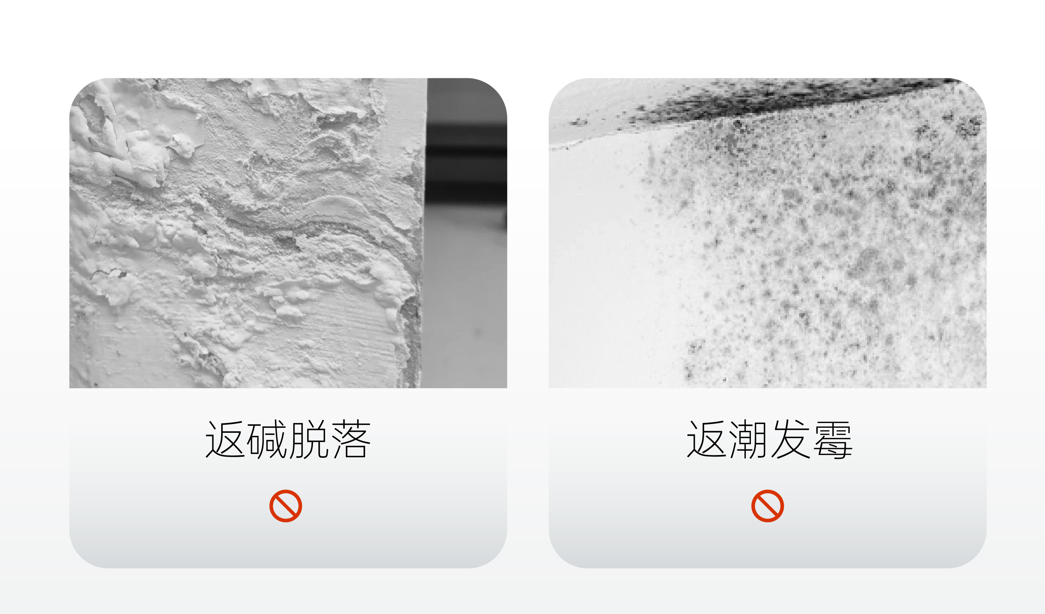
The challenge becomes even greater when cold temperatures meet high humidity. Large temperature differences between indoors and outdoors can contribute to condensation on windows, recurring mould in corners and moisture buildup behind cabinets.
These problems may appear to be caused by damp weather alone. In reality, inadequate insulation, thermal bridges and insufficient moisture-control measures can all contribute to the problem.
This highlights an important principle: lasting indoor comfort depends on more than the heating system itself. The insulation, thermal performance and moisture-management capabilities of the building envelope play an equally important role.
Build Climate Resilience into Your Home
When the weather turns unpredictable, the traditional response is reactive: put on another layer, turn up the air conditioning or increase the heating. But lasting comfort starts with making the home itself more resilient.
A well-insulated home helps moderate indoor temperature fluctuations, supporting a more comfortable living environment even when outdoor conditions change dramatically.
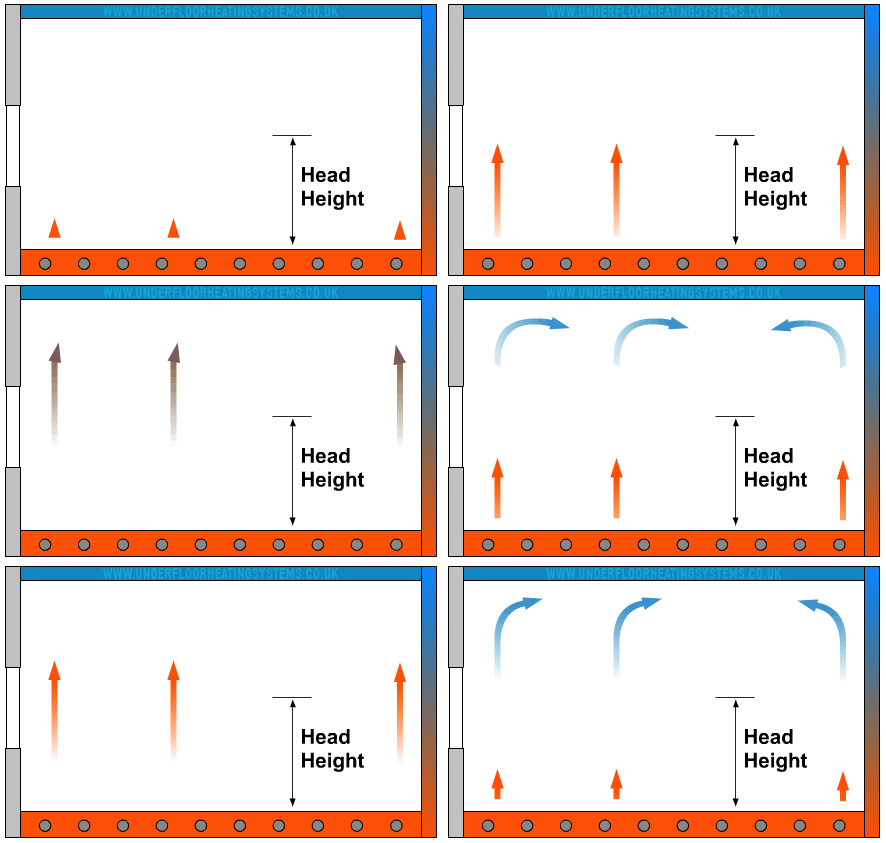
Much of this resilience comes from the details hidden beneath floors and behind walls. As a specialist in underfloor heating insulation expanding into whole-home energy efficiency, Earthmother develops integrated material solutions tailored to the thermal insulation and moisture-control needs of different areas of the home.
Earthmother XPS Board | Underfloor Heating Insulation
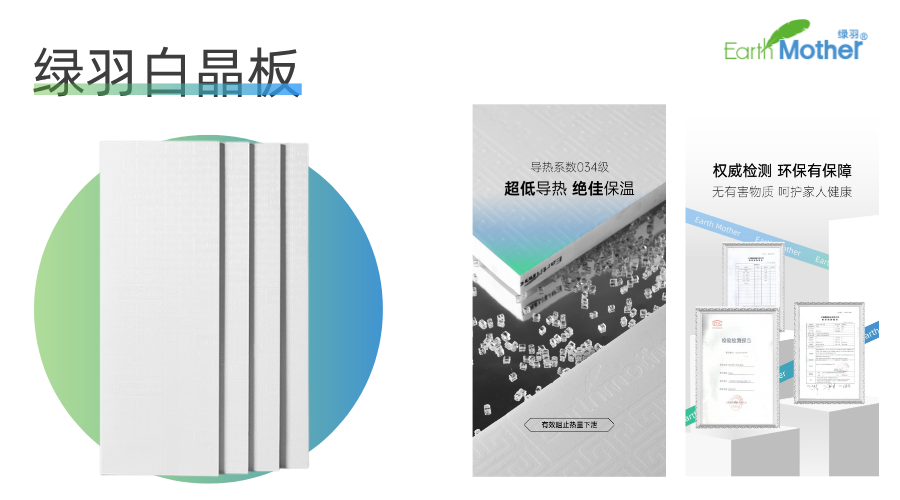
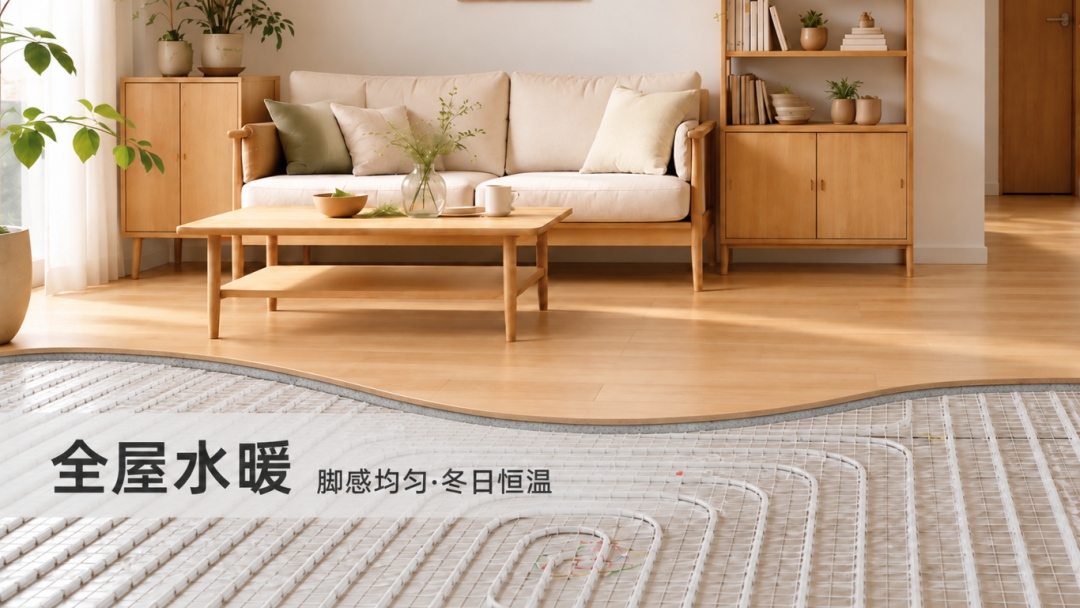
Designed for underfloor heating systems, Earthmother XPS Board helps reduce downward heat loss and improve the efficiency of heat delivery to the living space. By limiting unnecessary heat transfer into the floor structure, it supports more responsive heating and more efficient energy use.
Earthmother Yi Nuan Board | Interior Insulation for Dry Areas
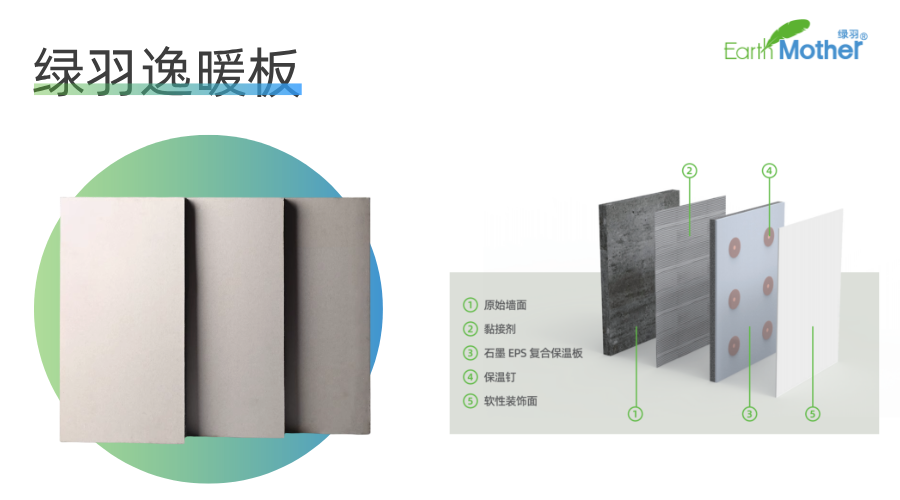
Designed for interior wall insulation in dry areas, Earthmother Yi Nuan Board helps improve wall thermal performance and raise interior surface temperatures. This can reduce the sensation of cold walls and contribute to a more comfortable indoor environment.
Earthmother Yi Jing Board | Interior Insulation for Wet Areas
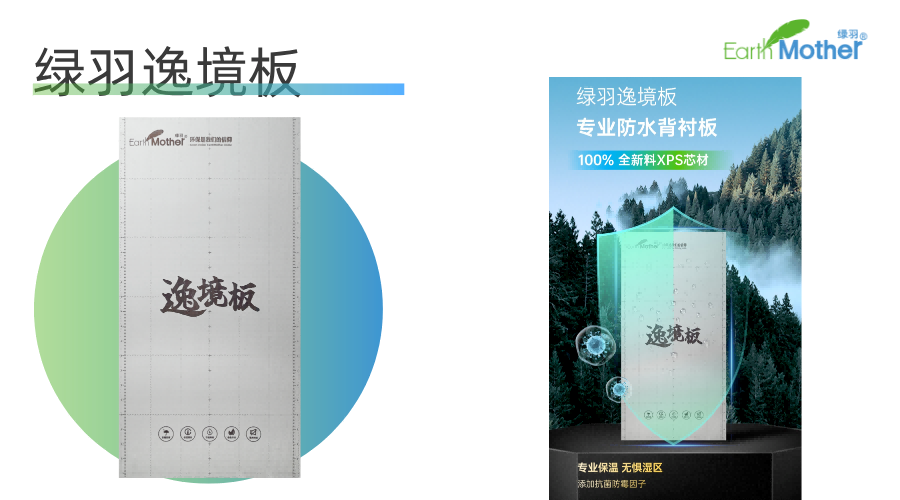
Featuring a robust five-layer composite structure, Earthmother Yi Jing Board is designed for moisture-prone spaces such as bathrooms and basements. By combining thermal insulation with moisture-control considerations, it helps address conditions that can contribute to condensation and mould when installed as part of a properly designed and executed system.
Comfort That Lasts Beyond the Weather Forecast
For homeowners planning a renovation or upgrading an older property, the details concealed within walls and floors deserve as much attention as visible finishes and heating equipment.
A well-designed home should do more than feel comfortable on an ordinary day. It should also maintain a more stable indoor environment as outdoor conditions change, helping manage energy use and moisture-related challenges throughout the year.
From underfloor heating insulation to whole-home energy efficiency, Earthmother is committed to helping families create living spaces that are more comfortable, energy-efficient and resilient through every season.
Note: The original article makes forward-looking claims about the 2026–2027 winter and a potentially record-breaking El Niño event. These claims should be verified against the latest official climate outlook before publication. The English version preserves the article's intended message without presenting these projections as confirmed outcomes.