As extreme heat intensifies, energy-efficient building envelopes are becoming essential for a cooler, more resilient future.
Summer is still weeks away — but the planet is already heating up.
Since April, average temperatures across China have climbed significantly above seasonal norms, marking one of the warmest springs on record. Behind these alarming numbers lies not only the long-term impact of global warming, but also a potentially powerful short-term climate trigger.
Climate monitoring agencies, including NOAA and China's National Climate Center, are closely tracking developments deep in the Pacific Ocean. Signs point to a rapidly developing El Niño event that could rank among the strongest in over 140 years.
What Is El Niño?
El Niño, Spanish for “The Little Boy” or “Christ Child,” was first named by South American fishermen who observed unusually warm Pacific waters appearing around Christmas.
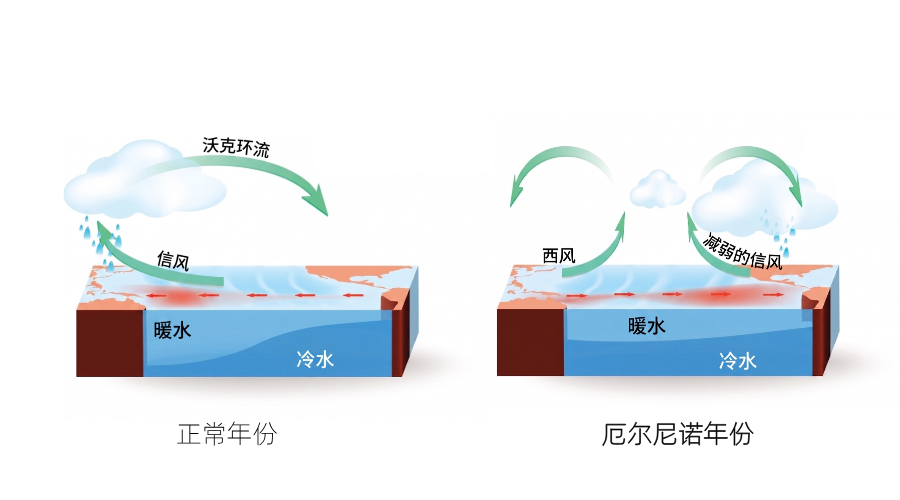
In scientific terms, El Niño is a large-scale ocean–atmosphere interaction that reshapes global weather patterns.
Under normal conditions, trade winds push warm surface waters westward across the Pacific. When these winds weaken, the balance shifts. Warm water spreads eastward, atmospheric circulation changes, and climate patterns around the world are disrupted.
The consequences can be dramatic: droughts where rainfall is expected, floods where conditions are typically dry, and summers that become increasingly difficult to endure.
History has seen its impact before. The powerful 1997–1998 El Niño brought severe drought across Asia, devastating floods in the Americas, and prolonged wildfires in Indonesia. The 2015–2016 event triggered widespread coral bleaching, agricultural disruption, and new global temperature records.
Now, another major El Niño may be unfolding — on a planet that is already more than 1.2°C warmer than pre-industrial levels.
How Do We Adapt to a Hotter World?
The answer may not lie solely in stronger air conditioning systems — but in better buildings.
In summer, heat enters indoor spaces primarily through external walls, roofs, windows, and floors. Under intense sunlight, buildings absorb heat continuously and transfer it indoors. In poorly insulated structures, walls store heat throughout the day and continue releasing it long after sunset, forcing cooling systems to work harder through the night.
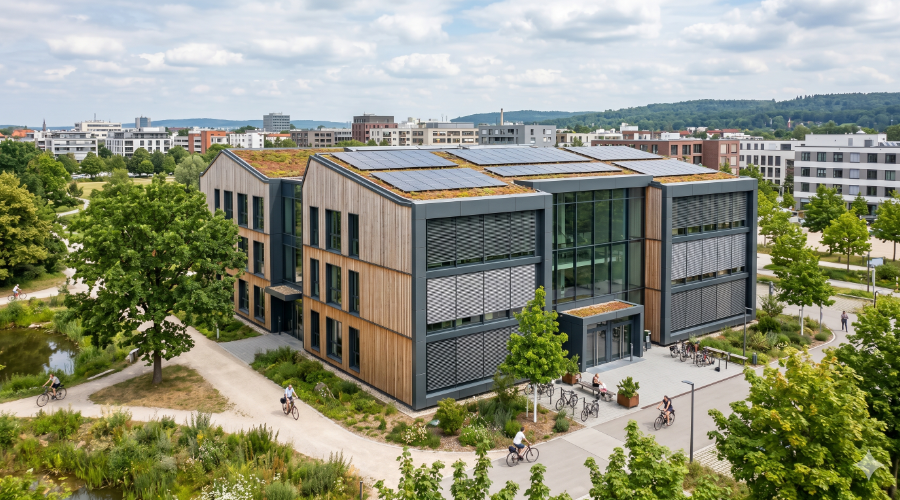
By contrast, buildings with high-performance envelope systems can significantly improve indoor comfort while reducing cooling energy consumption by more than 30% compared with conventional buildings.
Many regions in Europe and Japan have implemented advanced building energy standards for decades. Yet a large portion of existing buildings in China still struggle with inefficient thermal performance.
This is exactly where Earthmother has focused its expertise: creating building energy-saving envelope systems better suited to modern living and local climate needs.
① Earthmother Building Insulation Panels — External Wall & Roof Insulation
Create a thermal shield around the building to block heat at its source.
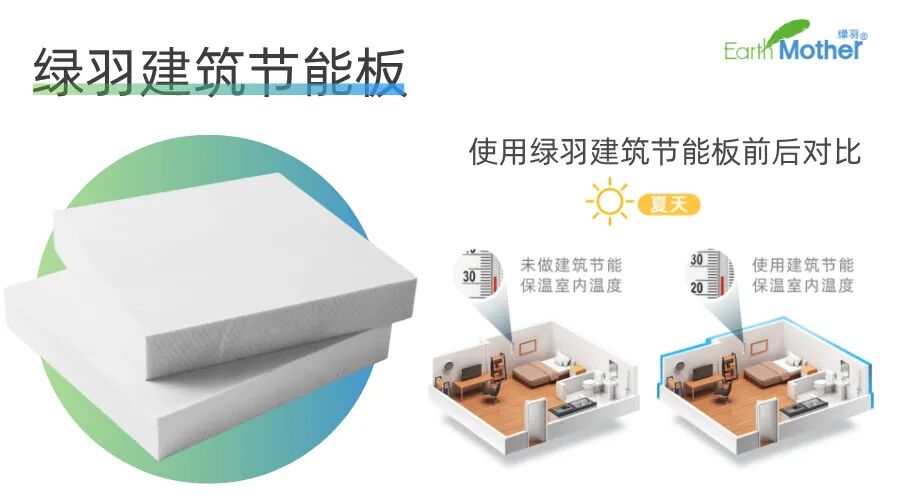
② Earthmother Yinuan Board — Interior Wall Insulation
Designed for renovation projects, delivering convenient installation and enhanced indoor comfort.
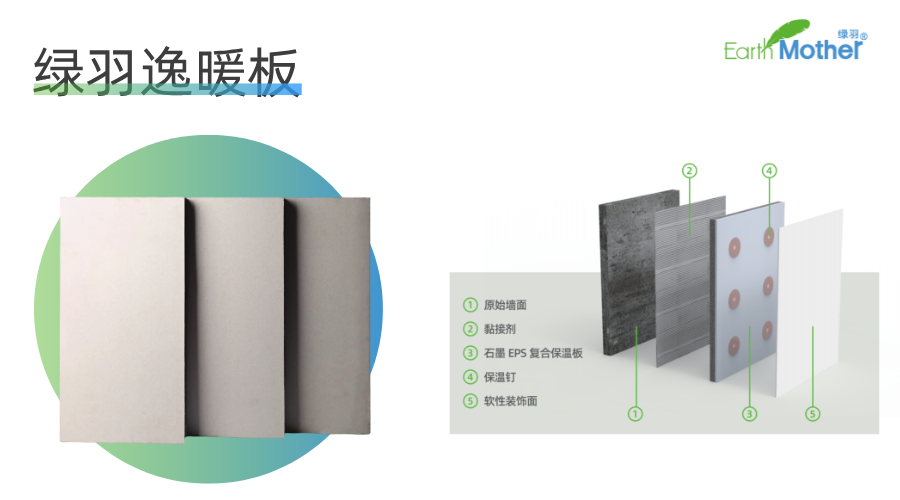
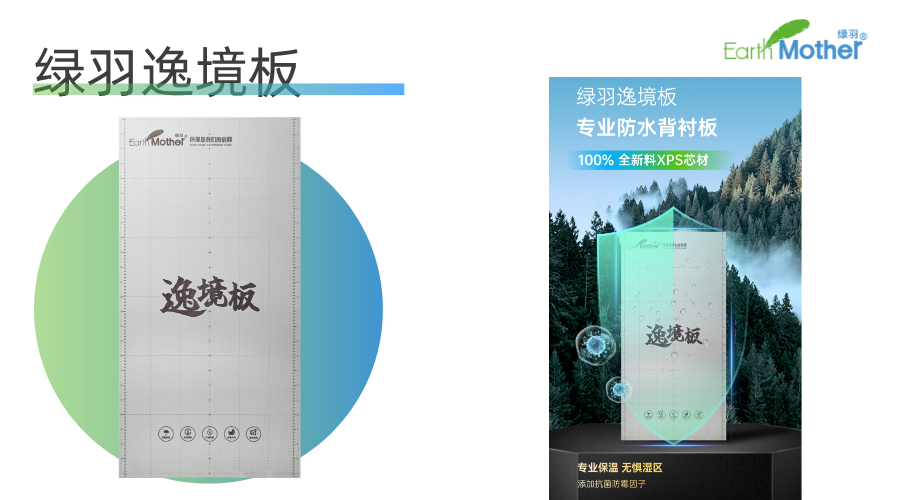
③ Earthmother Yinuan Board — Wet Area Interior Insulation
A robust five-layer composite structure that integrates thermal insulation and moisture protection for wet-zone applications.
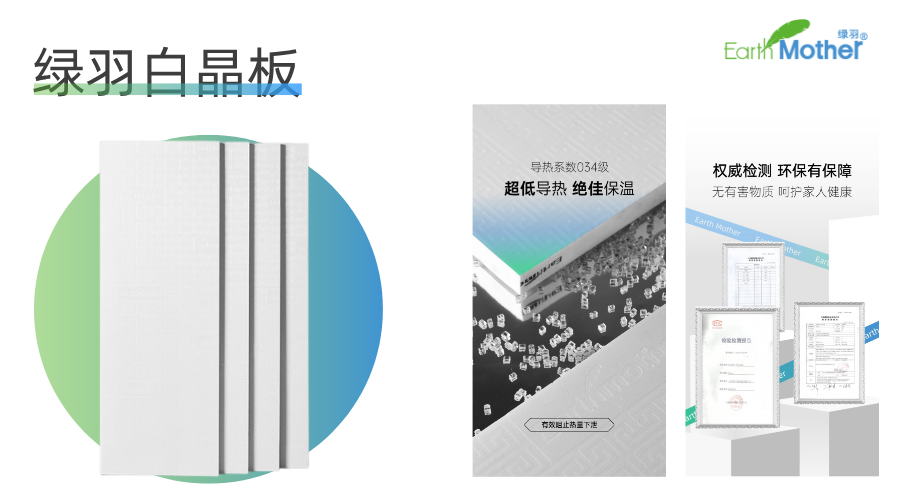
④ Earthmother XPS Board — Floor Insulation
Floors are often overlooked as a pathway for heat transfer. Insulating from below helps complete the building’s overall energy-saving performance.
For Today — And for 2050
Extreme climate conditions may become the new normal in the decades ahead.
We can continue responding to rising temperatures with conventional methods. But the more durable, sustainable solution is enabling buildings themselves to withstand a changing climate.
For nearly two decades, Earthmother has specialized in building energy efficiency. We have witnessed not only the evolution of insulation materials, but also the accelerating transformation of our climate.
Facing the possibility of a historic El Niño event, one thing is increasingly clear: every additional step toward higher-performing building envelopes today helps reduce climate pressure for tomorrow.
Sustainability does not have to exist only in grand narratives. It lives in the material choices we make every day.
That is why Earthmother remains committed to developing environmentally responsible, healthy, and energy-efficient materials — creating living spaces that are more comfortable, lower-carbon, and built for the future.
For every summer ahead — and for the generations beyond.