Summer Floor Heating Installation: Watch Out for Cracks in the Screed Layer!
Many homeowners choose summer for renovation projects—but beware! High temperatures, intense sunlight, and rapid moisture evaporation make this season a risky time for many construction tasks. Without proper moisture control, materials can dry too quickly, leading to cracks and structural issues.
One of the most vulnerable stages is the screed layer for underfloor heating systems. If not properly maintained during summer, it can crack, delaminate, or even compromise the overall heating performance. That’s why proper screed curing in hot weather is essential—or better yet, consider “screed-free” alternatives.
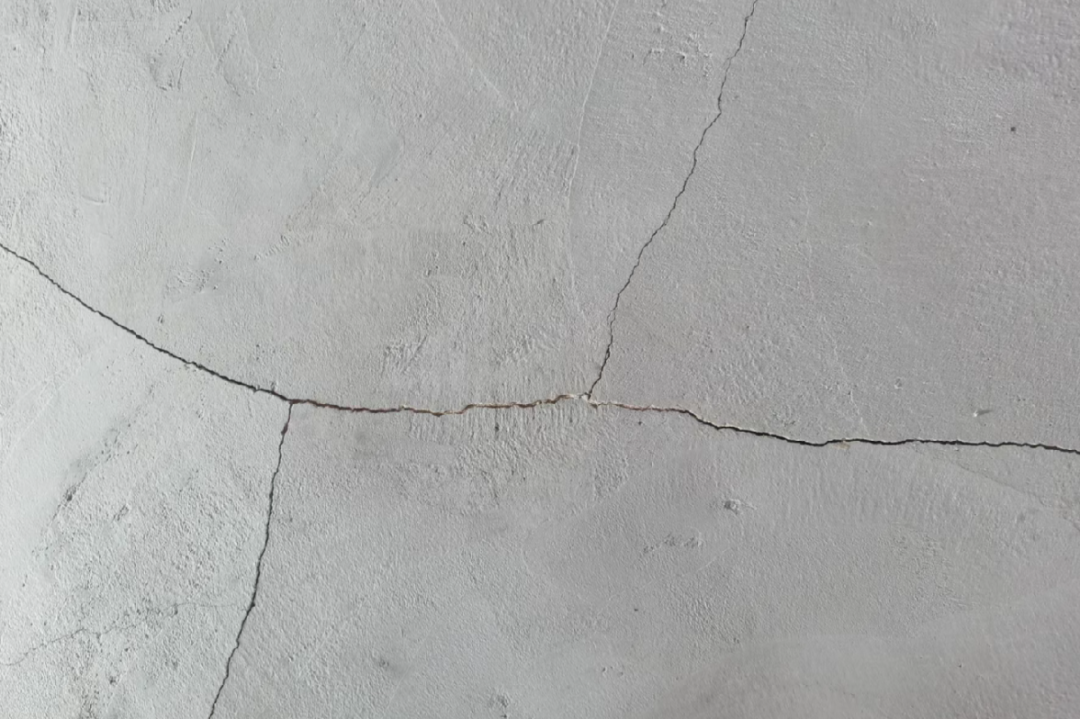
1. Key Points for Curing Traditional Screed in Summer
Curing Start Time:
Begin watering 12–24 hours after screed application, once the material has set. This helps prevent shrinkage cracks. Continue curing for at least 7 days.
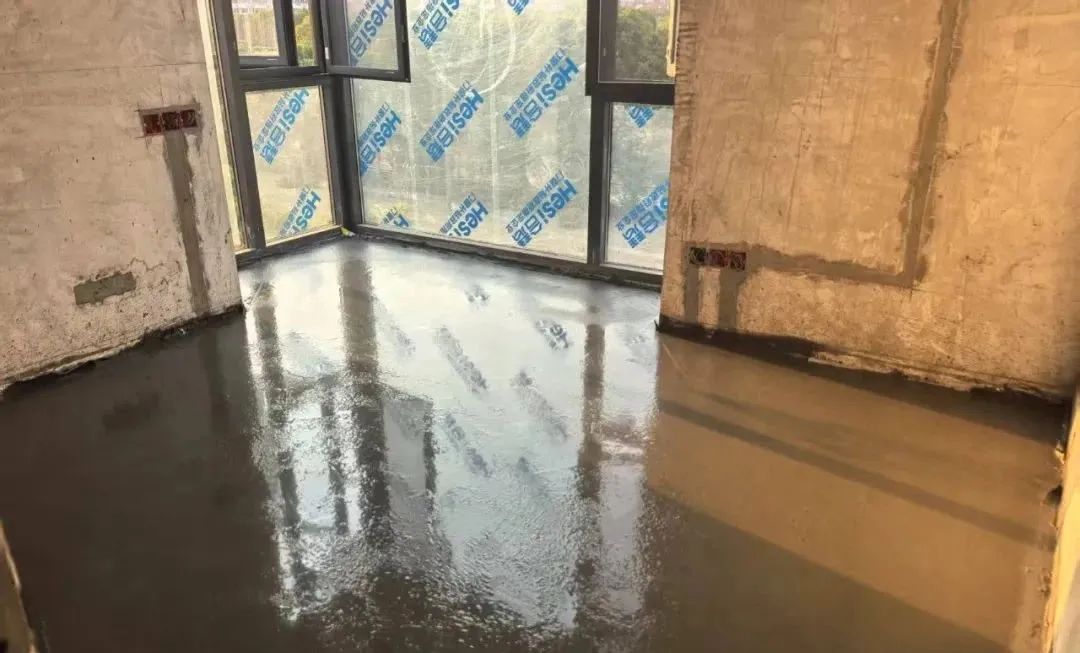
Watering Frequency:
Spray water every 2–3 days under normal conditions. In hot weather, daily spraying may be necessary to maintain surface moisture. Avoid excessive water that causes pooling.

Watering Method:
Use a spray bottle or sprayer for even misting—never pour water directly from a bucket. Flooding can weaken the screed or lead to leaks.
2. Maintenance-Free Screed Alternatives
Don’t want the hassle of daily watering? Consider these two curing-free solutions for floor heating screeds:
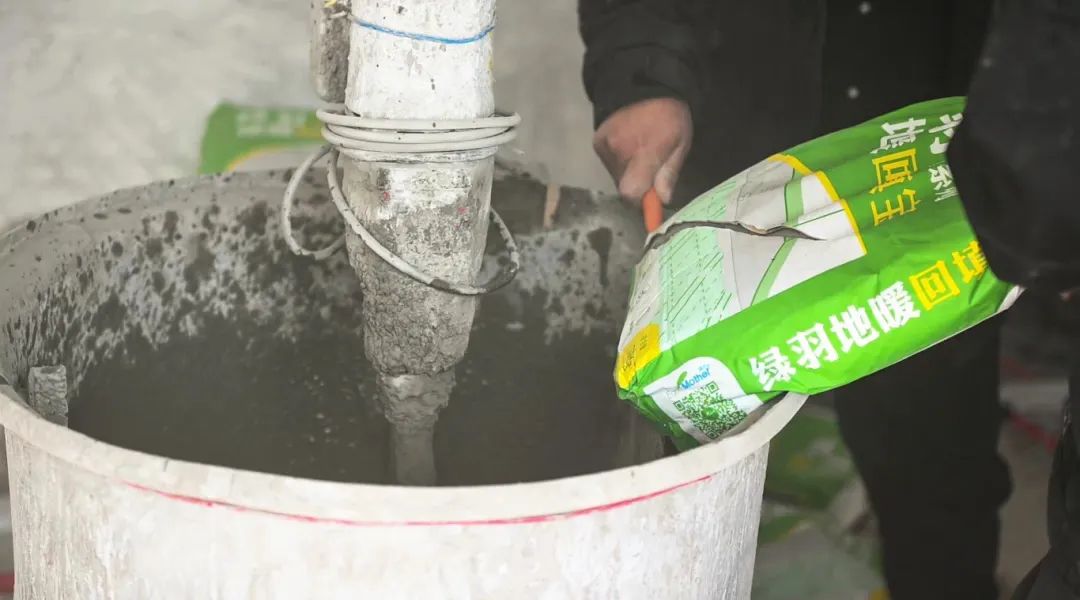
Pre-Mixed Screed Mortar
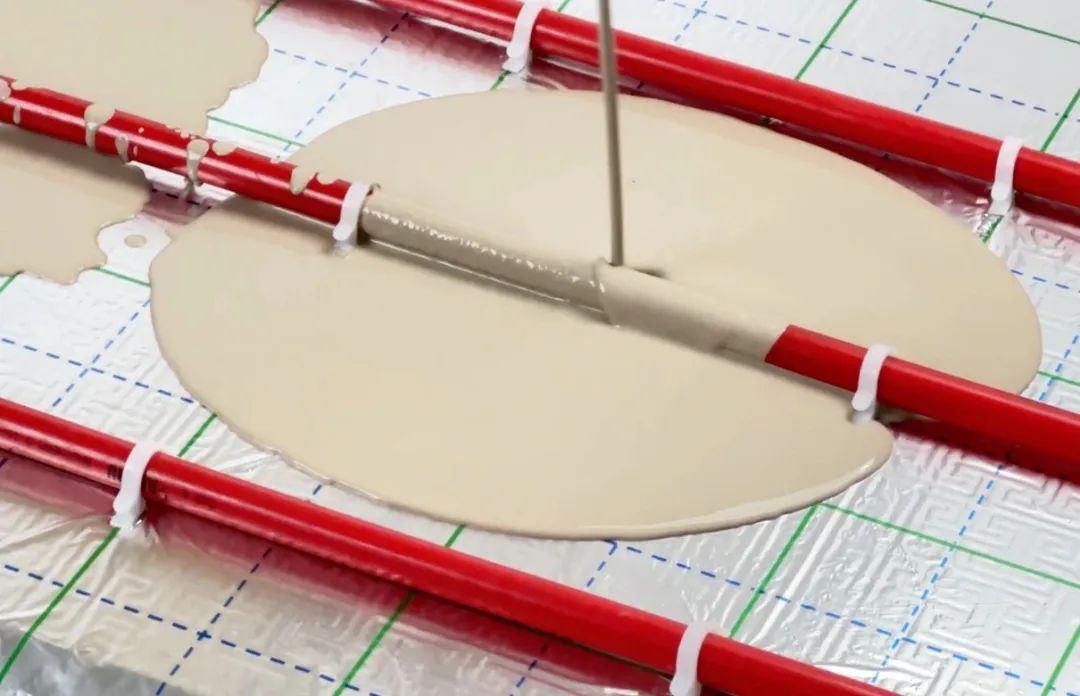
Self-Leveling Compound
Both options are designed for underfloor heating, offering excellent crack resistance and requiring no post-installation maintenance. These systems are not only convenient but also enhance construction efficiency.
Self-Leveling Screed (Gypsum-Based):
High-performance, thin-layer, self-leveling compounds are especially suitable for wood flooring finishes. They provide a smooth, flat surface and don’t require water curing. Make sure to choose high thermal conductivity gypsum-based products to maintain heating efficiency. Avoid materials made with industrial byproducts like phosphogypsum or fluorogypsum for better indoor air quality.
3. Additional Tips for Floor Heating Screed
Material Mix:
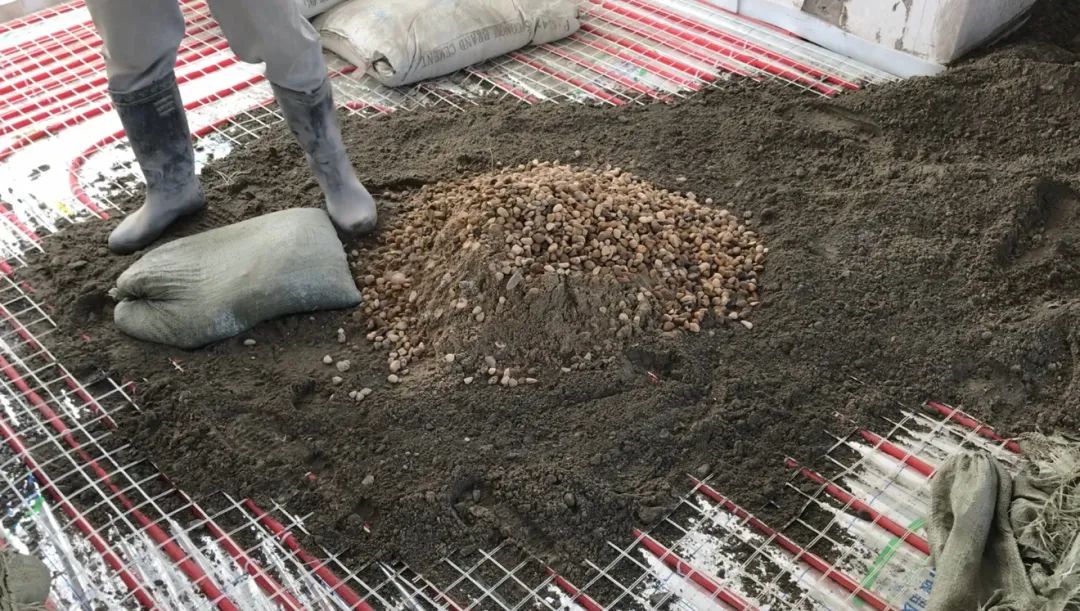
The traditional screed mix ratio is 3 parts gravel, 2 parts sand, and 1 part cement. Gravel helps improve thermal conductivity—do not substitute with other materials. Proper mixing is critical to ensure the screed’s consistency and strength.
Screed Thickness:
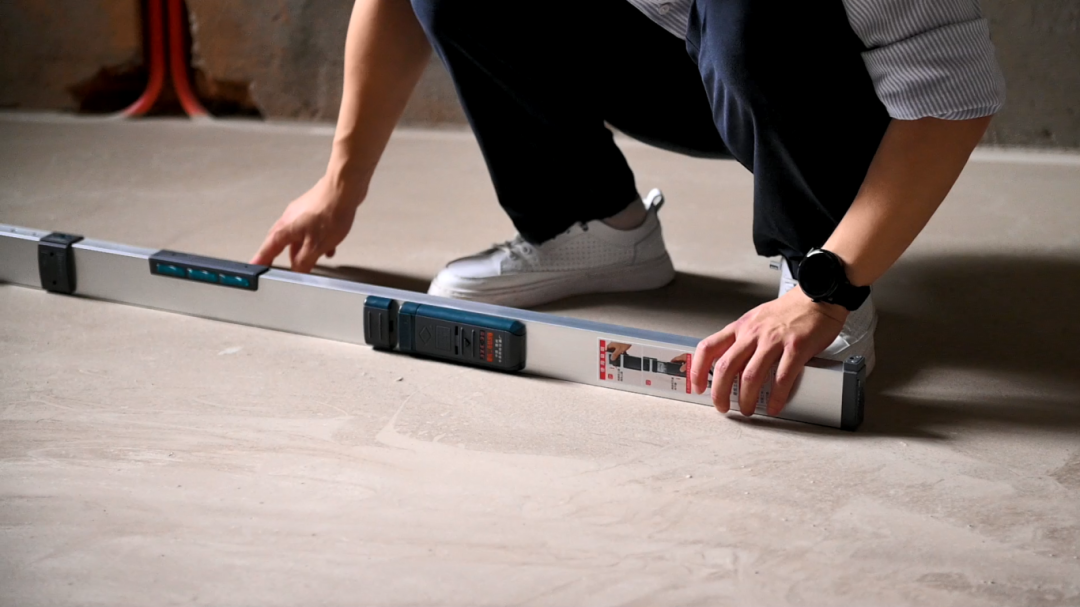
A typical screed layer for underfloor heating is 4–5 cm thick. If ceramic tiles will be installed later, some unevenness is acceptable since tile adhesive can help adjust the level. For wood flooring, a smooth, level surface is essential—use a self-leveling layer as needed.
Reinforcement Mesh:
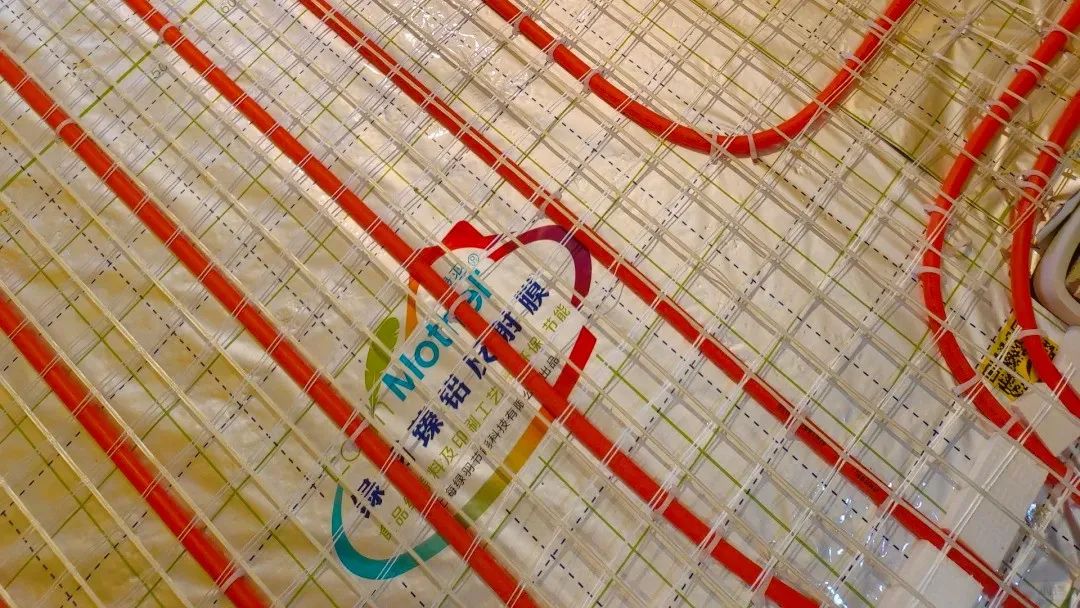
Always reinforce the screed with mesh. Compared to traditional steel mesh, fiberglass mesh is safer, easier to cut, corrosion-free, and provides over 1000N of tensile strength in both directions—making it the preferred choice in modern underfloor heating installations.
In Conclusion
Summer underfloor heating installation requires extra care—especially during the screed phase. Proper curing or choosing maintenance-free solutions can make a big difference in the longevity and performance of your heating system. Follow industry best practices, use high-quality materials, and let your heating system run safely and efficiently for years to come.