The Hidden Upgrade That Transforms Your Living Experience
Facing Reality: The Common Issues of Older Homes
While it’s exciting to purchase an older property, it’s important to recognize its limitations. Many older homes suffer from:
- Peeling walls and aging finishes
- Poor thermal performance (too cold in winter, too hot in summer)
- Low ceiling heights that feel restrictive
These issues often become noticeable only after moving in. If you want to give your home a true “second life,” insulation should be a top priority—alongside structural and aesthetic renovations.
Why Insulation Matters More Than You Think
A Critical Upgrade for Older Buildings
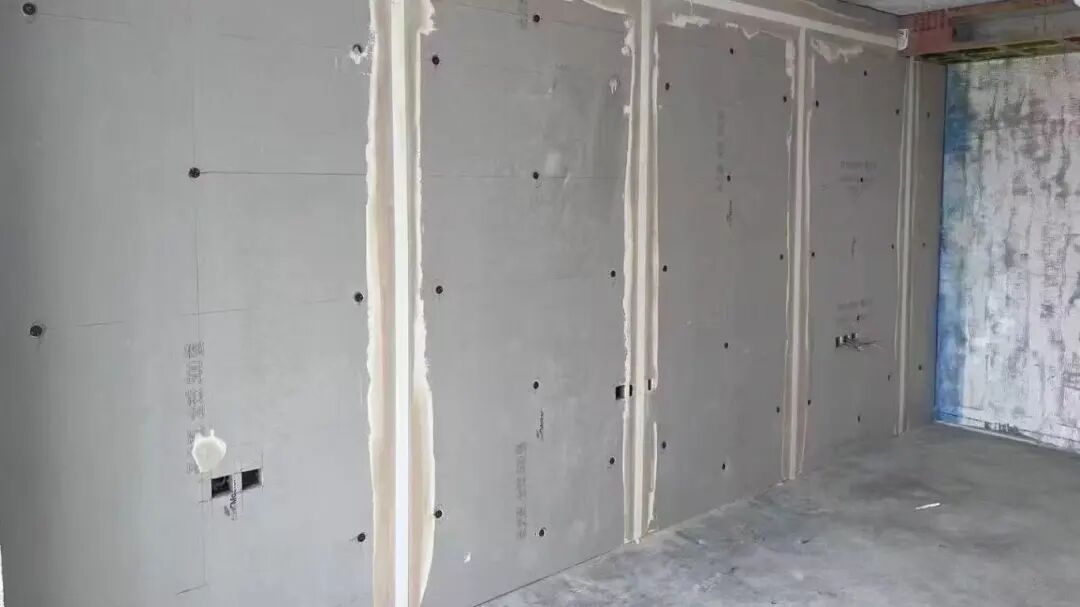
Most older homes either lack insulation entirely or have degraded insulation that no longer performs effectively. Adding an internal insulation layer during renovation is like giving your home a tailored “thermal jacket.”
- Keeps heat out during summer
- Retains warmth during winter
- Reduces energy consumption and utility costs
Compared to continuously paying higher energy bills, insulation is a smart long-term investment.
Choosing the Right Insulation Materials
For internal wall insulation, commonly used materials include:
- XPS (Extruded Polystyrene) boards
- EPS (Expanded Polystyrene), including graphite-enhanced versions
- Rock wool
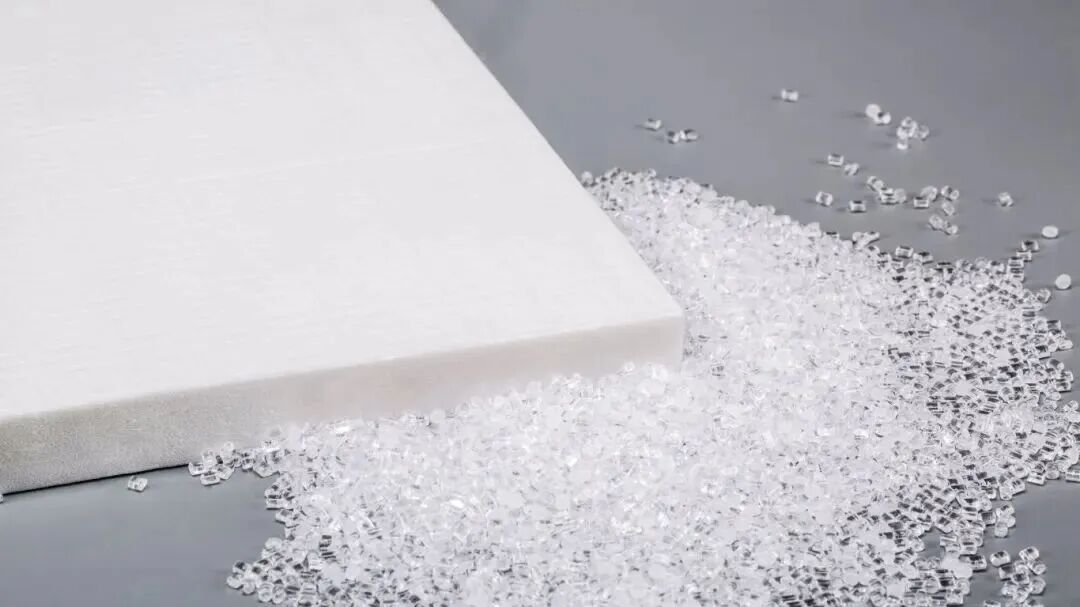
These materials offer excellent thermal performance and durability. If you choose XPS, it is recommended to use boards made from 100% virgin raw materials to ensure environmental safety and odor-free indoor air quality.
Faster Installation with Composite Insulation Panels
For projects with tight timelines, advanced composite insulation panels provide a more efficient solution. These panels combine EPS insulation with a gypsum board finish in a single product.
- Directly applied to existing walls
- Quick and simple installation (can be completed in one day)
- Smooth surface ready for painting
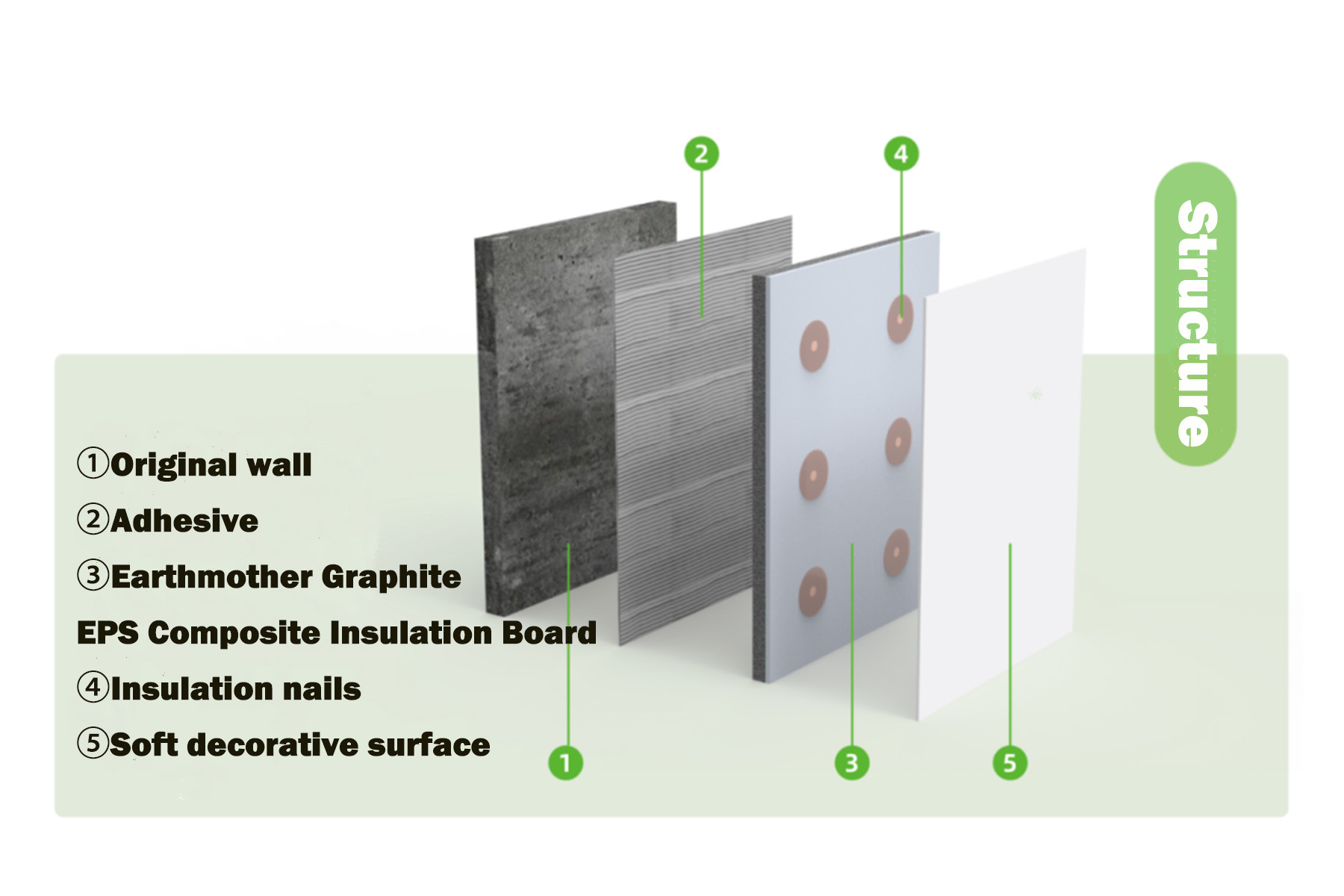
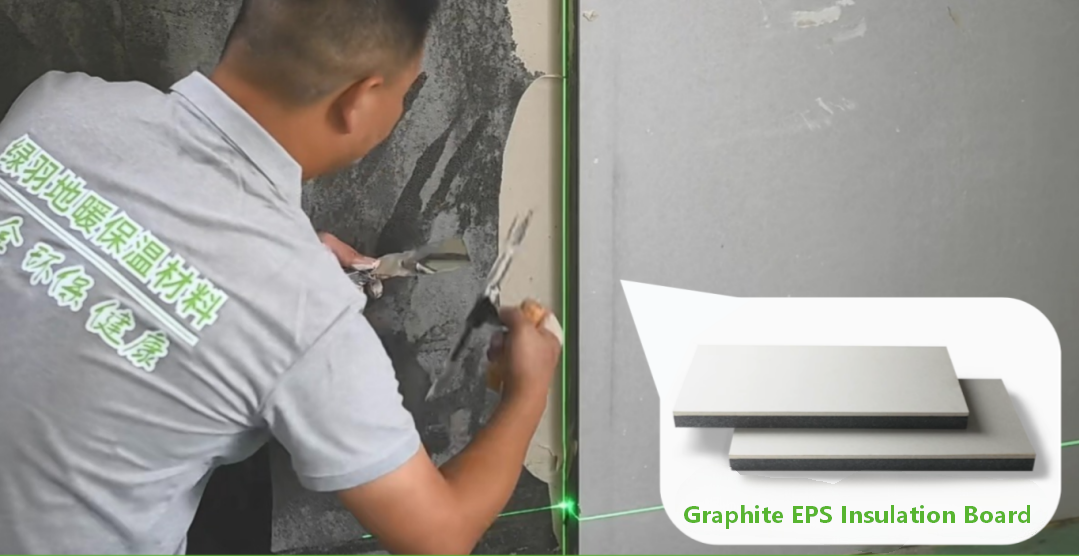
Important: Before installation, ensure that all loose paint and surface layers are fully removed to guarantee proper adhesion and durability.
Achieving Underfloor Heating in Older Homes
The Challenge: Limited Floor Height
Underfloor heating is highly desirable, especially in colder seasons. However, traditional systems can be problematic in older homes due to floor height limitations.
A conventional wet system (insulation + pipes + concrete screed) typically adds 8–10 cm to the floor—often impractical for older buildings.
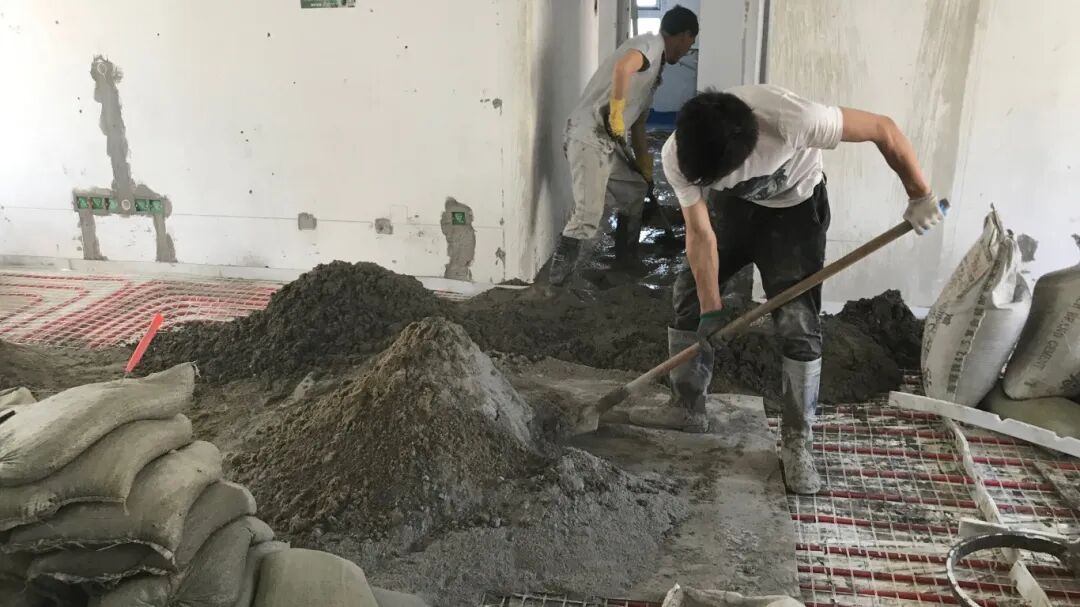
The Ideal Solution: Dry Underfloor Heating Systems
Dry underfloor heating modules are specifically suited for renovation projects. Their advantages include:
1. Minimal Floor Height Impact
- Module thickness: approx. 3 cm
- Total system height: only 3–4 cm with flooring
2. Fast Heating Performance
- Aluminum layers ensure efficient heat transfer
- Room temperature rises within approximately 30 minutes
- Ideal for flexible, on-demand heating—saving energy compared to continuous operation
3. Lightweight and Structurally Safe
- No heavy concrete screed
- Reduced load on existing floor structures
- Safer for older buildings with limited load capacity
How to Choose Dry Underfloor Heating Materials
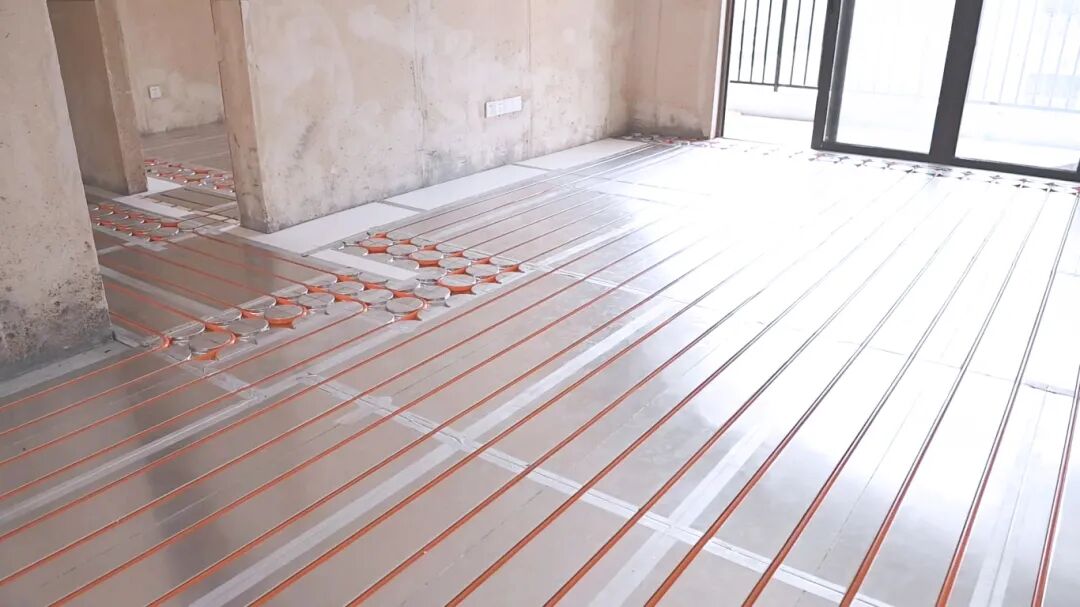
Modern dry systems are typically composed of:
- High-density insulation boards (such as XPS)
- High-conductivity aluminum panels
When selecting materials:
- Ensure the insulation core uses virgin raw materials
- Choose aluminum layers with a thickness of at least 0.3 mm for optimal performance
Efficient Installation Process
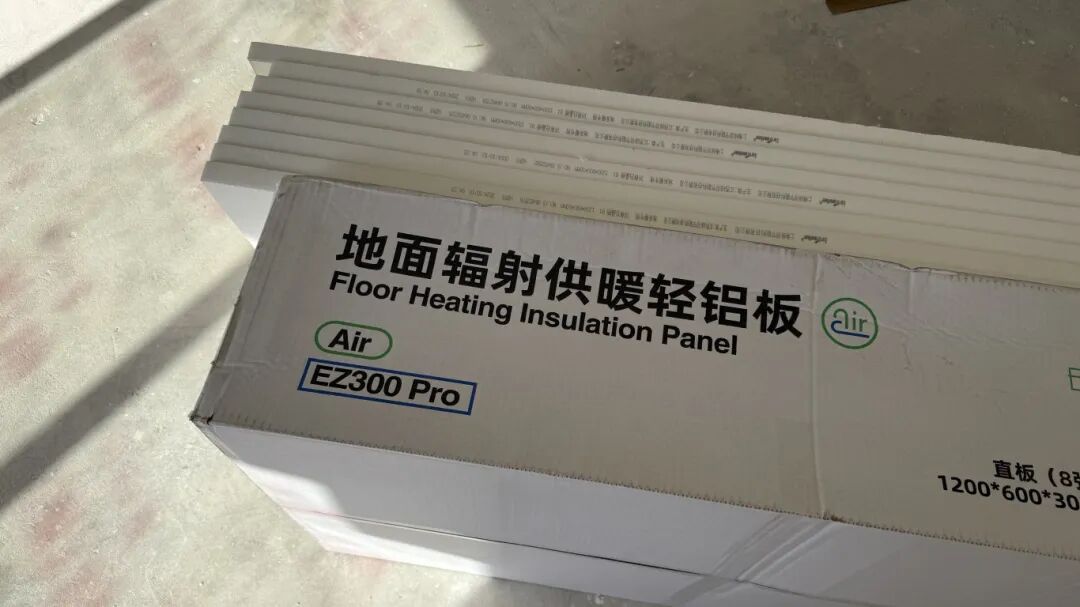
Dry underfloor heating is designed for speed and simplicity:
- Lay the modular panels
- Insert heating pipes or electric cables into pre-formed grooves
- Install flooring directly on top
This significantly reduces installation time compared to traditional systems.
Final Thoughts
Whether you’re renovating an older property or upgrading a newer one, comfort should always come first. Many of the most important investments—like insulation and heating—are hidden behind walls or beneath floors.
They may not be as visually striking as luxury furniture, but they are the true foundation of a comfortable home—shaping your living experience for the next 10 to 20 years.