“Is Your Ceiling Collapsing?” The Truth Behind Noises from Dry Underfloor Heating Systems
Dry underfloor heating is increasingly popular among homeowners for its energy efficiency, low floor height impact, and ease of installation. However, some users have recently reported unusual noises during operation—sometimes quite loud—leading them to wonder: is this normal?
In most cases, dry underfloor heating operates silently. Disturbing noises are rare and typically indicate issues with materials or installation. Let’s take a closer look at the common causes of these noises—and how to eliminate them.
Common Sources of Noise in Dry Underfloor Heating Systems and How to Fix Them
1. Water Hammer Effect
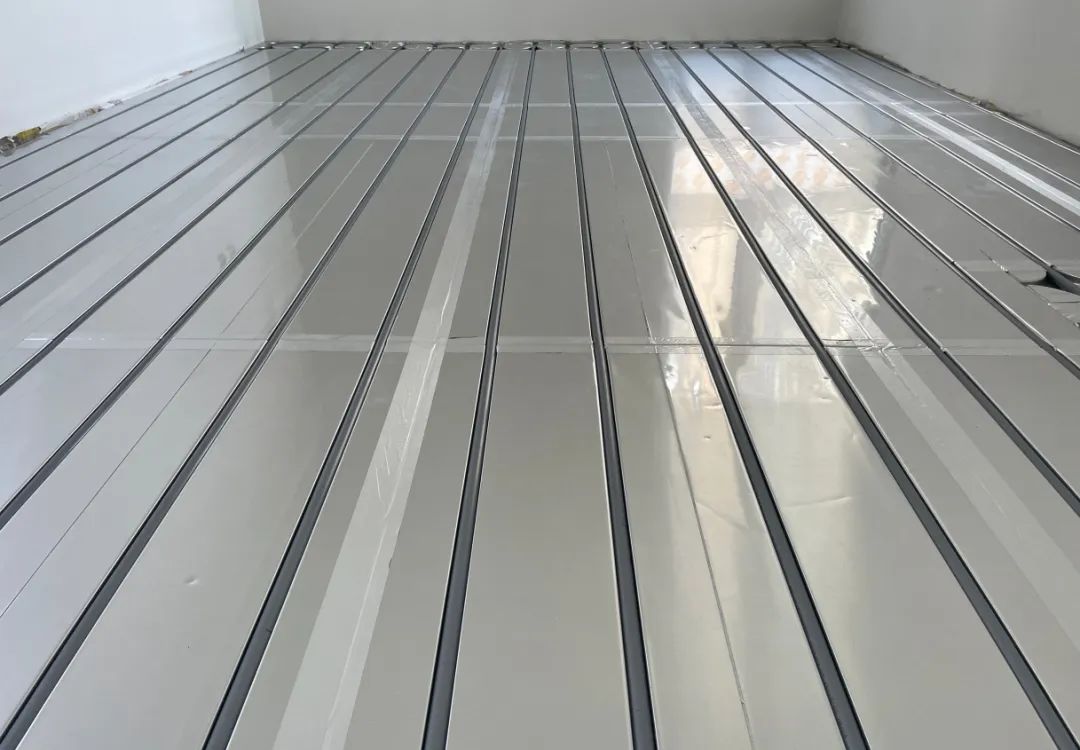
One of the main causes of noise in dry underfloor heating systems is the water hammer effect. When water flow is suddenly stopped or redirected, its momentum can cause it to hit the pipe walls and valves with great force, creating a loud banging sound. In dry systems, heating pipes are fitted directly into aluminum grooves, which often contact the wooden flooring. As a result, pressure changes from water hammer can transfer quickly to the floor and produce noise.
Solution:
- Install a mini expansion tank (shock absorber) before the manifold to quickly dampen pressure surges.
- Reduce the water pressure, particularly when using mixing valves, to prevent sudden fluctuations.
2. Air Trapped in the Pipes
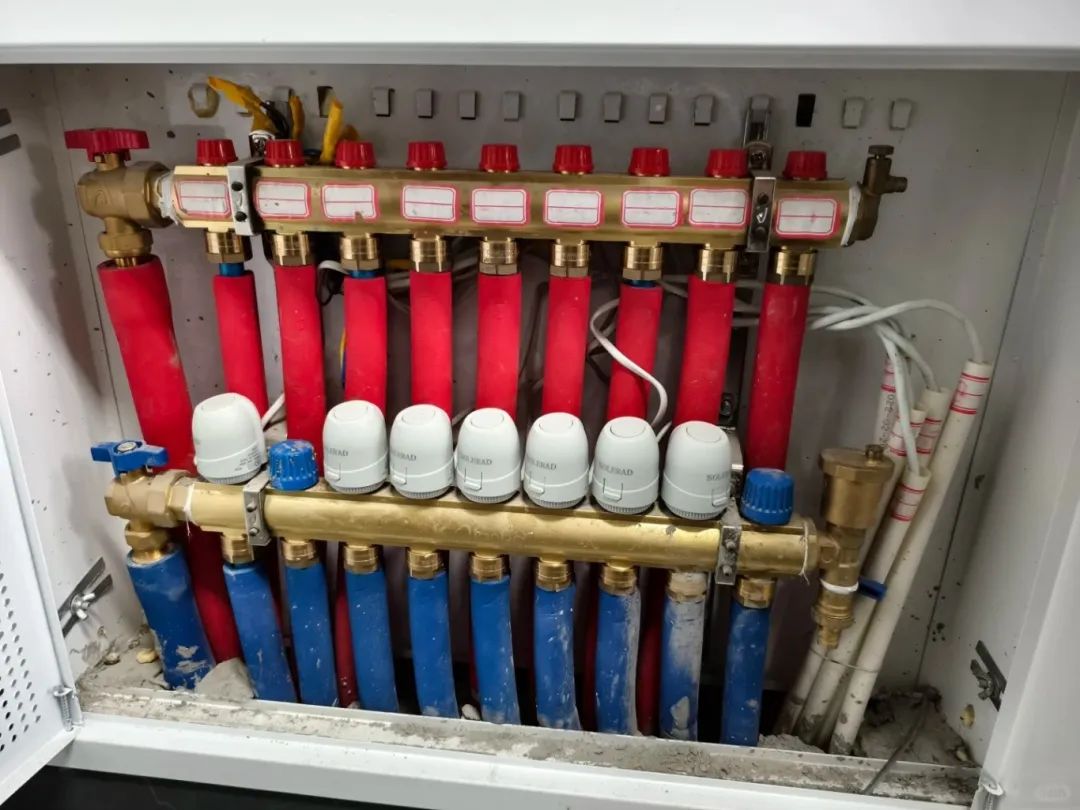
Residual air in the system is another frequent culprit. Air pockets can cause vibration and noise, especially near the mixing pump and manifold.
Solution:
- Regularly open the air vents on the manifold to release trapped air until the water flow is steady.
- Make air venting part of routine maintenance, especially when first starting the system or after a long period of inactivity.
3. Uneven Subfloor
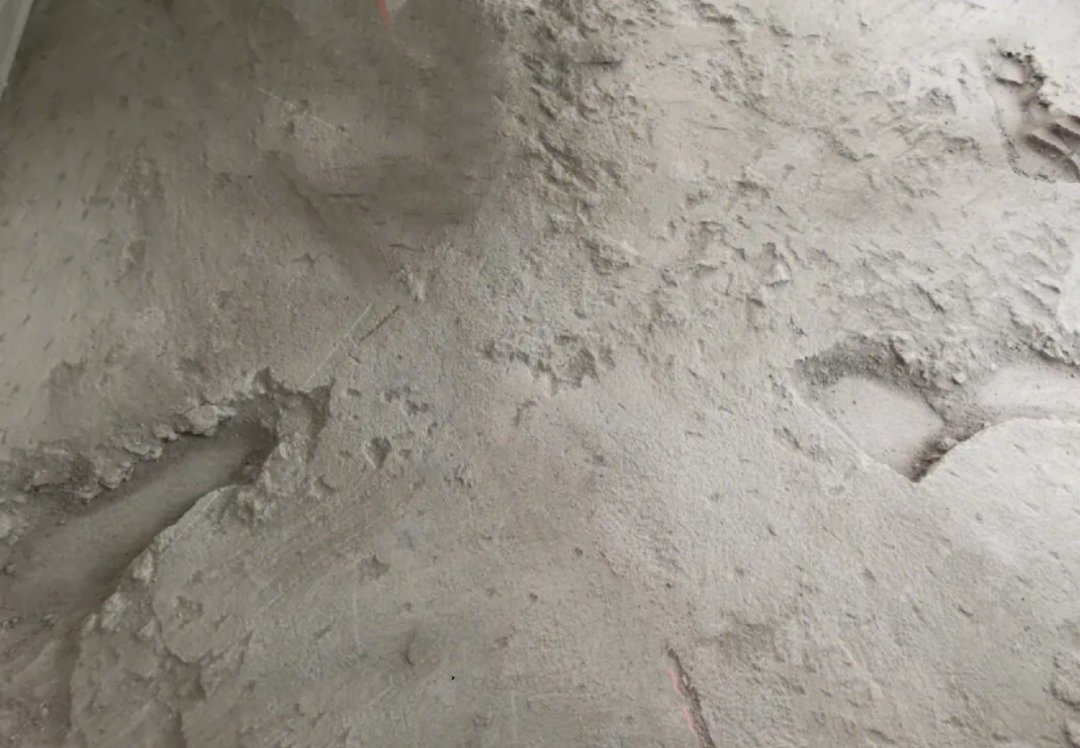
If the subfloor isn't level before installation, the dry heating panels may shift slightly when walked on, causing friction sounds or clicks.
Solution:
There is no fix after installation. Proper preparation is essential: the subfloor must be level within 3mm over 2 meters. Use self-leveling compound as needed before installation.
4. Low-Quality Insulation Boards
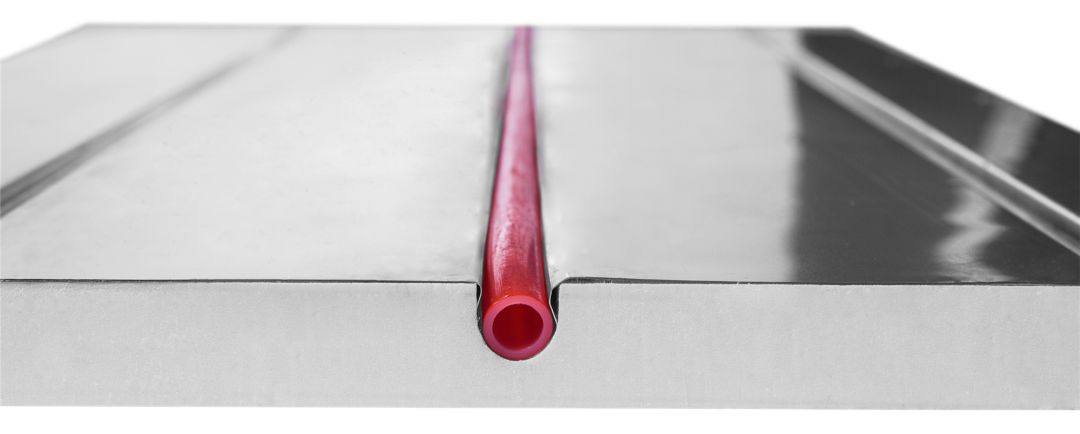
If the insulation boards used in the dry system are not sufficiently dense or strong, they can compress and deform over time, leading to uneven surfaces and noise when stepped on.
Solution:
Choose high-quality materials. Boards made from XPS offer excellent compression strength and durability, making them ideal for dry underfloor systems.
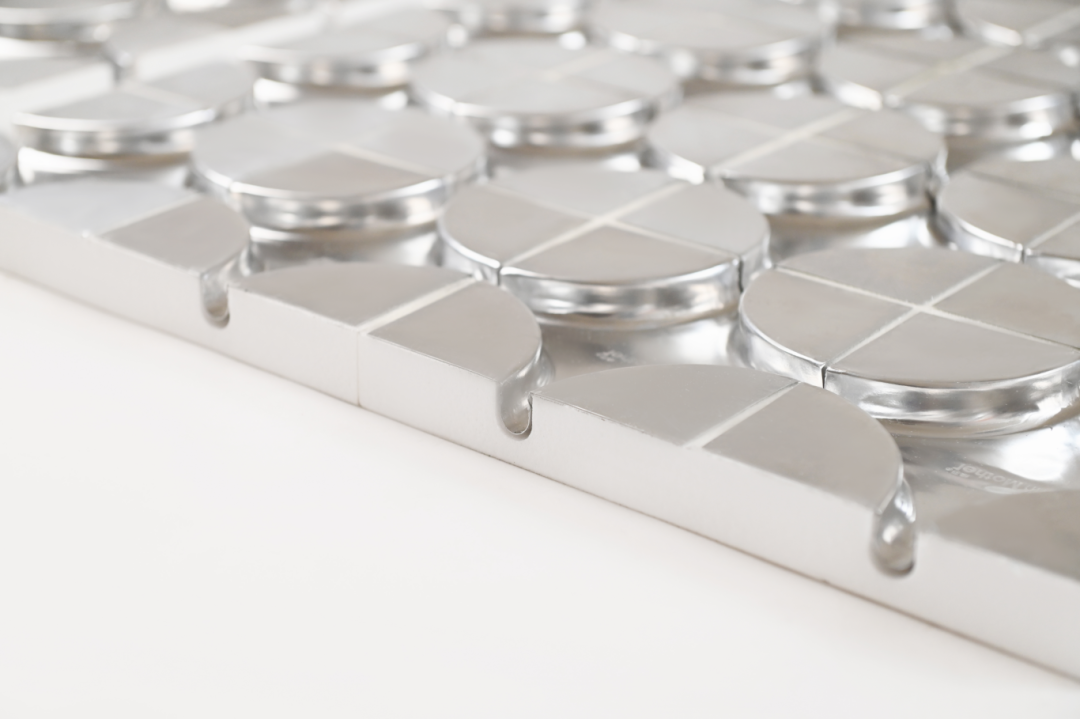
5. Aluminum Plate Friction
If the aluminum foil layer is not properly edge-treated, adjacent panels may rub against each other, producing squeaking or creaking sounds.
Solution:
- Use aluminum plates with a minimum thickness of 0.3mm.
- Allow a 1.5–3mm gap between the aluminum layer and the insulation board to prevent direct contact and friction.
6. Inappropriate Tape Use
Using standard adhesive tape to seal aluminum plate joints can lead to loosening and noise as the system expands and contracts with heat.

Solution:
Always use specialized acoustic fiberglass aluminum foil tape designed for dry underfloor heating systems to seal gaps securely and prevent noise.
Follow a Standardized Installation Process
Shanghai Earthmother offers a complete installation manual for dry underfloor heating systems. Following a standardized procedure ensures optimal performance and reduces the risk of operational issues like noise.
Conclusion
While noise from a dry underfloor heating system can be concerning, it's usually avoidable—and fixable. By selecting reliable materials, ensuring proper installation, and performing routine maintenance, you can eliminate noise issues and fully enjoy the benefits of dry underfloor heating: energy efficiency, low profile installation, and construction convenience.