Is the Edge Insulation Strip in Underfloor Heating Really Necessary?
In standard underfloor heating installation practices, applying edge insulation strips is a required step.
However, many homeowners are unfamiliar with this material and may even dismiss it as an unnecessary “gimmick.” Some installers may also share this opinion. Today, Earthmother would like to clarify the value of this often-overlooked yet critical component — the edge insulation strip.
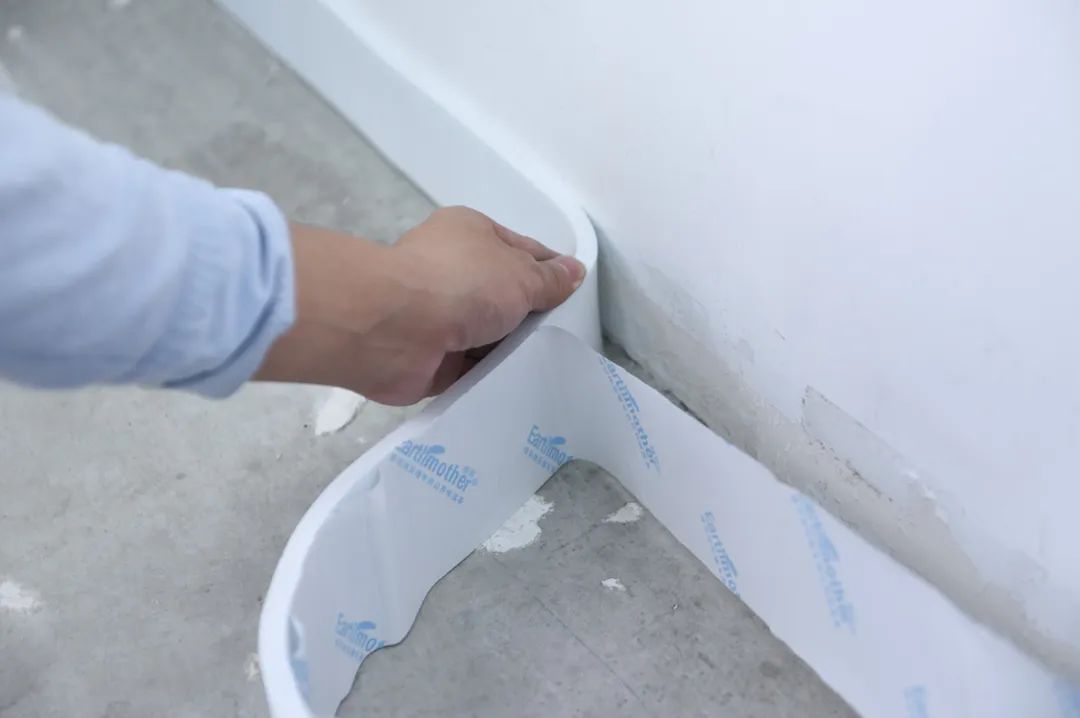
What Is an Edge Insulation Strip?
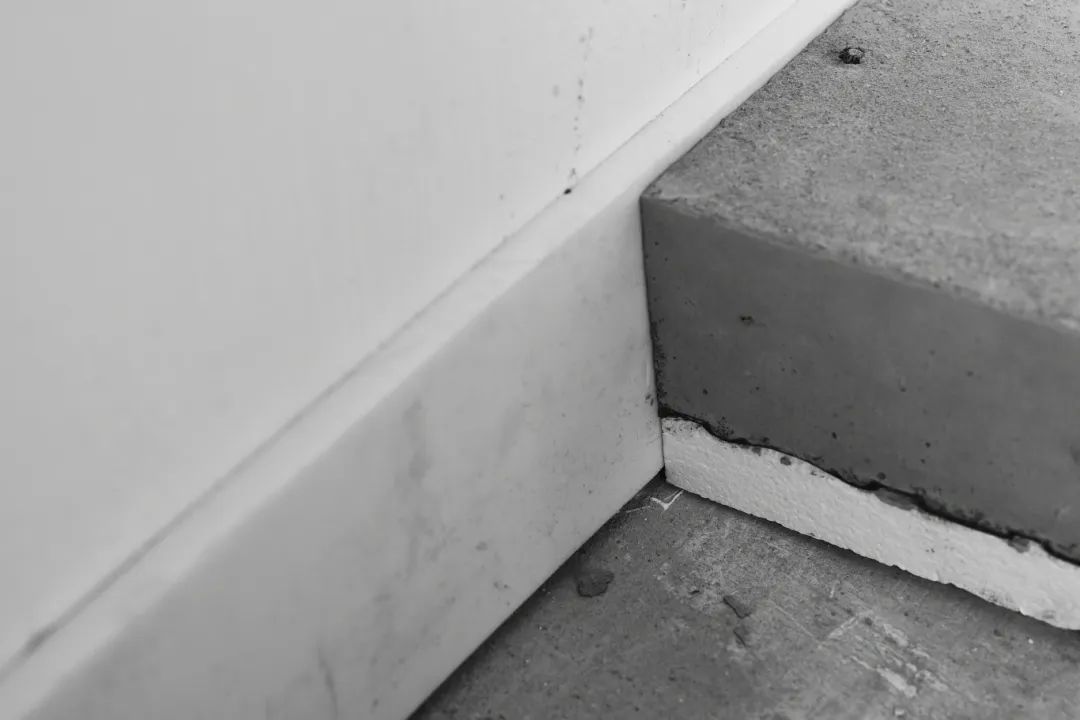
Also known as perimeter insulation, the edge insulation strip is typically made of EVA (ethylene-vinyl acetate) foam. It is flexible and resilient, and is applied along the bottom edges of walls before the underfloor heating system is installed.
The Two Main Functions:
1. Thermal Insulation
The strip prevents heat from escaping from the floor slab into the surrounding walls. This minimizes thermal losses and helps the system operate more efficiently.
2. Expansion Buffer
As the floor’s screed layer heats up, it expands. Without the edge insulation strip, the expansion has nowhere to go and can cause the screed to lift or crack near the walls. The insulation strip acts as a buffer, absorbing this expansion and preventing structural damage.
In short, edge insulation strips improve energy efficiency and prevent structural cracks — both crucial to the long-term performance of the heating system.
When selecting insulation strips, make sure the product has:
· Low thermal conductivity
· Good creep resistance
· Low water absorption
· Is made from new, non-toxic materials
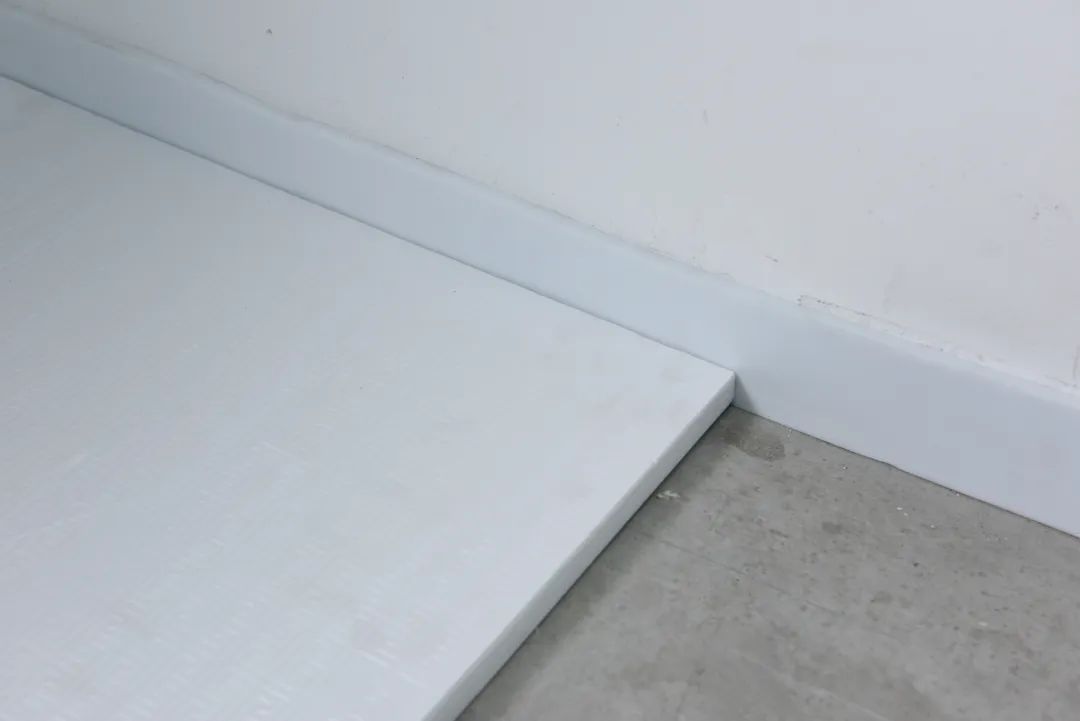
Common Misconceptions and Poor Practices
In some cases, installers may skip this step or remove the strips after screed application, assuming it makes no difference. However, such practices may cause:
· Greater heat loss
· Cracks in the screed
· Reduced system lifespan and efficiency
Another frequent issue occurs when insulation strips protrude after screeding. Some workers pull them out roughly, which is incorrect. The proper method is to trim the excess with a utility knife after screed drying.
Is There Real Evidence That It Helps?
To verify the thermal performance of edge insulation strips, Earthmother conducted a simulation comparing cases with and without insulation strips.
Structural & Design Parameters:
| Component | Value |
|---|---|
| Floor finish(Tile) | 10mm |
| Exterior wall thickness | 240mm |
| Floor insulation | 30mm |
| Floor slab | 120mm |
| Parameter | Value |
|---|---|
| Average supply/return water temp | 45°C |
| Indoor design temp | 22°C |
| Outdoor average temp | 5°C |
| Room below temp | 12°C |
| Pipe spacing | 150mm |
| Pipe diameter | 16mm |
| Water flow speed | 0.5 m/s |
Simulation Results:
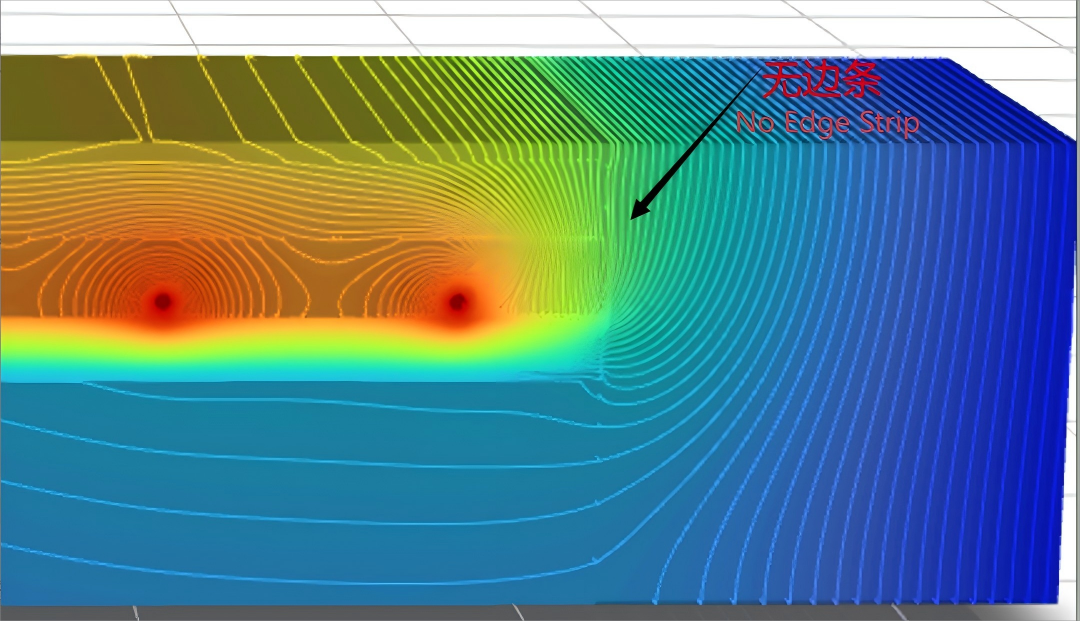
Without insulation strip – significant heat loss to wall
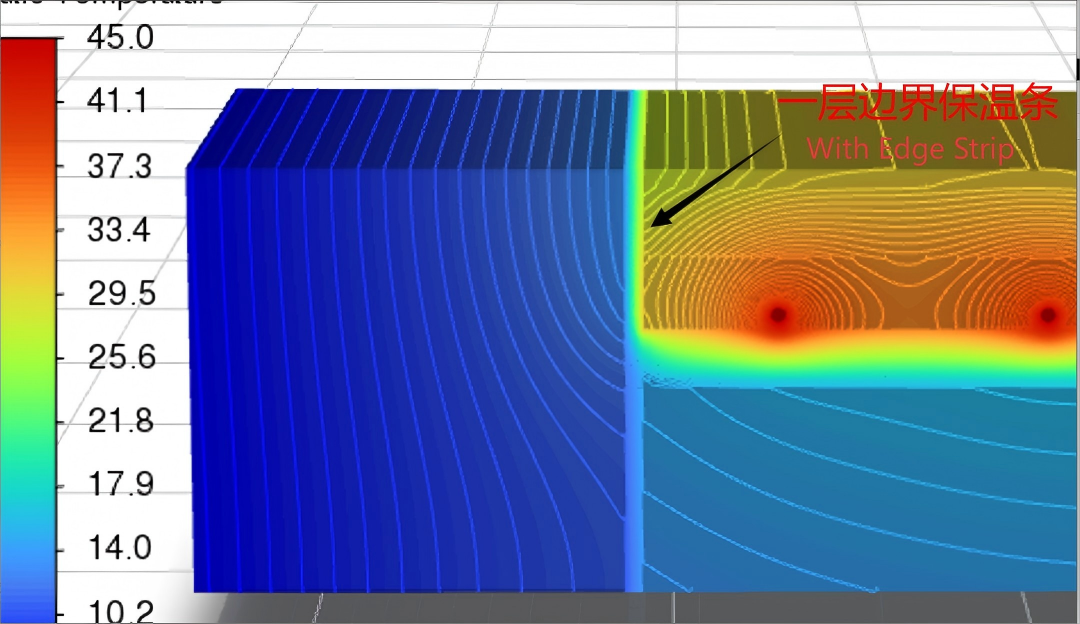
With insulation strip – reduced wall heat flow, better thermal containment
| Condition | Heat loss to wall (W/㎡) |
|---|---|
| Without strip | 73.34 |
| With strip | 39.94 |
Result: Installing the edge insulation strip reduced heat loss by 33.4 W/㎡.
In a 100㎡ house (assuming a total strip length of 60m), this translates to a gas saving of approx. 9.35m³.
(Based on estimated heat conversion factors and system efficiency)
What Should Homeowners Watch For?
Before installation, double-check the following:
✅ Installation Coverage – All walls should have insulation strips in place
✅ Correct Material – Ensure it's flexible EVA, not rigid foam board
✅ Reliable Brand – Choose eco-friendly, thick and wide strips from a reputable supplier
Small Details Make a Big Difference
At Earthmother, we believe in thoughtful design and responsible construction. The edge insulation strip is not an optional accessory — it's a small component that plays a big role in ensuring comfort, energy savings, and system durability.
Make the right choice. Don’t let overlooked details compromise your underfloor heating system.