Is dry underfloor heating always more cost effective?
There is always a lot of controversy online about dry underfloor heating. Some say that dry underfloor heating is both good and low cost; some say that it is expensive to install, and there is no difference in energy efficiency compared to wet underfloor heating. Dry underfloor heating reviews are different, where exactly is the problem?
Earthmother believes that leaving aside the working conditions and the product itself to talk about energy saving is a false proposition. Today we will talk to you about dry underfloor heating in the end is not more money.
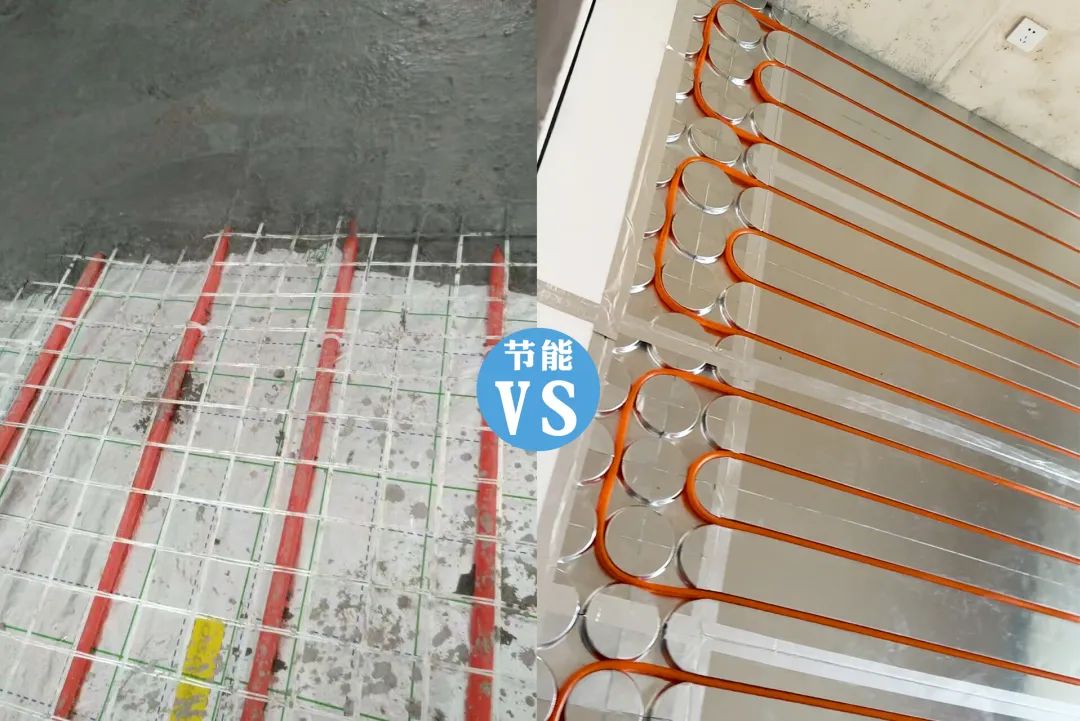
Environmental conditions
Conventional dry heating is divided into 2 types: heating cable and dry water heating. As for the heating film, heating mat do not have to consider, these are mostly commercial premises. Usually more than 50 square metres of domestic heating area is not recommended heating cable, because the energy-saving effect is not good.
As for the working conditions next, the heating energy consumption is high or not, it all depends on the insulation. When the heat supply is certain, the smaller the heat dissipation of the house, the smaller the heating supply needed, the more energy efficient the heating equipment.
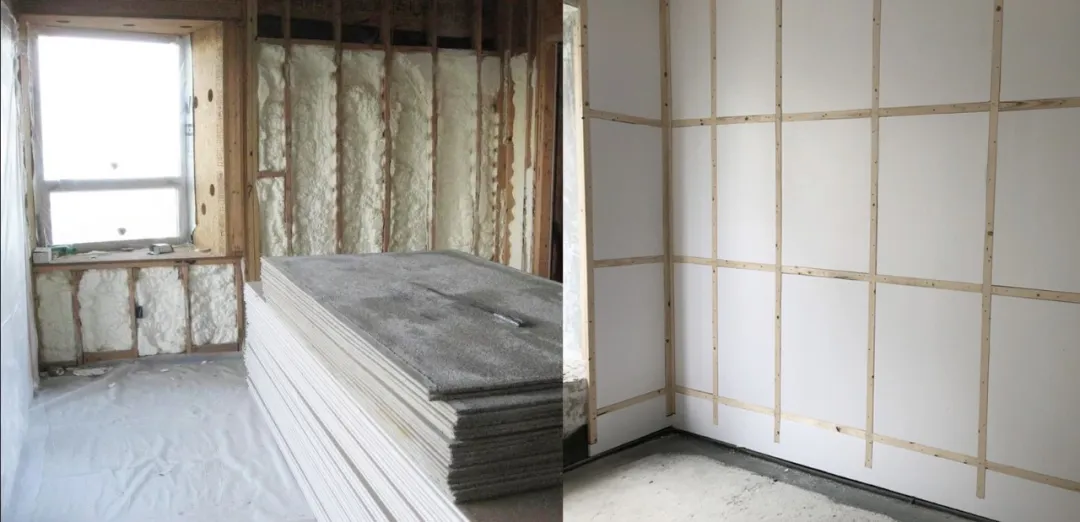
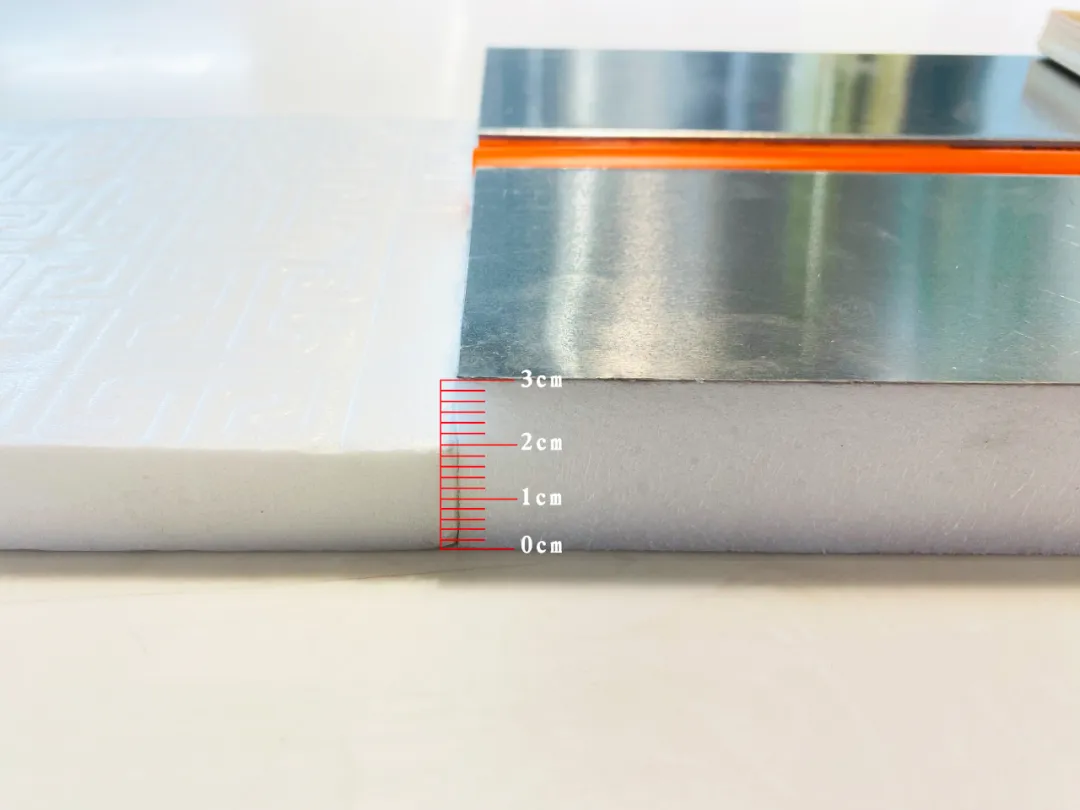
To clarify here, the dry underfloor heating board is more energy efficient than the traditional wet underfloor heating board in the same working condition, the reason is that the dry UFH insulation thickness is at least 3cm, which is 1/3 thicker than the traditional 2cm, and the thermal resistance has been improved by 0.3㎡·K/W, which is nearly 50% improvement. So it really improves energy efficiency in floor insulation. If you use 3cm XPS board for traditional floor insulation, the thermal insulation effect must be close to dry floor heating. But it won't be equivalent, because dry floor heating has another aluminum layer for heat diffusion.
Regular dry underfloor heating is not energy efficient
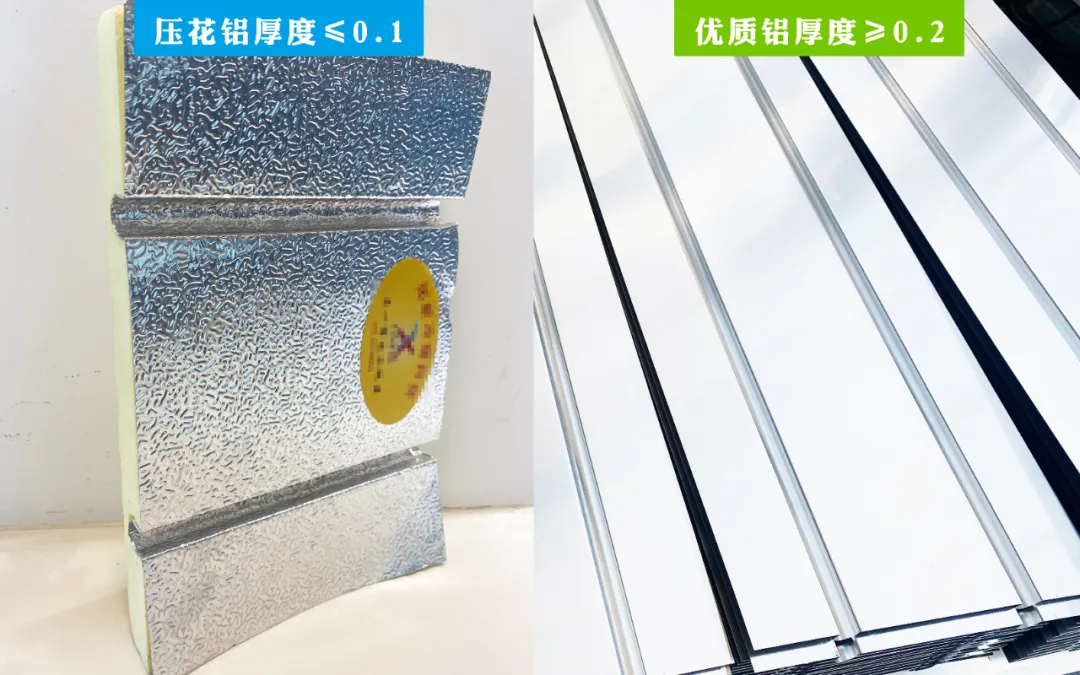
Earthmother suggests that owners should not blindly buy dry underfloor heating broads, aluminium laminated extruded panels are not necessarily energy-saving, but also depends on the quality specifically. For example, common embossed aluminium dry underfloor heating board is difficult to compare with the standard smooth aluminium plate of 0.3mm thickness. The Chinese national standard for dry underfloor heating aluminium plate is clearly defined and must be greater than or equal to 0.2mm. Also the extruded plastic boards of poor quality and less than 3cm thickness can be found everywhere. So not all dry underfloor heating boards are good energy savers.
Usage and energy-saving effect
Saying that dry underfloor heating is energy efficient out of usage is even more of a big lie. Many homeowners choose dry underfloor heating because it heats up quickly and is immediately available. Such heating properties, so that consumers use the floor heating as air conditioning. So generally no one is off during the day, the system is calculated to operate for about 10 hours / day. Compared with the traditional wet floor heating 24 hours a day full open, dry floor heating in the use of really than the traditional wet energy saving about 30%.

In summary:
① Dry underfloor heating is typically around 10 per cent more energy efficient than traditional 2cm wet underfloor heating. As dry underfloor heating can be used as soon as it is switched on, actual savings in daily use are around 30 per cent.
② Dry floor heating to save energy must ensure that the quality of extruded plastic board, and smooth aluminium layer thickness of 0.1mm or more.