Is Dry Floor Heating Prone to Collapse? Don't Be Misled—Here's the Truth!
Dry floor heating systems are becoming increasingly popular among homeowners due to their unique advantages. However, many people still have limited knowledge of how dry floor heating works, and online misinformation is widespread. Today, let’s debunk the common myths and uncover the truth about dry floor heating systems.
1. What's the Difference Between Dry and Wet Floor Heating?
In the HVAC industry, floor heating systems are categorized into dry and wet types, based on whether or not a concrete screed layer is applied.
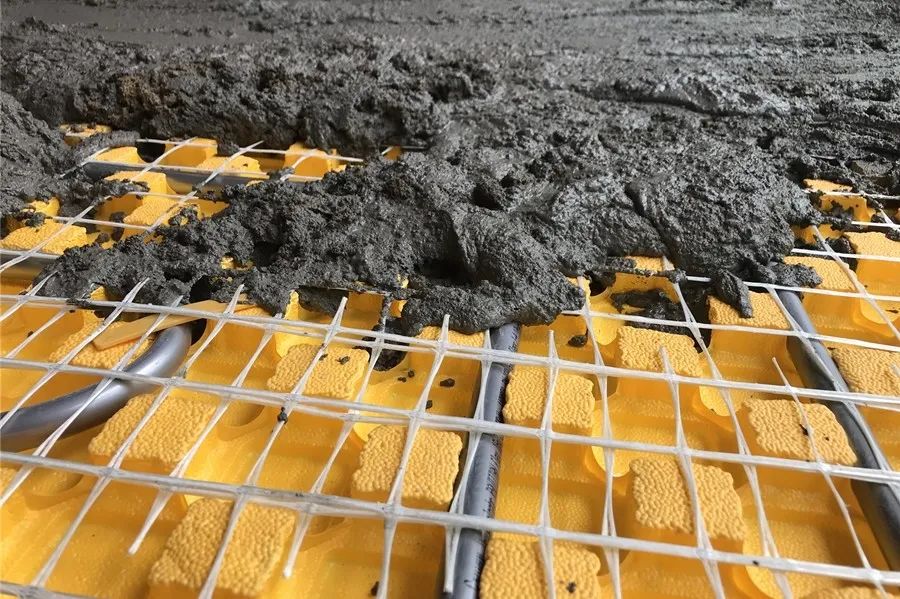
Wet System
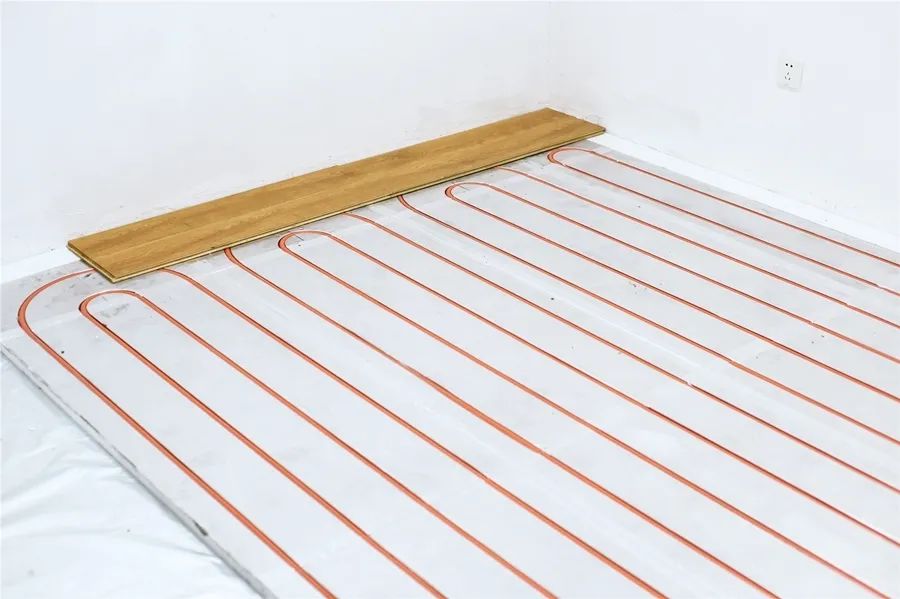
Dry System
Wet floor heating includes a concrete screed that covers the pipes.
Dry floor heating requires no screed, and the flooring can be installed directly on top.
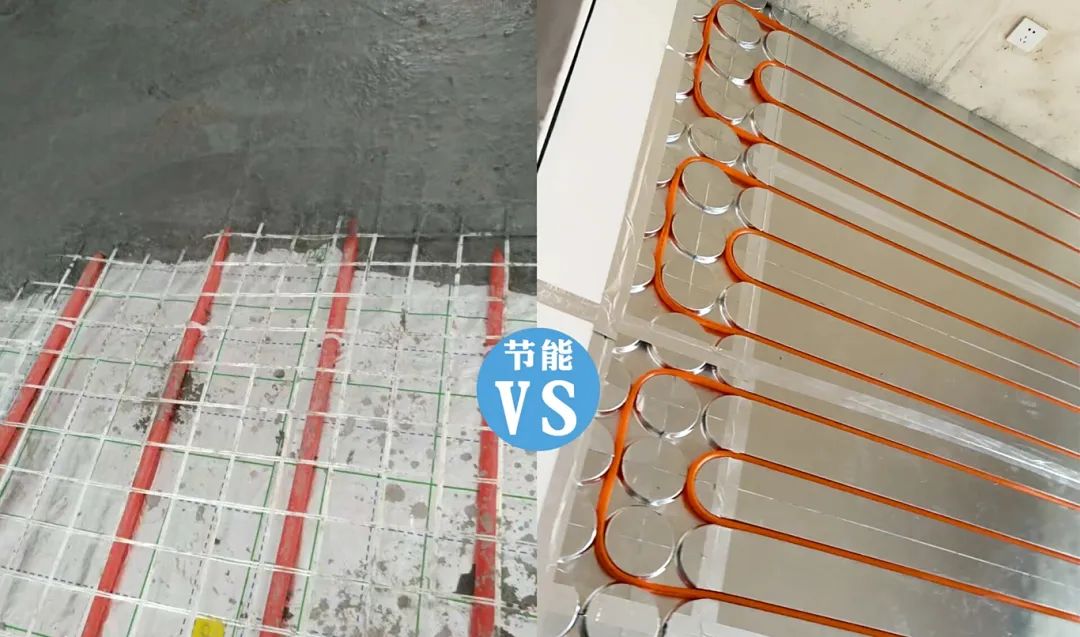
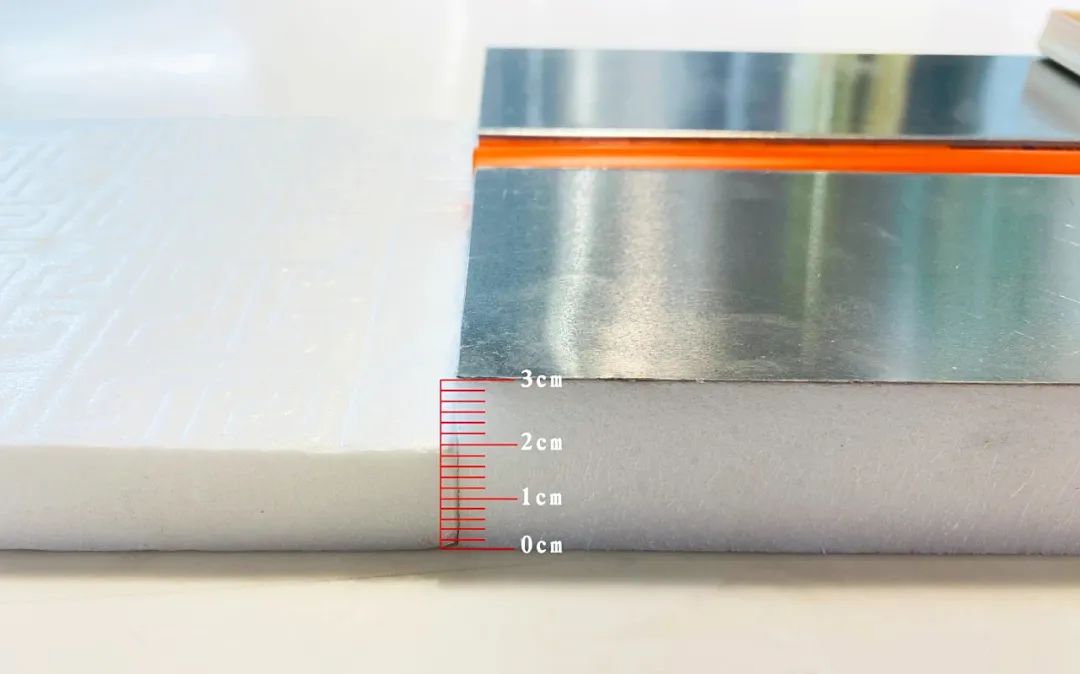
Modern dry floor heating systems typically use pre-fabricated grooved panels made from insulation boards combined with aluminum heat-diffusion layers. These modules eliminate the need for on-site grooving and allow for fast, clean installation.
2. What Are the Advantages of Dry Floor Heating?
Saves Floor Height
No screed layer means 3–5cm of floor height saved—ideal for homes with low ceilings.
Faster Heating
The floor surface is directly above the heating pipes, allowing rapid heat-up with minimal wait time.
Even Heat Distribution
Grooved panels securely hold the pipes without clips, preserving insulation performance and ensuring uniform heat output.
Easy Installation
Modular design means a quick installation process with shorter construction time and easier maintenance.

3. Common Myths About Dry Floor Heating – And the Facts
Myth 1: Dry floor heating is prone to collapse.
Fact:
Collapse typically results from substandard insulation boards with poor compressive strength. High-quality dry systems use 3cm thick insulation with ≥300kPa compressive strength. When quality materials and proper installation are ensured, flooring collapse and loosening can be completely avoided.

Tip:
Choose reputable brands that meet quality standards.
Myth 2: Dry floor heating makes noise.
Fact:
Noise issues usually come from:
Uneven subfloors: A level deviation of more than 3mm within 2 meters can cause panel lifting and squeaking.
Incorrect groove dimensions: Poorly designed pipe grooves may cause pipe movement, leading to water hammer or resonance.
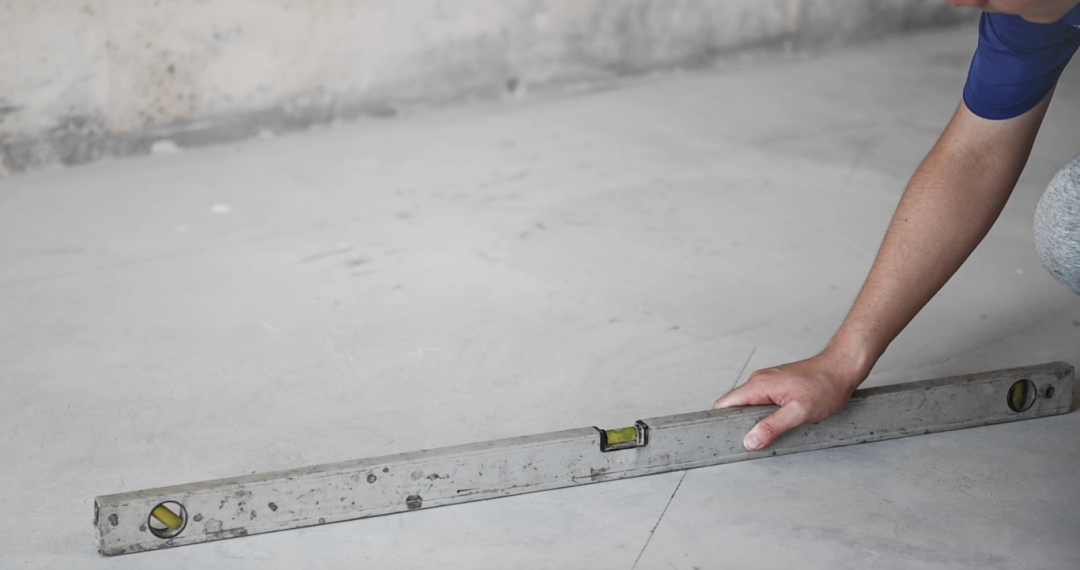
Tip:
Check and level the floor beforehand (e.g., with self-leveling compounds) and choose precision-manufactured panels.
Myth 3: Dry floor heating is hard to install.
Fact:
Quite the opposite. Thanks to its modular design, installation is as simple as snapping panels into place and connecting the pipes. There's no need for screed, which significantly shortens the construction period.
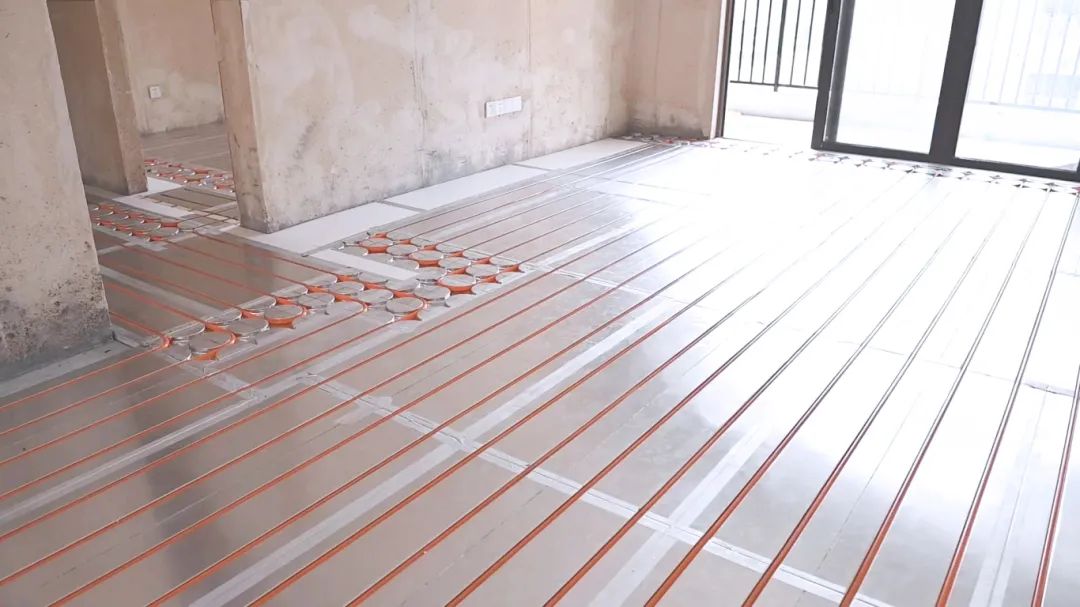
Tip:
With proper floor leveling, installation can be completed in a single day—saving both time and labor.
Myth 4: Dry floor heating only works with wood flooring.
Fact:
Dry floor heating supports both wood flooring and ceramic tiles.
For tiles: use 3cm thick cement mortar or 2cm tile adhesive with mesh reinforcement.
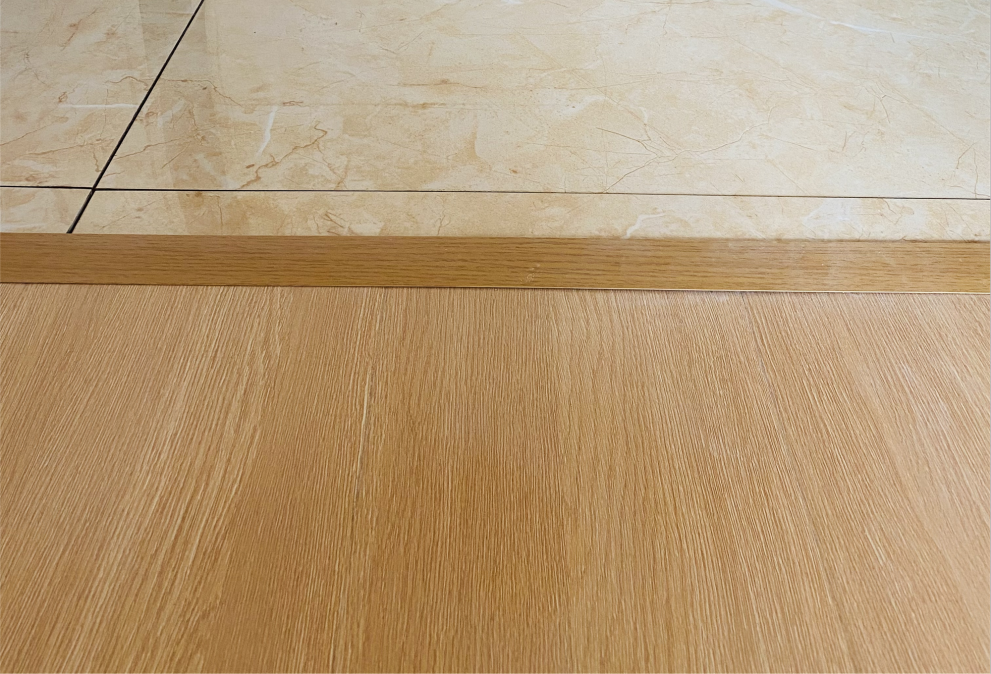
Wood and tile mixed installation is also possible with proper techniques.
Tip:
To mix wood and tile surfaces, use XPS infill boards under the wood flooring to level height differences and improve insulation. Kindly check the below video for reference~~~
Myth 5: Dry floor heating isn't energy-efficient.
Fact:
Dry floor heating has high thermal efficiency. Since the system heats quickly and can be turned off when not needed, it allows on-demand heating. In real-world usage, energy savings of 10–30% are achievable.
Tip:
Install zonal temperature controls for each room to optimize energy use and reduce heating costs further.
Myth 6: Dry floor heating installation is too expensive.
Fact:
Higher upfront cost is mainly due to the use of aluminum heat-diffusion layers and thicker insulation boards (usually 3cm vs 2cm in wet systems). However, it saves on screed and labor costs and significantly reduces energy bills in the long term. Most users recover the investment within 3 to 5 years.
Tip:
Consider both initial and long-term costs. Dry systems may cost more upfront but offer better returns over time.
Myth 7: Dry floor heating isn’t environmentally friendly.
Fact:
Environmental performance depends on the quality of materials:
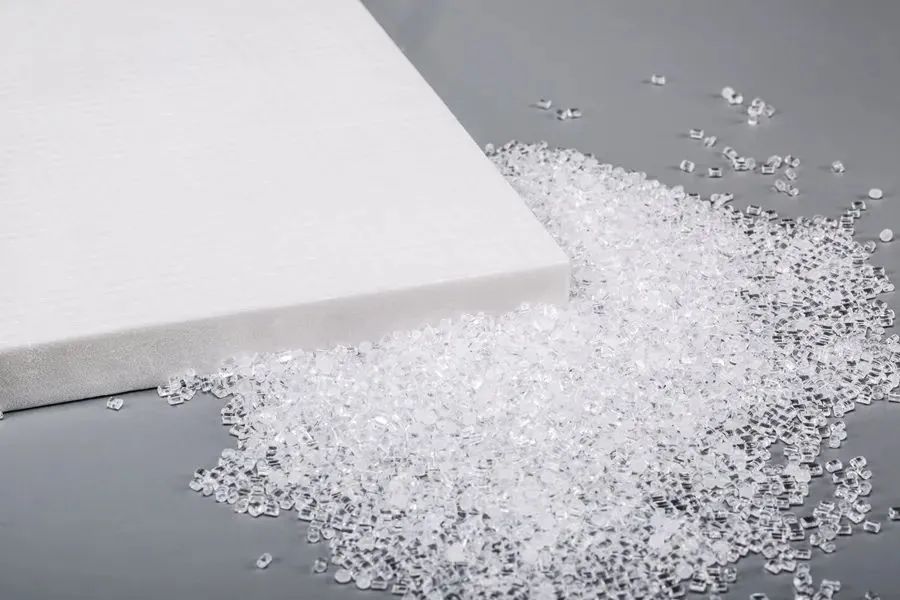
· Only use insulation boards made from 100% brand-new material, not recycled material.
· The bonding adhesive between the aluminum and insulation layers must be non-toxic and eco-certified.
Final Thoughts
Dry floor heating is a mature, efficient, and practical heating method. While it may not offer the subtle thermal comfort of traditional wet systems, it excels in terms of response time, energy savings, ease of installation, and maintenance.
When choosing a floor heating system, consider your specific needs and environment. A well-designed dry floor heating solution could be the perfect fit for modern, energy-conscious living.