Installing Underfloor Heating with Kids at Home? Know This Safety Essential
Having children often makes us much more particular about home renovation.
We check the environmental performance of paint, ask about board materials for cabinetry, look into formaldehyde emissions from flooring, and carefully compare everything from mattresses to curtains.
But when installing underfloor heating, there is one area many parents tend to overlook:
What materials are actually installed beneath the floor?

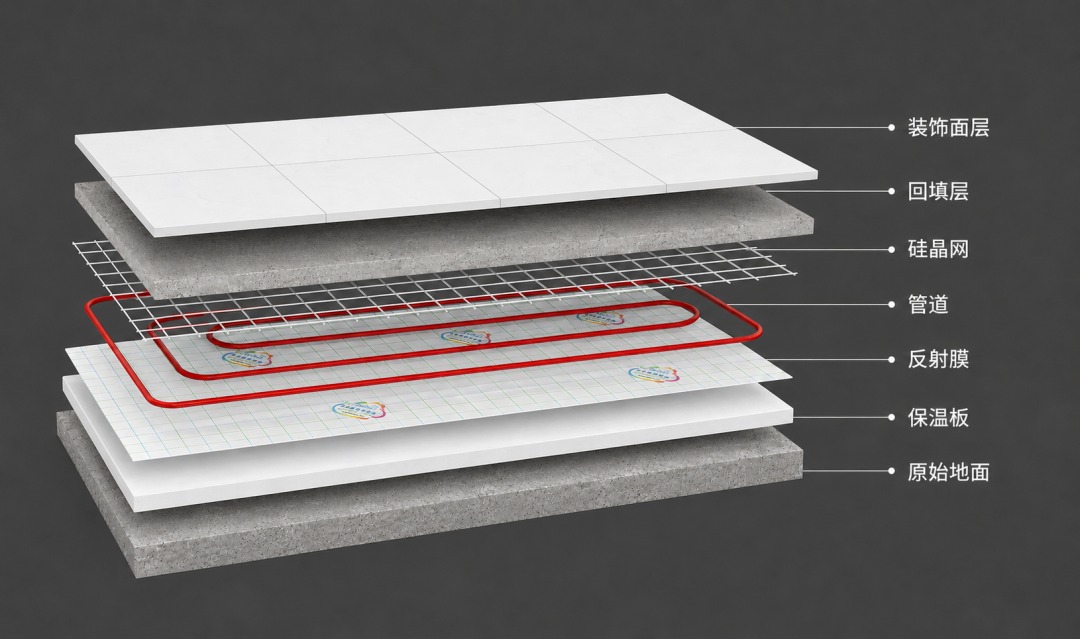
Underfloor heating is an integrated system that includes insulation boards, reflective layers, pipes and other components. Once the installation is complete, these materials are almost completely out of sight—but they may remain beneath your floor for decades.
The less visible something is, the more important it is to make the right choice before installation.
The 2026 XPS Standard: A New Consideration for Underfloor Heating
With the implementation of the latest Chinese national XPS standard, insulation boards used for underfloor heating are now included within its scope, with fire performance becoming a more clearly defined requirement.
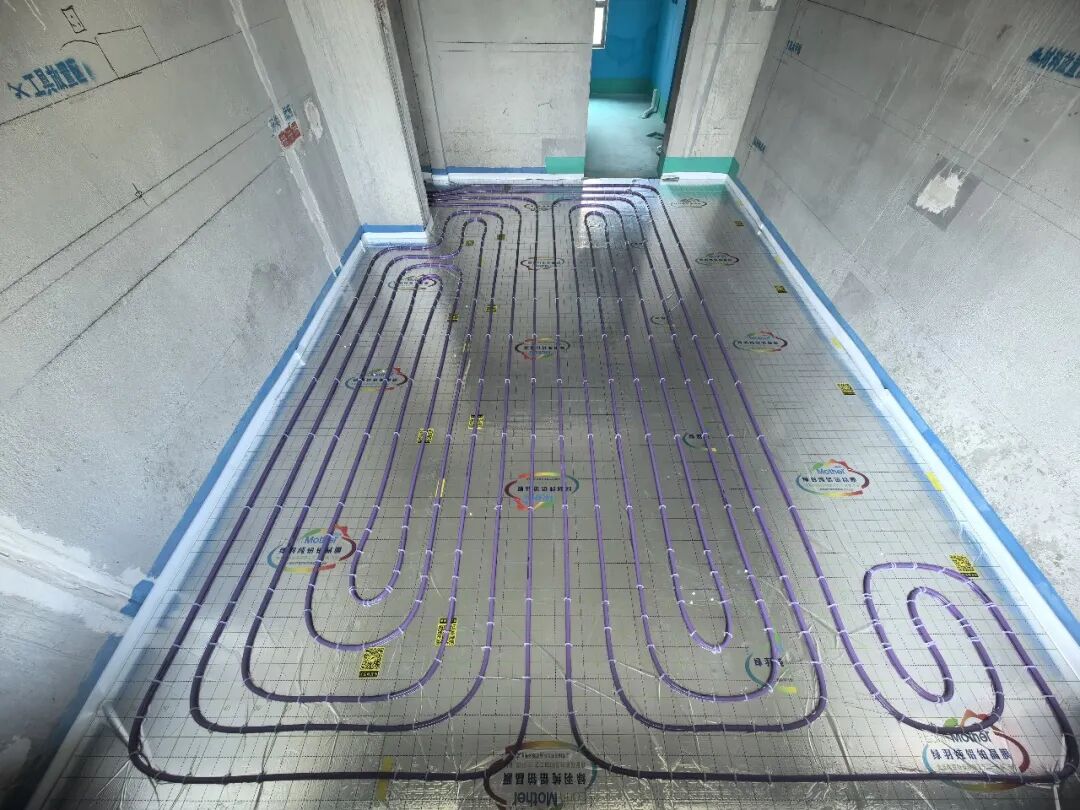
This means that when choosing an underfloor heating insulation board, it is no longer enough to ask whether it provides effective insulation or sufficient compressive strength.
One more question deserves attention:
Does it provide the required fire performance?
This is certainly a positive development.
But for families with children, simply seeing the word “fire-retardant” is not enough. There is another important question that is often overlooked:
Fire-retardant does not automatically mean environmentally preferable.
Fire Performance Is Only the Starting Point—What Makes It Fire-Retardant Matters
Achieving the required fire performance in an insulation board typically involves the use of flame-retardant technology.
HBCD, a traditional flame retardant once used in polystyrene insulation materials, has attracted attention because of concerns related to its persistence and potential migration. Due to its environmental persistence and bioaccumulative properties, HBCD has been regulated under the Stockholm Convention and has been progressively phased out from relevant applications.
For homeowners, this highlights an important point:
When choosing an insulation board, don't just ask “Is it fire-retardant?”
Also ask:
“What technology is used to achieve that performance?”
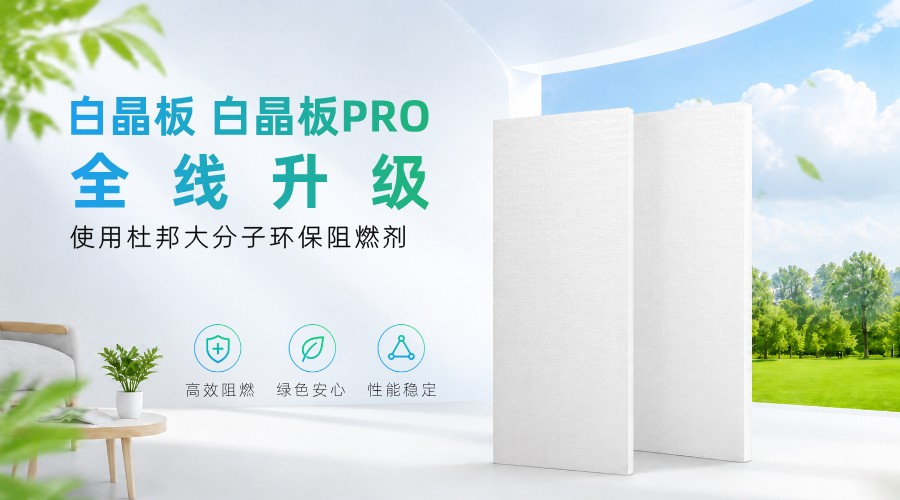
Just as we care about the material of tableware when choosing products for our children, or ask what type of board is used in furniture, the same principle applies to underfloor heating insulation.
Meeting performance requirements is one part of the equation. Material stability and environmental performance over long-term use deserve equal consideration.
Why DuPont's Polymer-Based Flame-Retardant Technology?
One concern associated with some conventional small-molecule flame retardants is their potential to migrate or leach from materials over extended periods of use.
DuPont's polymer-based flame-retardant technology uses a larger molecular structure to improve the stability of the flame retardant within the material, helping reduce the potential for migration and leaching.

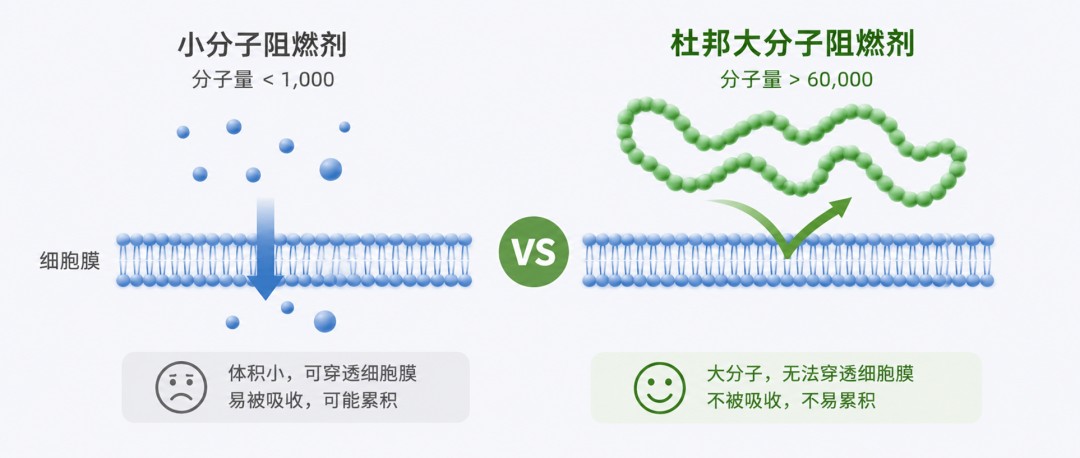
In other words, the goal is not simply to achieve the required fire performance, but also to take long-term material stability and environmental considerations into account.
DuPont's polymer-based environmentally preferable flame-retardant technology is also supported by the Nordic Swan Ecolabel, providing an additional reference point for environmental performance.
For homeowners, there is one principle worth remembering:
Good fire performance should never come at the expense of environmental responsibility.
Especially in homes with children, underfloor heating insulation boards can remain beneath the floor for many years—often decades.
Rather than focusing solely on whether a product is labeled “fire-retardant,” it is worth considering the flame-retardant technology behind the product and its long-term material performance.
3 Things to Look for When Choosing Underfloor Heating Insulation
If you are renovating your home—especially a family home with children or elderly family members—consider these three points when selecting underfloor heating insulation:
1. Check the raw material
Prioritize products made with 100% virgin raw materials, rather than recycled materials that may introduce additional concerns regarding material composition and emissions.
2. Check the fire performance
Fire performance has become an important requirement for underfloor heating insulation boards. For residential applications, make sure the insulation board meets the applicable B2 or higher fire-performance requirement.
3. Check the flame-retardant technology
Meeting the required fire-performance level is only part of the story. Also look at what flame-retardant technology is used and whether the flame-retardant system has been developed with environmental considerations in mind.
In home renovation, the most important choices are often the ones you will never see.
Every winter your child spends playing on the floor is worth thinking about long before the floor is installed.
Sometimes, making a safer choice starts with asking one more question and taking one closer look.