Poor installation can ruin the comfort of underfloor heating before it even begins. From careless workmanship to incorrect construction details, these common mistakes can seriously affect long-term performance and durability.
For many homeowners, the first underfloor heating installation becomes a stressful experience rather than a comfortable upgrade. Material substitution, rough workmanship, and unprofessional installation practices are still common on-site issues.
Here are several real homeowner cases and practical recommendations to help avoid costly mistakes and ensure a reliable underfloor heating system.
1. How Should Electrical Conduits Be Handled?
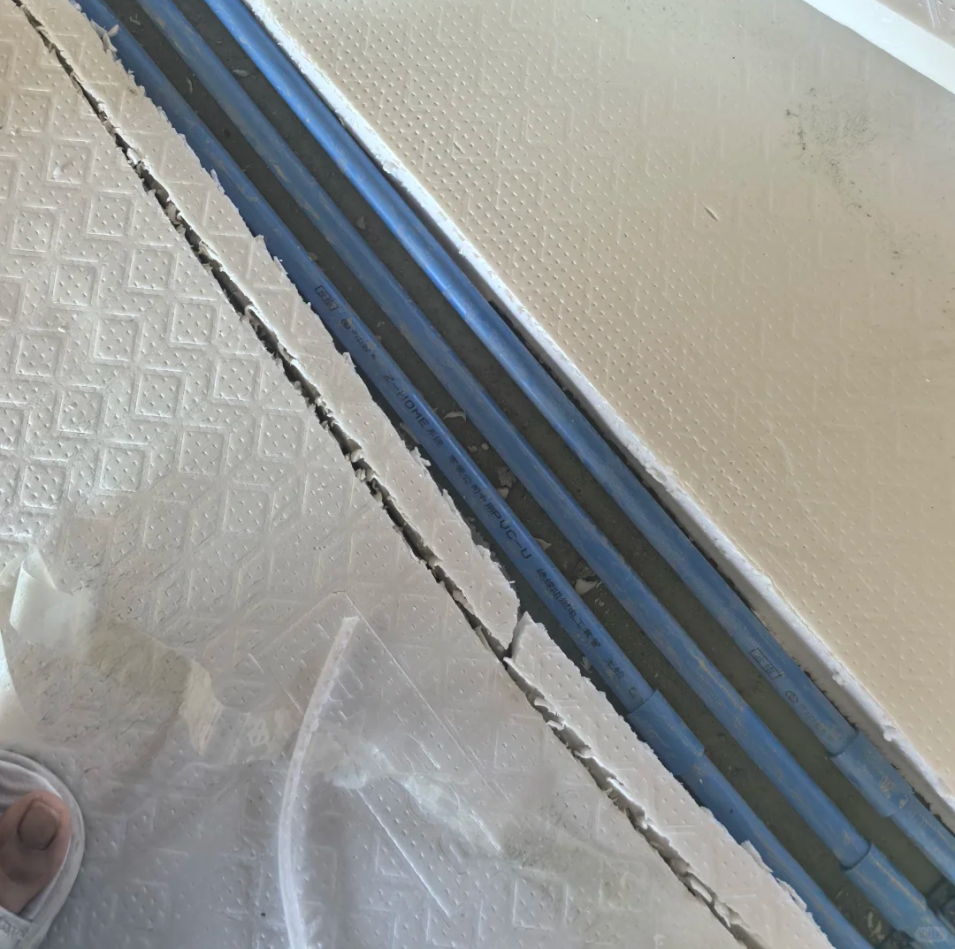
The electrical conduits were not recessed into the floor, leaving large gaps beneath the insulation layer. The installer insisted it was “good enough” and said there would be no issue.
Recommendation:
Gaps around conduits should be filled with expanding foam to reduce heat loss, and thermal bridge insulation strips should be added over the surface. If floor height allows, installing an additional full layer of insulation boards is a more reliable solution.
2. Unauthorized Changes on Site
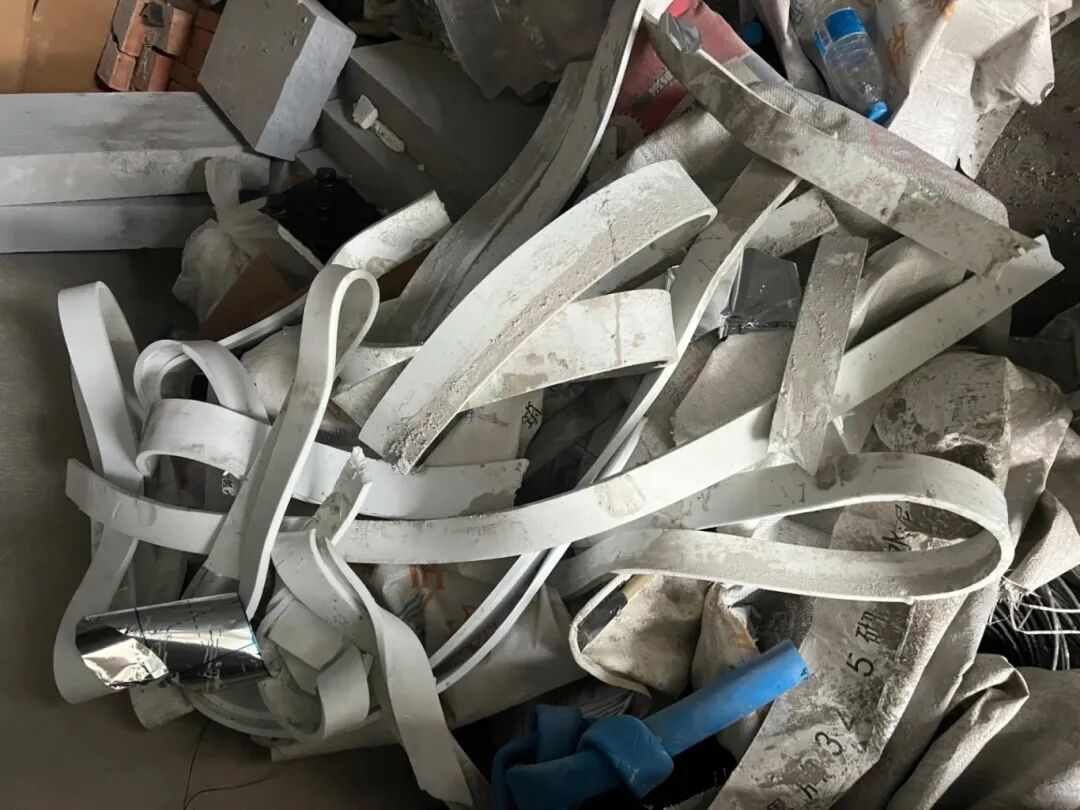
One tiler thought the edge insulation strip was “in the way” and removed it completely without permission, claiming it made tiling easier. The homeowner’s purchased materials were wasted entirely.
Important:
Edge insulation strips are essential components of an underfloor heating system. They help reduce heat transfer into surrounding walls while also absorbing expansion stress from the screed layer.
If the strip remains slightly exposed after screeding, the excess height should simply be trimmed — never removed entirely.
3. Problems During Screeding
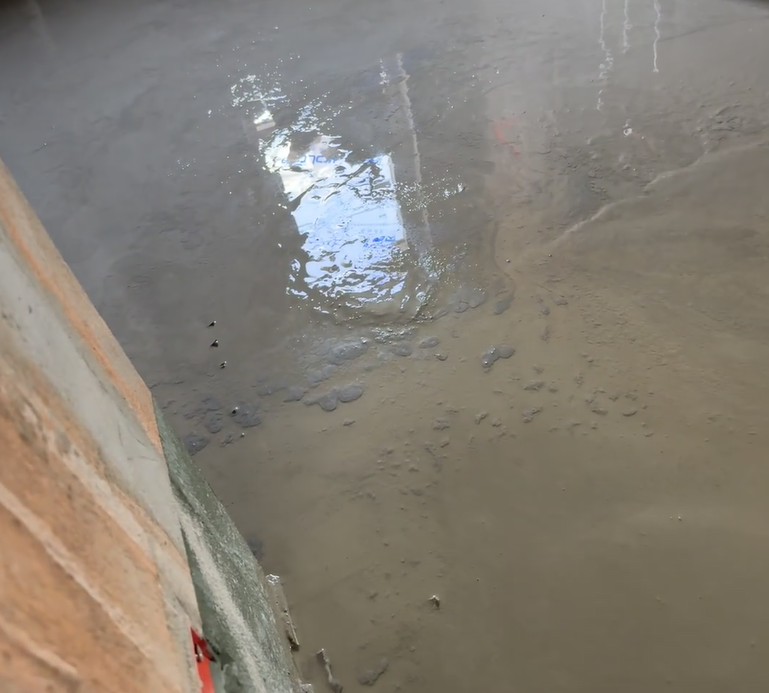
The screed material was not mixed properly, and the thickness was inconsistent. Everything sounded professional before the job started, but once issues appeared on site, the contractor stopped responding.
Recommendation:
The screed shown in the photo displays clear signs of water separation, usually caused by insufficient mixing or excessive water addition. Poorly mixed screed can later result in weak surface strength and dusting problems.
Underfloor heating screed should always follow the correct material ratio, be mixed thoroughly in containers, and only then be poured onto the floor.
4. “Something Feels Wrong”
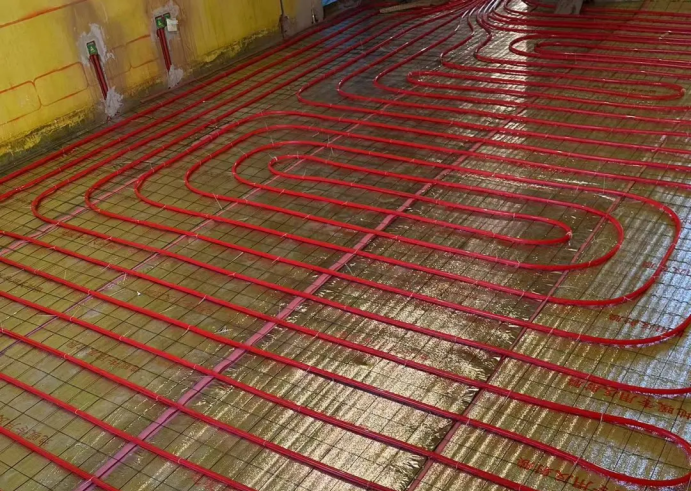
The homeowner noticed that edge insulation strips were only installed along external walls. The installer claimed internal walls did not require them. Is that correct?
Recommendation:
Edge insulation strips should also be installed along internal walls. They help minimize heat loss into wall structures and absorb expansion stress from the heated screed layer, reducing the risk of floor cracking over time.
5. Another Screeding Problem
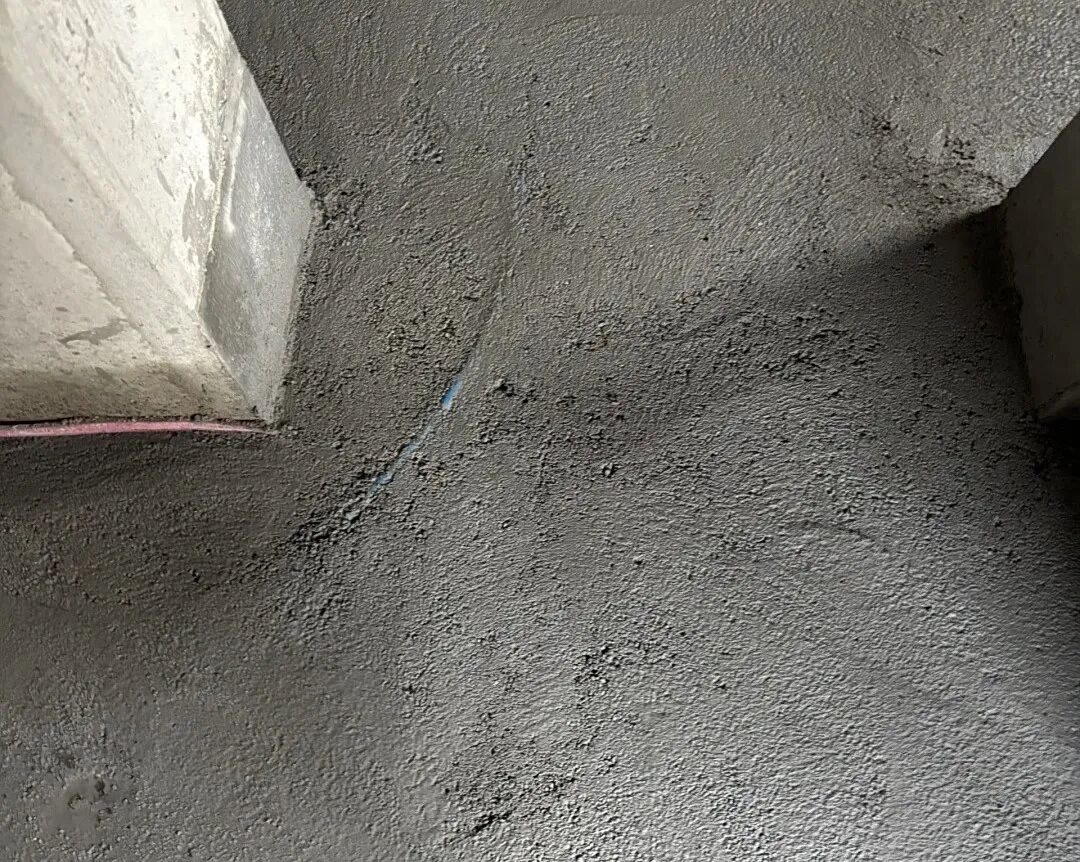
After screeding, the floor surface became uneven, and some heating pipes were still partially exposed. In one area intended for cabinetry, no screed was applied at all. How should this be corrected later?
Recommendation:
A standard screed layer should generally cover the pipes by approximately 10 mm. In this case, the screed thickness is clearly insufficient.
If thin-bed tile installation is planned later, an additional leveling layer of around 20 mm is recommended to achieve a proper finish.
6. “The Installation Looks Messy”
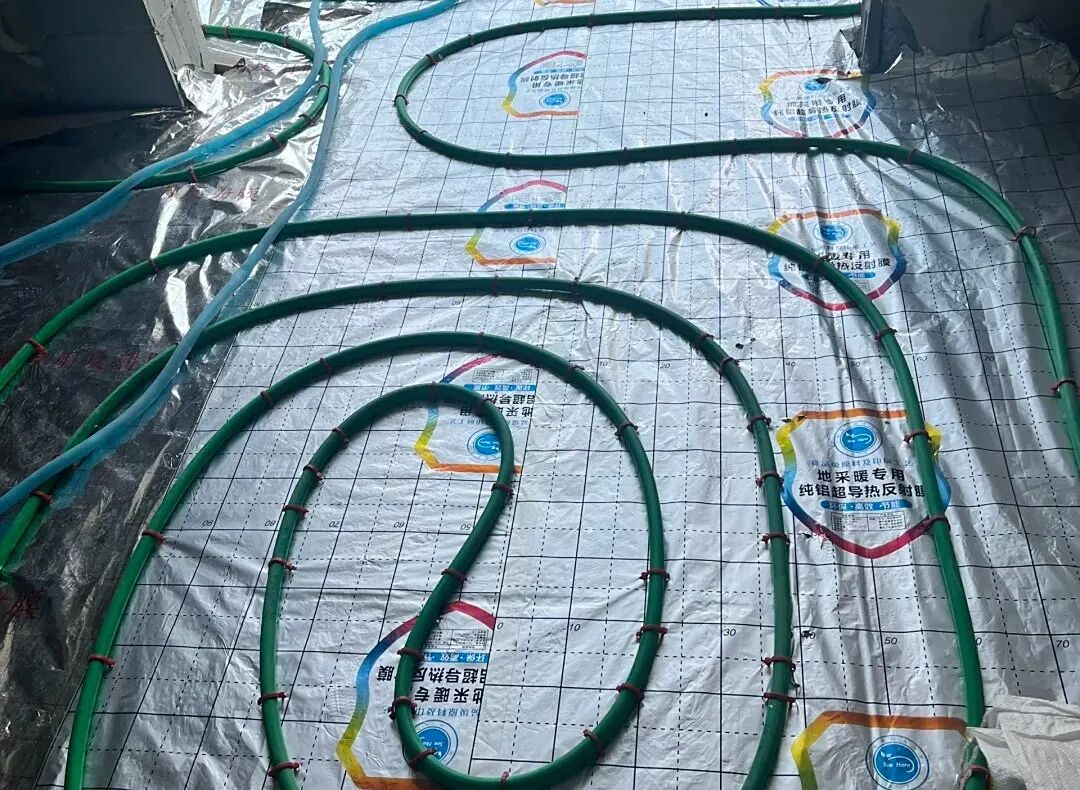
The homeowner felt the pipe layout looked careless compared to examples seen online. Pipe spacing appeared uneven and inconsistent.
Recommendation:
The pipe distribution is visibly irregular, with inconsistent spacing between loops. This can easily lead to uneven floor temperatures during operation.
Different pipe diameters require specific spacing standards, and installation should always follow professional design and construction guidelines.
Final Thoughts
For first-time homeowners, paying extra attention during installation is always worthwhile. Problems caused by poor materials or incorrect workmanship are difficult — and expensive — to fix later.
A properly installed underfloor heating system should deliver long-term comfort, efficiency, and peace of mind, not ongoing frustration.