How Young People Choose Underfloor Heating: Dry Underfloor Heating as the New Favorite
In recent years, more young homeowners and renovation projects have chosen dry underfloor heating as their heating solution. Behind this trend lies the fact that dry underfloor heating uniquely meets modern families' needs for comfort, convenience, and energy efficiency. Let's explore why.
Three Key Advantages of Dry Underfloor Heating
1. Maximized Ceiling Height, More Spacious Interiors
Dry underfloor heating requires no screed, significantly reducing the impact on floor height and creating a more open living space—ideal for homes with limited ceiling height.
2. Instant Heating, Flexible Use
Unlike traditional underfloor heating that requires long preheating times, dry underfloor heating heats up instantly and can be turned off anytime, much like an air conditioner, providing a more convenient and efficient warmth experience.
3. Energy-Saving and Cost-Effective
With excellent heat conductivity, dry underfloor heating improves energy efficiency. Users can also optimize their heating habits to lower energy consumption and significantly reduce their monthly heating bills.
Four Reasons Why Dry Underfloor Heating is Ideal for Renovating Old Homes
During home renovations, traditional underfloor heating often faces challenges such as structural load limitations and floor height constraints. Dry underfloor heating provides a perfect alternative with its many benefits:
- No Structural Load Concerns: Without the need for screed, the overall weight is significantly reduced, making it suitable for various building structures.
- Quick and Easy Installation: With a shorter construction cycle and minimal floor damage, it offers a fast upgrade to your home.
- Seamless Aesthetic Integration: Hidden installation ensures that no living space is occupied, enhancing the overall aesthetic.
- Rapid Heating Performance: Instant heat-up eliminates long waiting times in winter, offering a more comfortable experience.
When the pursuit of a high-quality lifestyle meets the challenges of old home renovations, dry underfloor heating becomes the perfect solution.
Real Case: A Freelance Photographer's Cozy New Home
Project Overview
- Project Name: Minhang Qingshan Road Dry Underfloor Heating Project
- Underfloor Heating Materials: Earthmother EZ300Pro Lightweight Aluminum Panels
- Installation Area: 90 square meters
- Renovation Type: Old Home Renovation
Installation Process
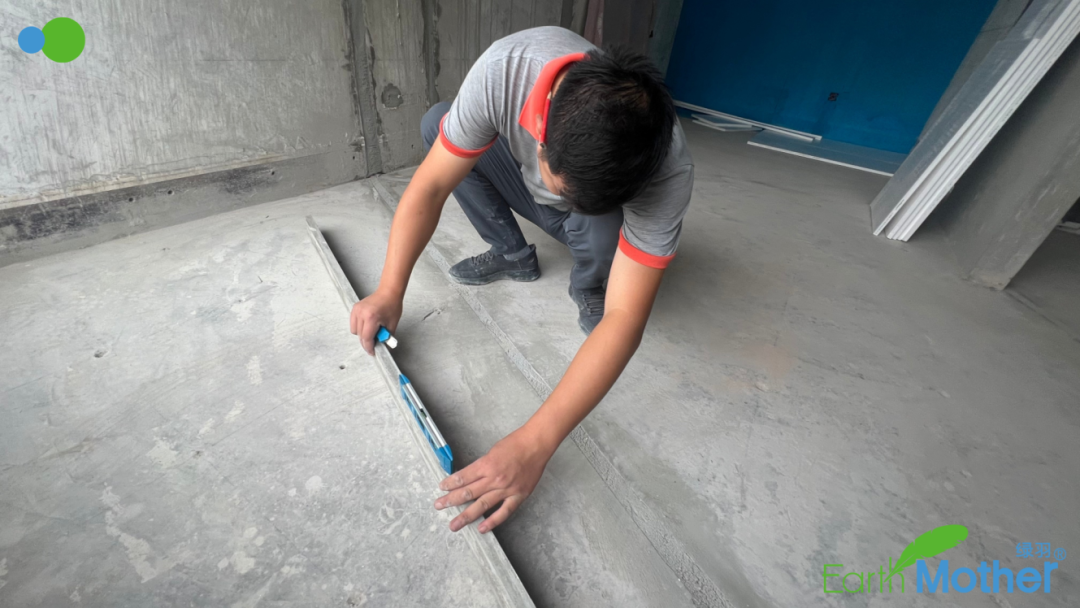
1. Assess Floor Leveling: Measure the original floor level to ensure the height difference within 2 meters does not exceed 3mm. If necessary, leveling is required.
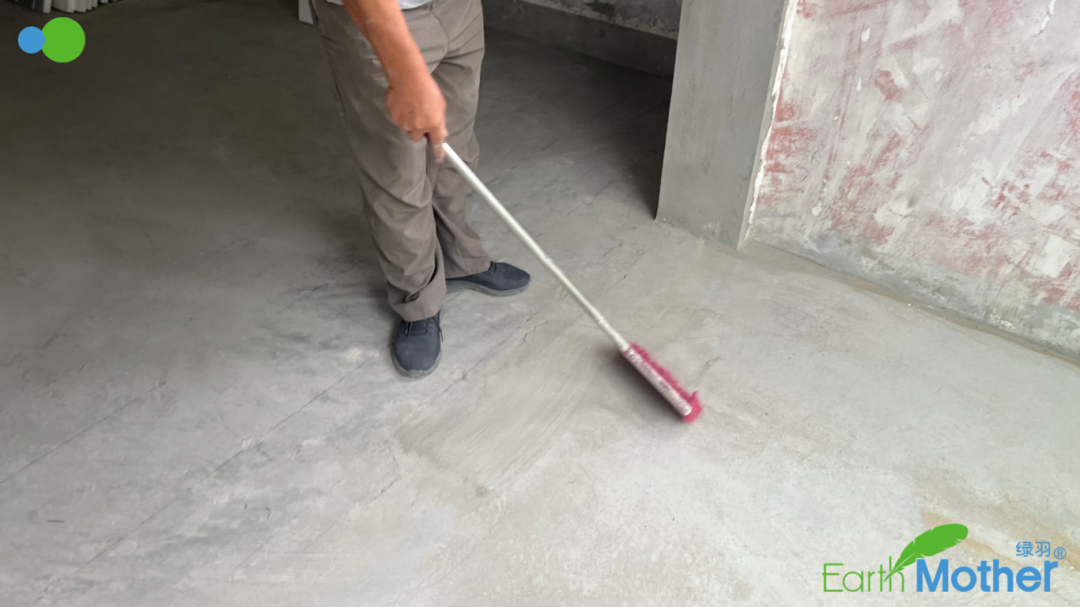
2. Clean the Floor: Ensure the surface is clean and free of dust and debris.
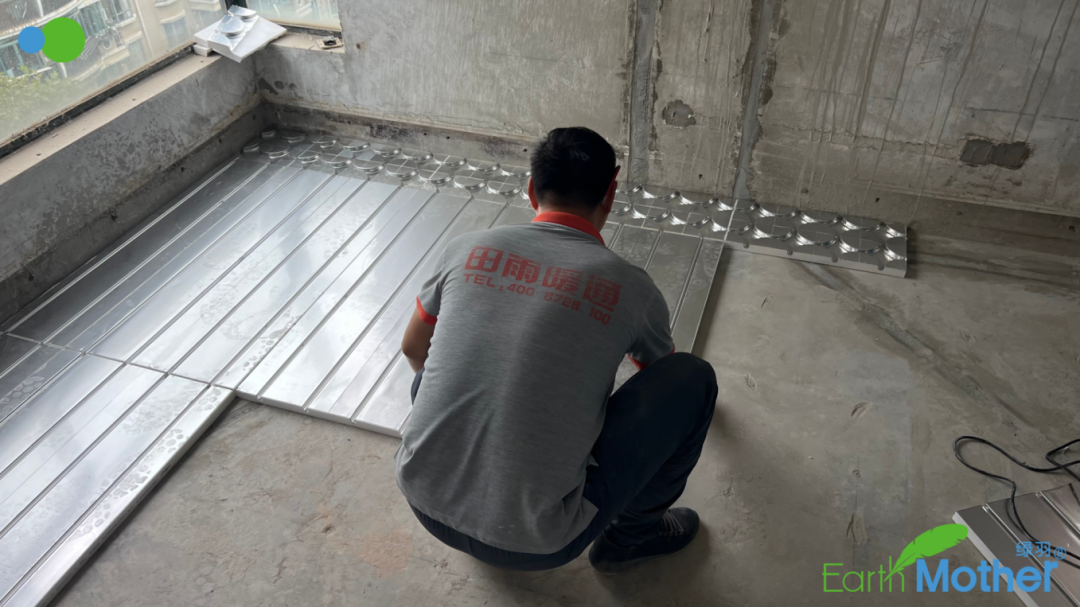
3. Lay Lightweight Aluminum Panels: Install EZ300Pro panels from the outer edges inward, ensuring precise alignment.
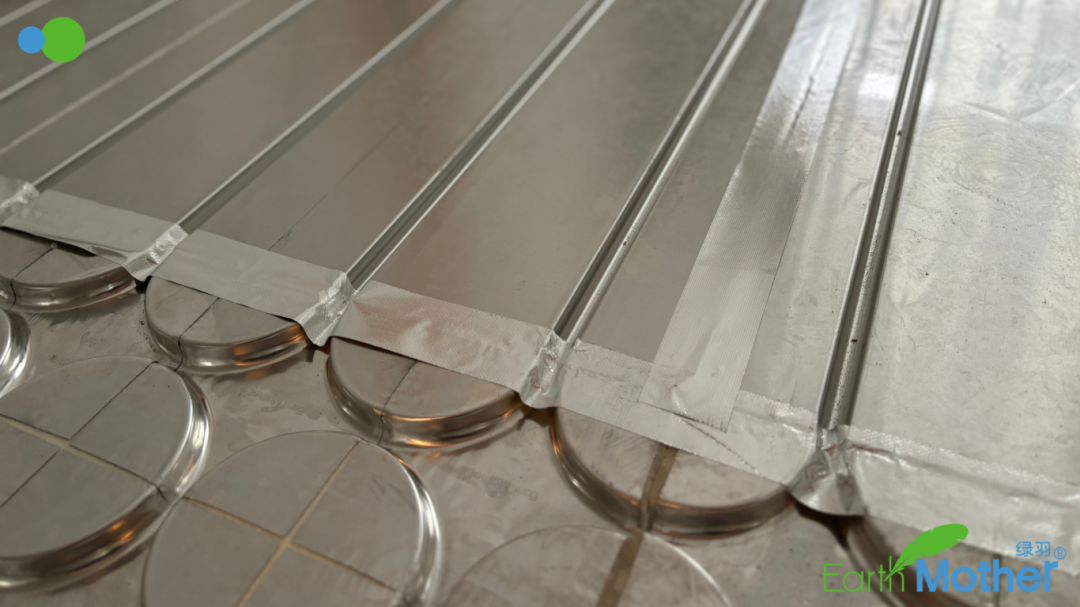
4. Seal Panel Joints: Use fiberglass aluminum foil tape to secure panel joints and prevent friction-induced movement.
5. Space Optimization: Avoid placing pipes under wardrobes and kitchen cabinets, replacing these areas with high-compression XPS boards.
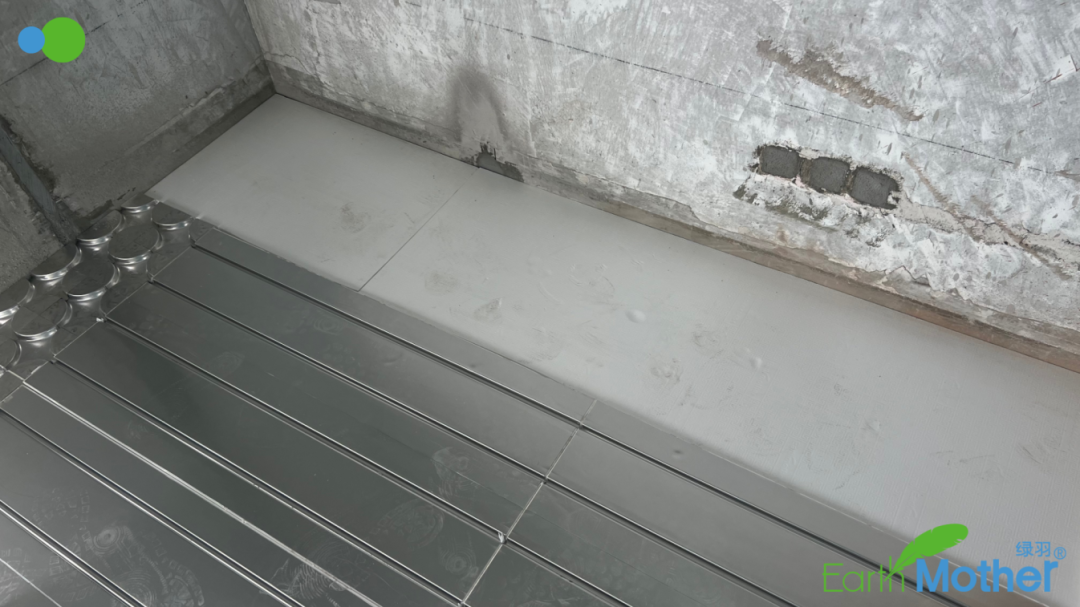
6. Surface Cleaning: Ensure pipe grooves and panel surfaces are free of debris.
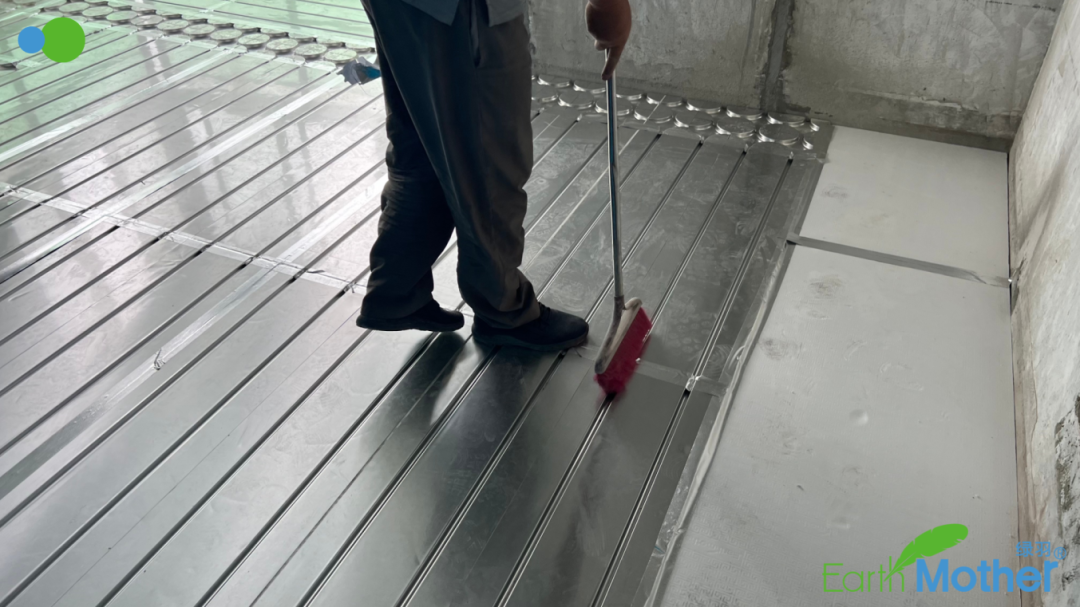
7. Install Double-Circuit Layout Pipes: Enhancing heat diffusion for a more uniform heating experience.
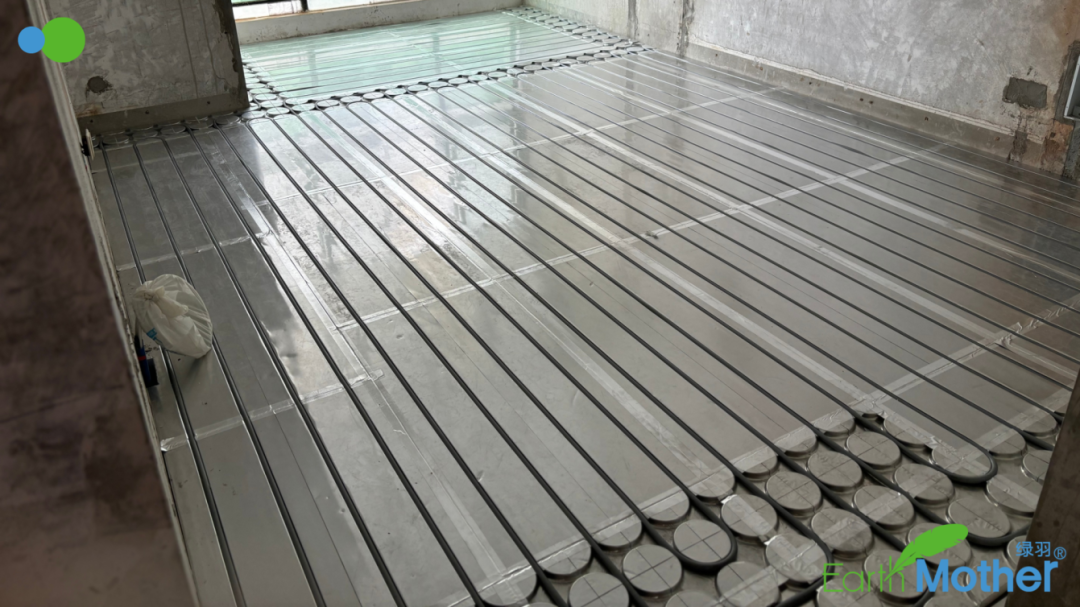
Special Considerations
- Kitchen Tile Installation: 1cm XPS boards were used for wet installation to maintain a consistent floor height.
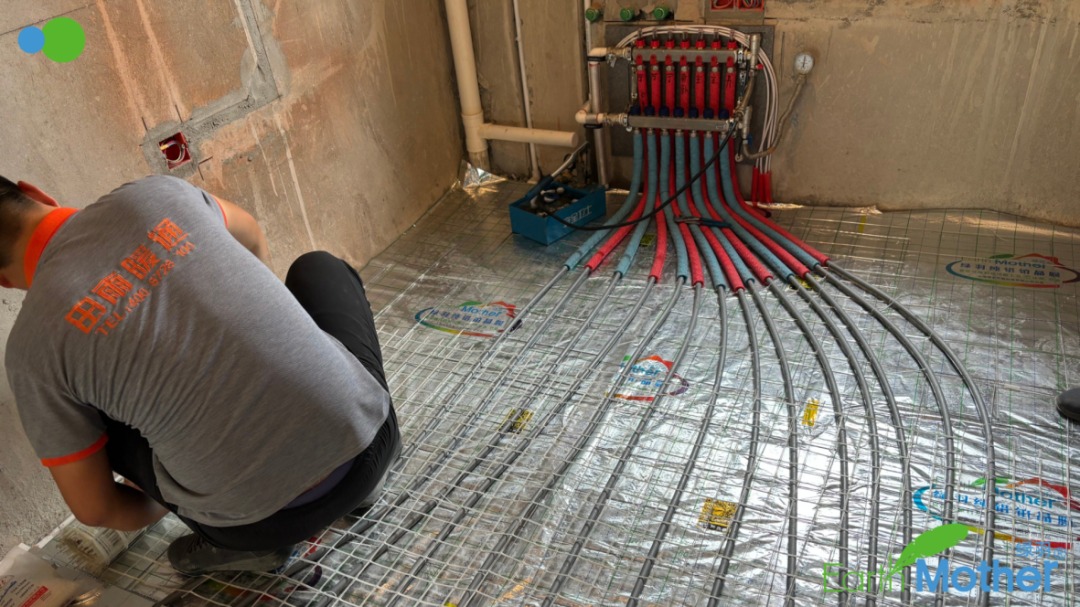
- Thermal Insulation for Dense Pipe Areas: Thermal insulation pipes were applied to concentrated pipe sections under the water manifold.
Modern young homeowners no longer follow traditional home renovation formulas; instead, they focus on balancing personalization with rational decision-making. Dry underfloor heating, with its slim profile, instant heating, and energy efficiency, is quickly becoming the go-to choice for young homeowners and old home renovation projects. If you're looking for an efficient and comfortable heating solution, dry underfloor heating might be the perfect answer.