How to install dry underfloor heating in a house with wooden and tiled floors? Construction video included
‘Why not choose dry underfloor heating?’
‘Because it can't be wet tiled, the HVAC company said you have to put wood flooring throughout the house above the dry underfloor heating, but I just like the idea of having tiles in the living room and wood flooring in the bedrooms. So it's out of the question.’
This is what a homeowner mentioned in a recent conversation with him as a reason for dropping the option of dry underfloor heating. Is it true that dry underfloor heating can't be installed with tiles? Today, we'll give you some insight.
01 Is dry underfloor heating expensive and wet tiling not cost effective?
The flooring materials for dry underfloor heating are expensive, around three times more expensive than traditional wet underfloor heating. ‘It defeats the purpose of having such an expensive product to do the same as wet. So wouldn't choose a dry product for wet tiling.’ Many people think like this.
Earthmother is here to tell you that this idea is ‘immature’. Compared with the wet floor heating, dry floor heating price is high mainly because of the heat dissipation aluminium layer is expensive, coupled with 3cm high compression resistant extruded foam board than 2cm board thickness is 1cm thick, compression 50kpa higher, so the overall cost increases.
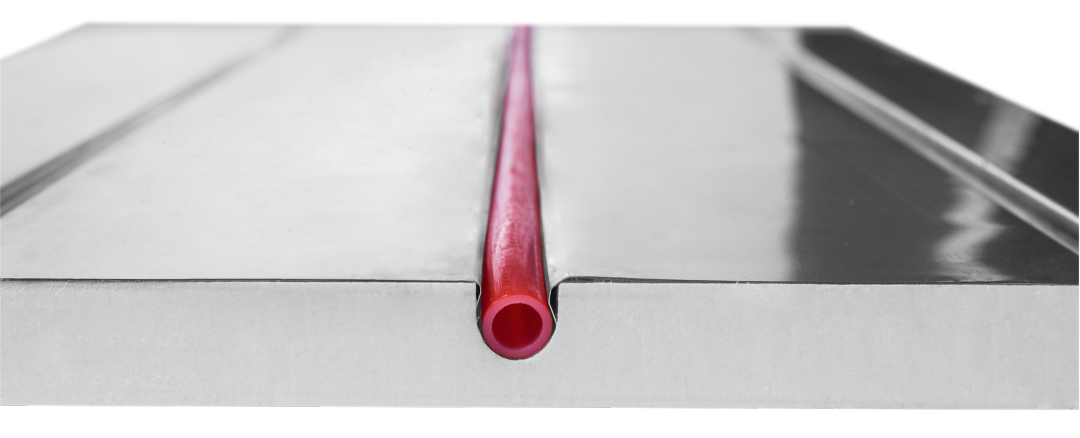
It is this difference that makes dry underfloor heating better thermal performance and able to diffuse heat upwards and evenly than the traditional wet underfloor heating. For tiling over dry underfloor heating, only required 3cm dry mix or cement mortar.
Experiments have shown that the dry heat-up time for tiling is 60 to 80 minutes, which is much faster than the four to five hour warm-up time for wet underfloor heating. Such a heat-up time can be on when needed, off when not needed, do not have to turn on for a long time like the wet floor heating.
02 Aluminium plate corrosion & poor heat dissipation?
After wet laying of dry floor heating, will it cause corrosion of the aluminium plate, leading to a decrease in the ability to dissipate heat and even heat? This is a problem that many consumers are worried about, after all, cement mortar products are alkaline, in direct contact with the dry product aluminium plate, it will corrode the aluminium plate, forming black oxide on the surface of the aluminium plate, affecting heat dissipation.
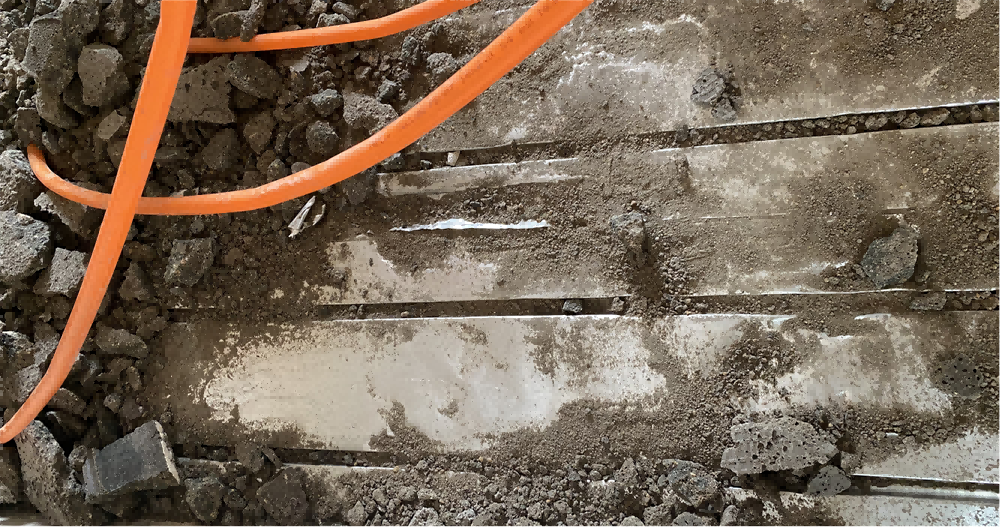
In fact, consumers are right to be concerned. It is true that corrosion can occur when aluminium panels come into direct contact with the cement mixture. However, the surface of the current high-quality dry underfloor heating aluminium panels will be made antioxidant nano-coating, which avoids corrosion without affecting the heat dissipation.
03 How to deal with room height differences?
Generally wet and dry mixed pavement room, bedroom and living room will have height difference, with cement levelling construction is very troublesome. And the amount of cement and yellow sand is large, so the price is not cheap. Some people think that ‘to solve the problem of height difference, we can only backfill the entire room, make up for the height difference and then put on the wood flooring.’
This is also true, but the room doesn't need to be levelled and raised when using a dry panel for a wet/dry mix.
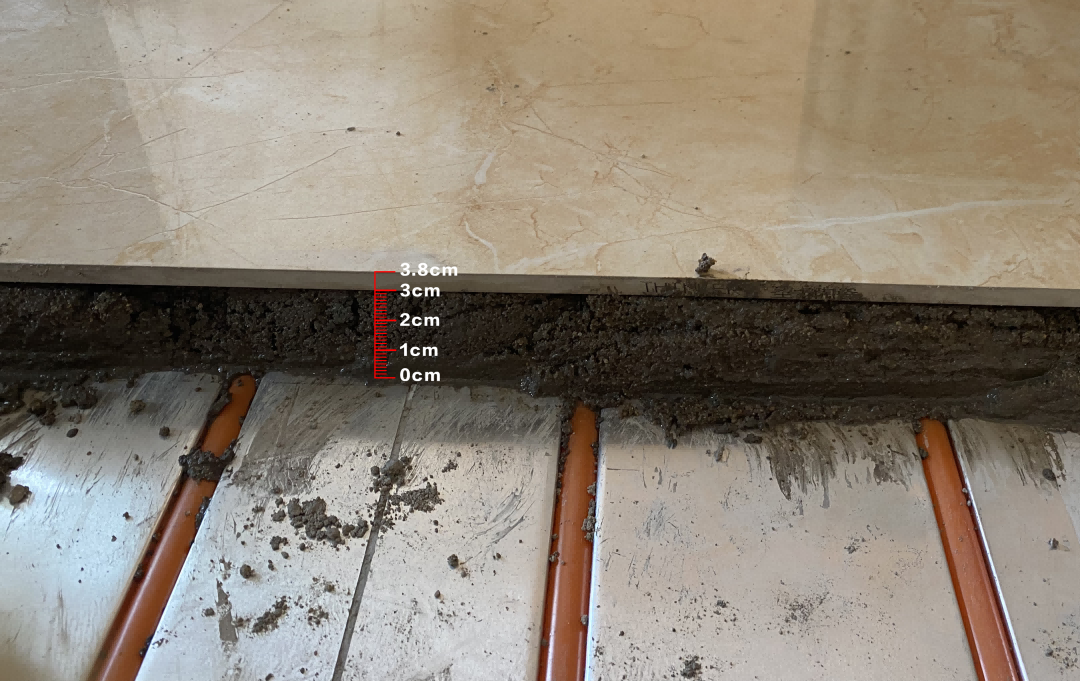
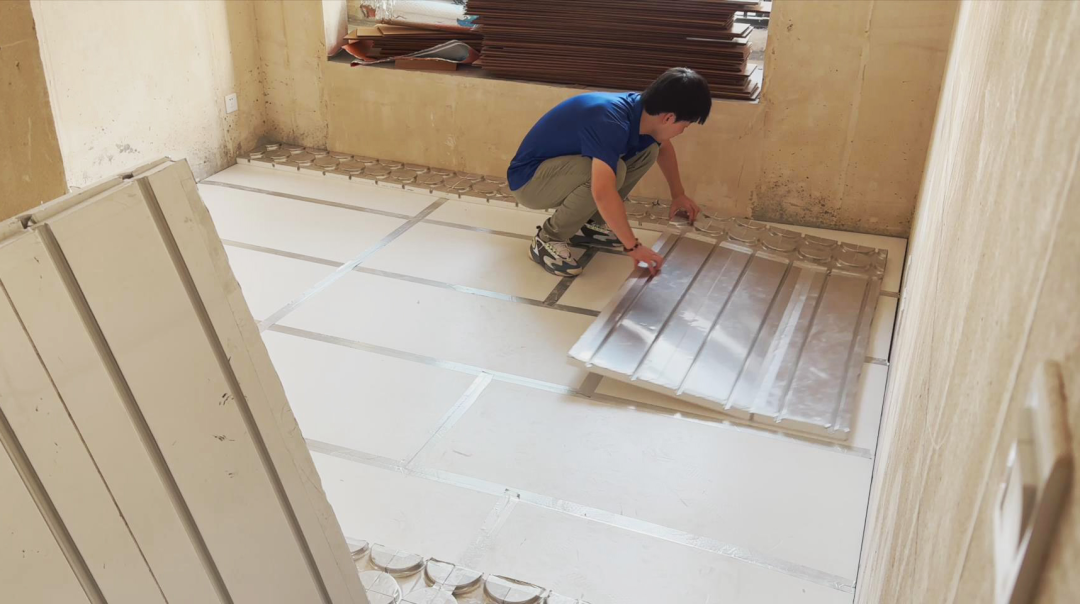
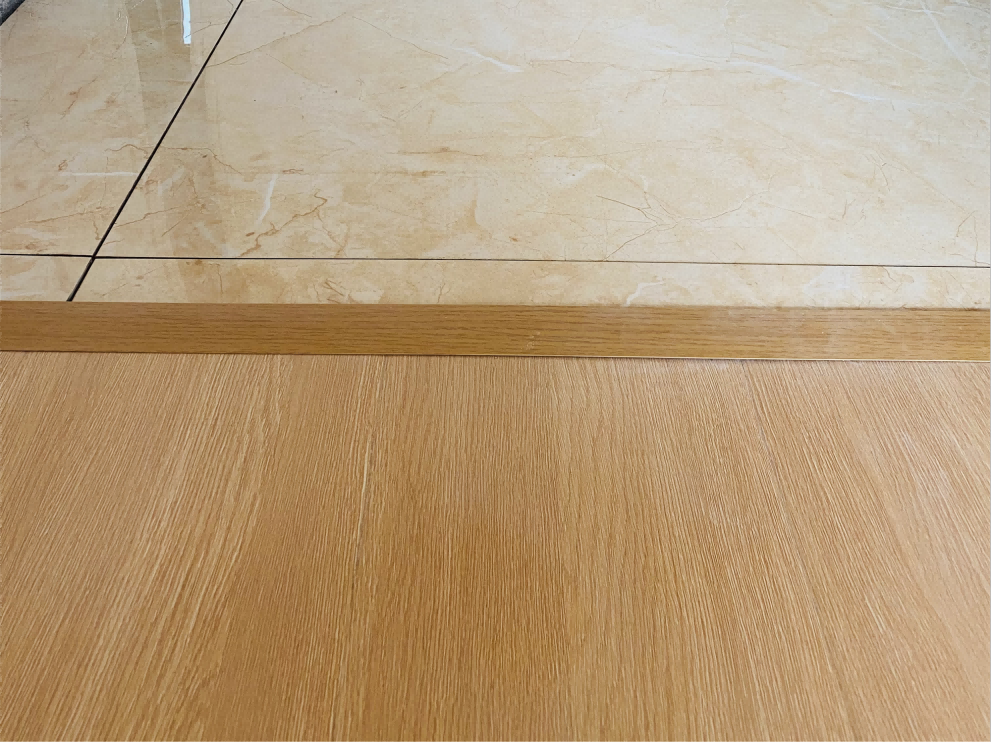
The proposed programme is: wet tiling thickness control in 3cm, so that paving wood flooring bedroom height will be 3cm lower, then we can lay a 3cm high compression-resistant XPS board in the bedroom as a lift to the upper floors, so that both heat preservation and cost savings, construction is also more convenient. Here you need to pay attention to is the XPS board and above the dry laying to cross, not parallel laying.
04 How is the junction handled?
The builder said, ‘The pipe will span 3cm in height from the tiles in the living room to the wooden floor in the bedroom, will that be a problem?’In fact, there is no need to worry, you can pave the junction of 6cm height keel, open oblique groove over the pipeline. It can also be directly across the top, the junction is directly filled with cement and tiled.
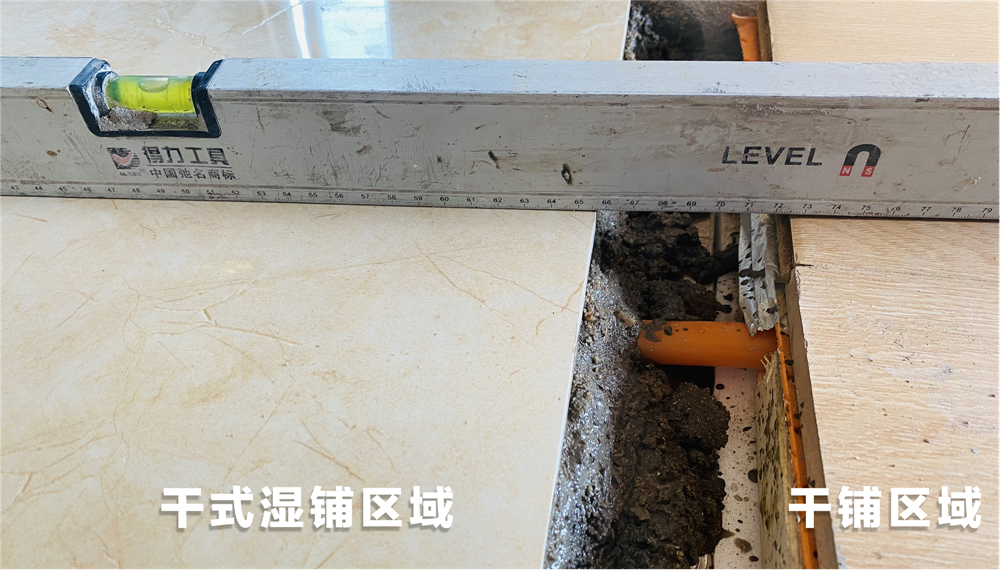
It is important to note here that the two areas must be kept level, so put a Spirit Level before tiling, set the height and control the thickness of the backfill.
Below is a complete, professional dry underfloor heating construction for you, as well as a video of the construction process for wooden floor and tile mixing, which you can use as a reference when installing.
05 Is it worth it to do dry underfloor heating with wooden floor and tile mixing?
Many people feel that the cost of underfloor heating is more than 1,500 or even 2,000 yuan a month, so they can't afford to install it. Meanwhile, the floor heating can not be turned off once turned on. It's a waste to leave the underfloor heating on when you're not at home.
In fact, according to years of industry experience, as long as the house insulation is done well, for an ordinary 80 square metres of heating area, the cost is 800 ~ 1200 yuan per month.
If you use dry underfloor heating, you can save about 30 per cent of energy consumption which is turned on when you needed, plus with better insulation and faster heat dissipation.
Around 80 square metres of heating area, dry floor heating can achieve heating costs in 600 ~ 1000 yuan / month. Who doesn't love this kind of energy-saving and comfortable heating?