Electric Underfloor Heating FAQs: Everything Homeowners Want to Know
With growing interest in electric underfloor heating (EUFH), many homeowners have been reaching out with questions. We've found that a lot of people still hold common misconceptions about this modern heating solution. In this article, we’ll answer the most frequently asked questions to help you understand EUFH better and make informed decisions.
1. Does electric underfloor heating emit radiation?
Radiation is one of the most common concerns among users. While EUFH does produce electromagnetic fields, the frequency is well below 50 Hz — far below the thresholds defined as harmful according to the GB 9175-88 Environmental Electromagnetic Wave Hygiene Standard. Additionally, shielding layers in the cables, outer insulation, cement, and flooring materials further reduce the electromagnetic field intensity. In short: the radiation is minimal and harmless to humans.
2. Is there a risk of electric leakage?
Just as water-based systems might raise concerns about leaks, EUFH users sometimes worry about electrical safety. However, when using certified, high-quality electric heating systems from reputable brands, the risk of electric leakage is extremely low and nearly nonexistent.
3. Is electric underfloor heating expensive to run?
EUFH generates heat using electricity, so it consumes power — but that doesn’t necessarily mean high bills. In fact, the cost difference between electric and gas-based systems (like hydronic heating) is often overestimated. While some regions offer subsidies for natural gas, making it appear cheaper, actual operating costs depend on local electricity prices and the thermal insulation of your home.
The most significant factor in energy efficiency is not the heating system itself, but how well your home retains heat — especially the quality of floor and wall insulation.
4. Is electric underfloor heating more drying than water-based systems?
No. Both electric and hydronic systems heat rooms by warming the floor surface and radiating heat throughout the space. Neither system introduces or removes moisture from the air. Perceived dryness is usually related to room humidity levels and surface temperature settings, not the type of heating. A humidifier can help maintain comfortable humidity levels during winter.
5. What’s the difference between electric and hydronic underfloor heating?
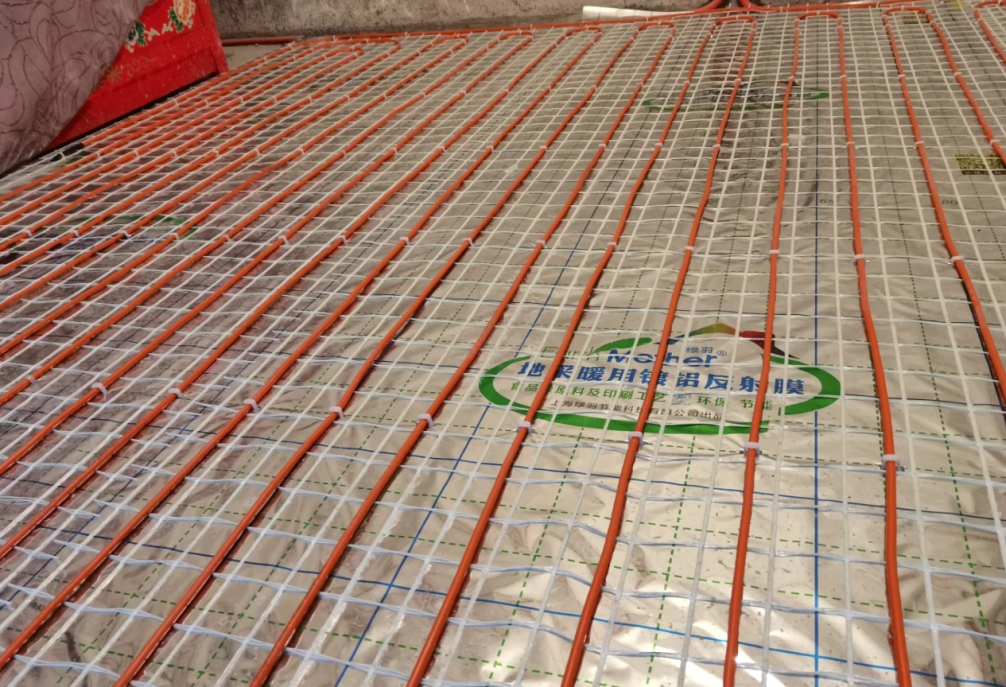
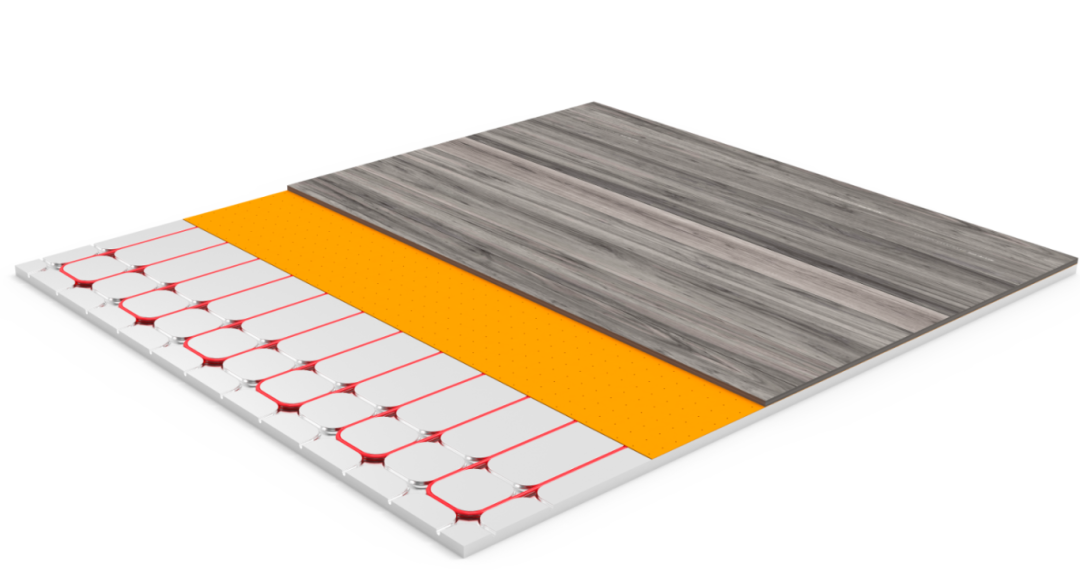
While both systems heat from the floor up, EUFH uses heating cables or films, whereas hydronic systems circulate warm water through pipes. Electric systems are typically easier to install and maintain, especially for small or localized areas.
| Item | Electric Underfloor Heating | Water Underfloor Heating |
| Application | Small spaces, partial renovations | Large areas, continuous use |
| Comfort | Comfortable heating | Comfortable heating |
| Maintenance Level | Low, virtually maintenance-free | Maintenance every 2–3 years |
| Domestic Hot Water | Not available, water heater required | Can also provide domestic hot water |
6. Can electric underfloor heating trip the breaker?
Yes, it’s possible. EUFH adds load to your home’s electrical system. If your circuit breaker has a low capacity or your wiring is outdated, it may trip during peak usage. Before installation, it’s essential to assess your home’s electrical load and consult your utility provider if an upgrade is needed.
7. What room sizes are suitable for electric underfloor heating?
EUFH is highly flexible and suitable for nearly all layouts — especially ideal for:
- Small apartments or partial heating (e.g., bedrooms, children’s rooms, studies, home offices).
- Homes with low ceiling heights (installation thickness is just 3–5 cm).
For areas under 50 sqm, EUFH is often more cost-effective than hydronic systems. As the space increases, the cost advantage of EUFH diminishes.
8. Is graphene underfloor heating just hype?
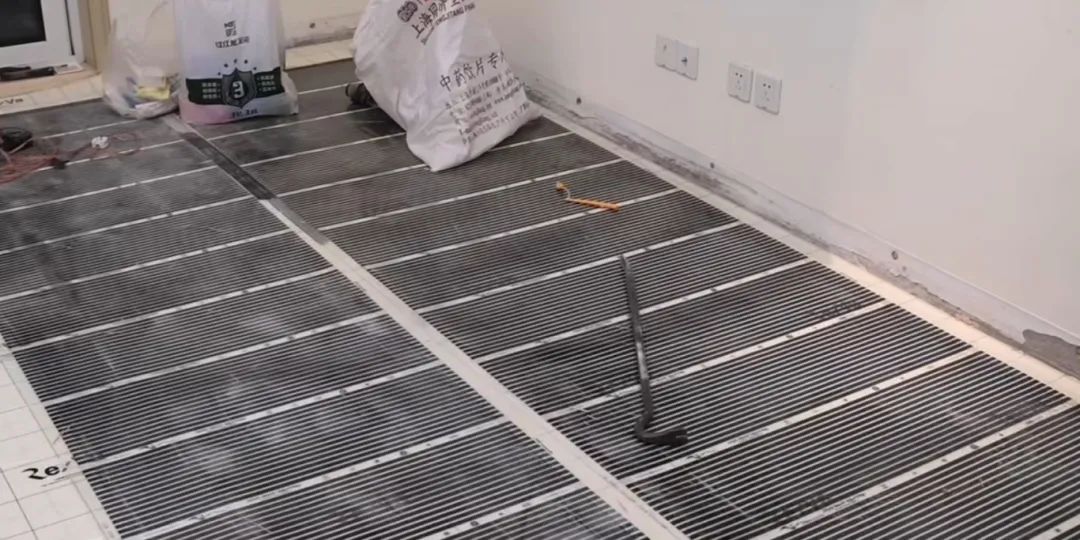
Graphene heating systems have been heavily marketed in recent years, but they are essentially upgraded versions of traditional electric heating films. The energy-saving claims are often exaggerated, and the lifespan of graphene-based systems tends to be shorter. Conventional heating cables remain the more reliable and time-tested choice.
9. What are the advantages of electric underfloor heating?
EUFH comes in two types:
l Wet installation (embedded in concrete): Similar to hydronic systems in layout and performance.
l Dry installation (modular panels): Faster and easier to install, perfect for retrofits and small areas. Independent zone control allows more flexible usage.
Another advantage is that electric systems require little to no maintenance — unlike hydronic systems, which need cleaning every 2–3 years.
10. Are there any downsides to electric underfloor heating?
Yes, there are a few:
- Higher upfront installation costs compared to some other heating methods.
- Potential need to upgrade your home's electrical system.
- Does not provide domestic hot water — you’ll need a separate water heater.
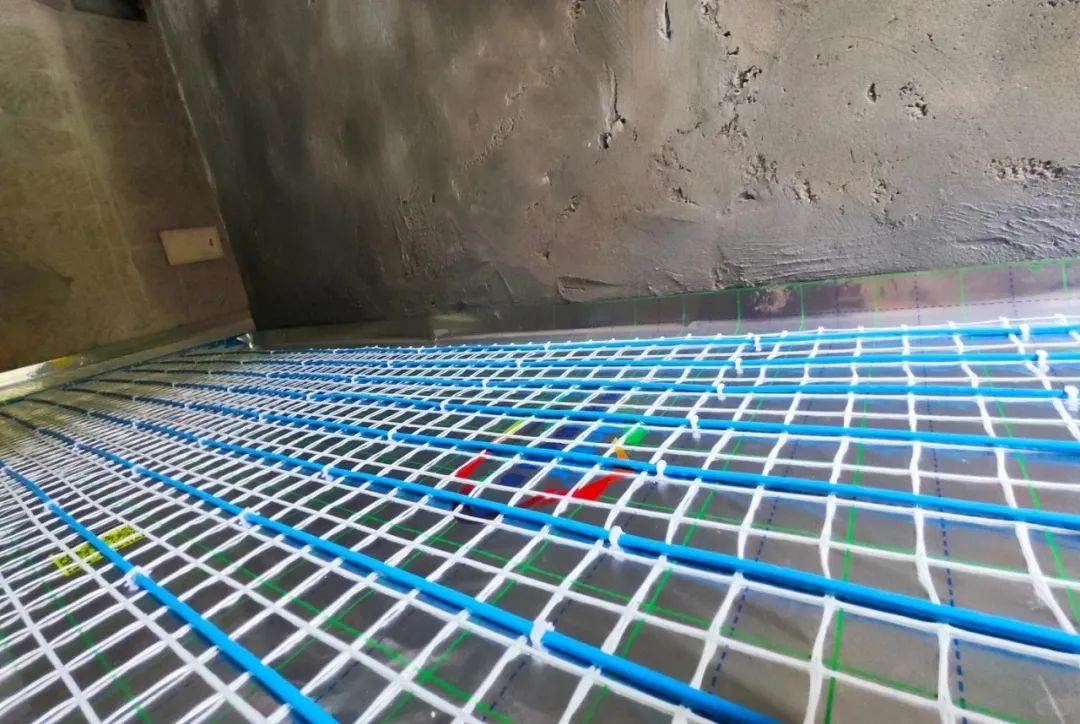
11. What is the typical lifespan of electric underfloor heating?
With proper installation and use, high-quality EUFH systems can last 30 to 50 years. Using certified products and ensuring correct installation is key to long-term durability.
12. Can electric underfloor heating be installed in a fully renovated home?
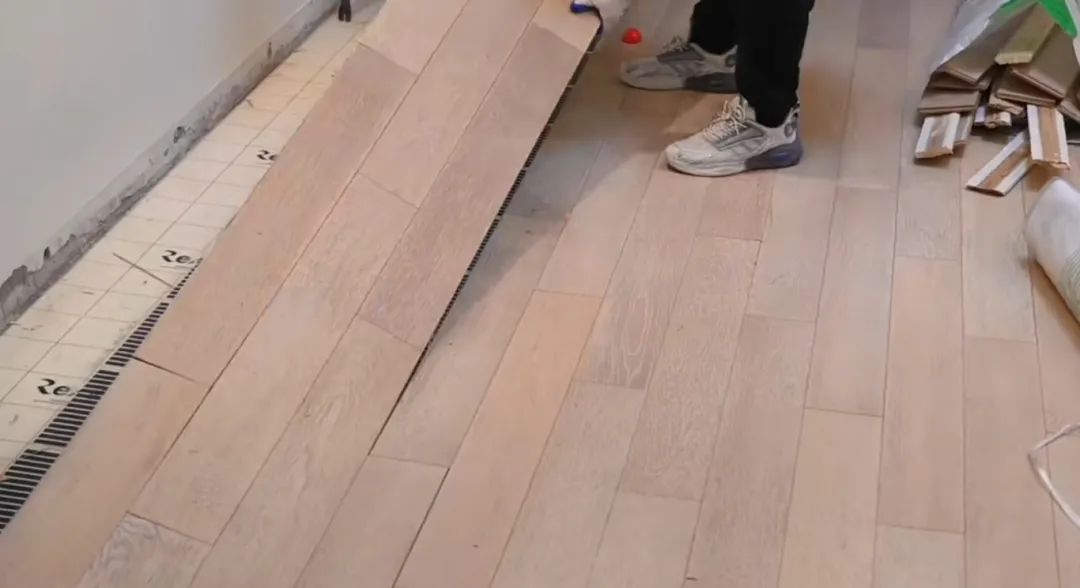
Yes, especially dry-type systems are ideal for retrofits. These modular systems, such as lightweight aluminum panels, can be installed without removing existing flooring and without needing concrete backfill. In many cases, installation can be completed in just 1–2 days with minimal disruption.
13. Will EUFH cause my flooring to warp or deform?
Not if you choose flooring materials designed for underfloor heating — look for products labeled high-temperature resistant and formaldehyde-free. In fact, the stable, even heating provided by EUFH can help prevent floorboard cracking.
14. Does electric heating increase formaldehyde release from floors?
All floor heating (electric or water-based) raises floor temperature and can accelerate formaldehyde release if materials are not properly selected. Choosing low-emission, certified flooring is essential. Flooring designed for underfloor heating is made to meet stricter environmental and stability standards.
15. How should I choose supporting materials for EUFH installation?
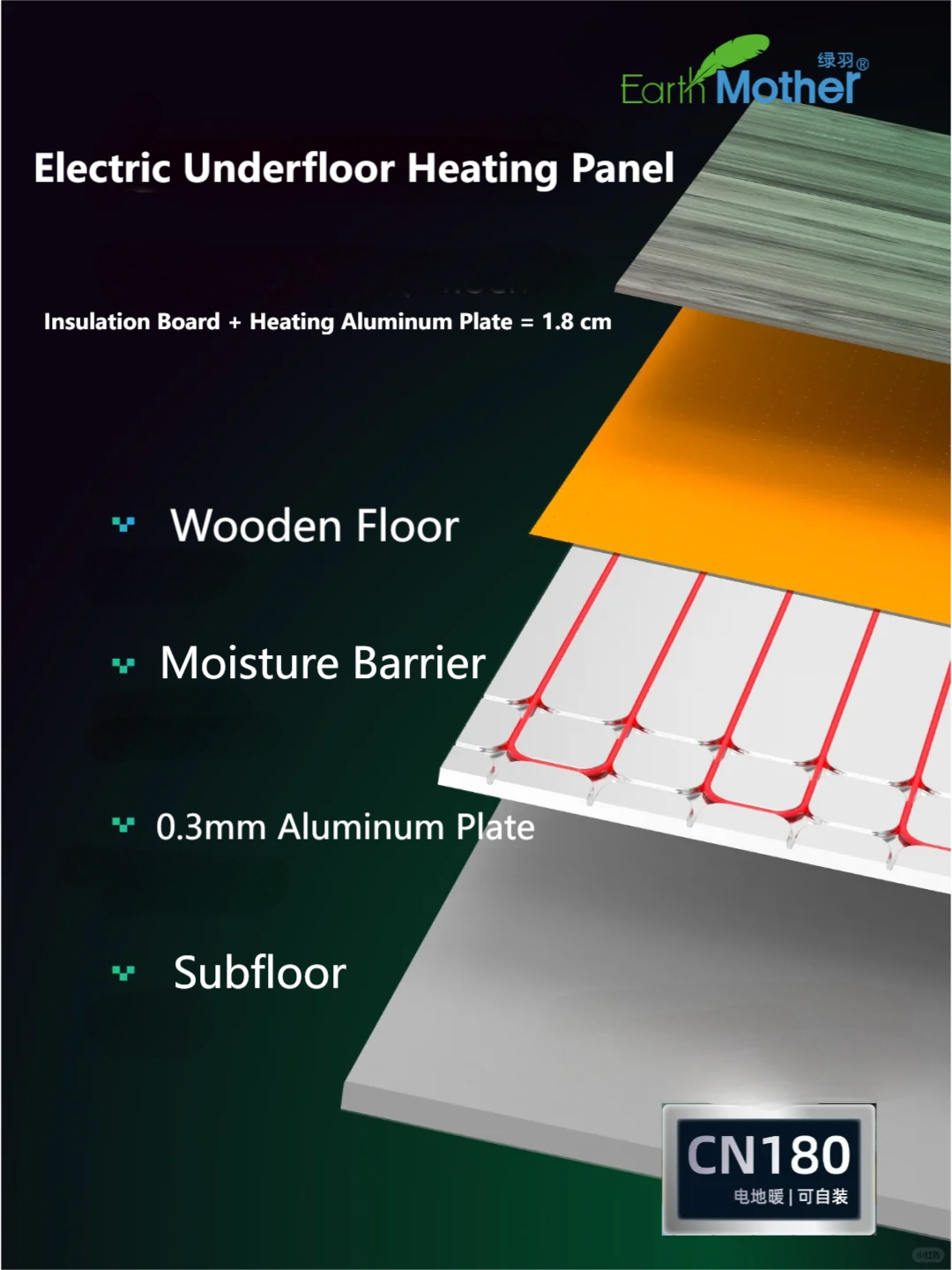
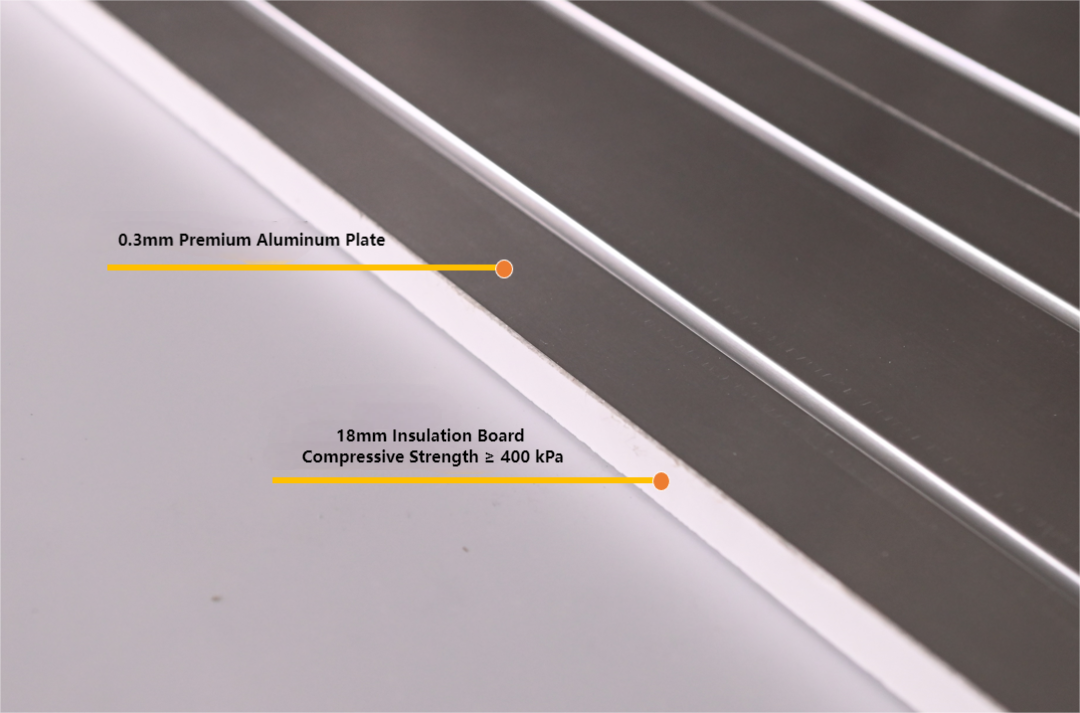
The core strengths of EUFH are its thin profile, flexibility, and efficiency. For example, the CN180 aluminum dry panel system from Earthmother features:
- Only 1.8 cm total thickness,
- Thermal conductivity rated at 0.034 W/(m·K),
- Compressive strength ≥ 400 kPa,
- 0.3 mm thick aluminum for rapid heat distribution.
This combination ensures efficient energy use and minimal height loss, especially suitable for energy-conscious and space-limited homes.
Why Isn’t Electric Underfloor Heating More Widespread?
Despite its many advantages, EUFH is still misunderstood. Common misconceptions — like the belief that all radiation is harmful, or that gas heating is always cheaper, or that EUFH dries out the air — have created resistance. In some cases, competing industries also spread misinformation.
Yet electric underfloor heating is a mature, safe, and versatile technology with unique benefits. Changing public perception takes time — but informed homeowners are increasingly recognizing its true value.