Extreme weather is reshaping how we think about energy-efficient buildings. A well-insulated building envelope is no longer just for winter—it is essential for year-round comfort and energy efficiency.
When Heatwaves Challenge Traditional Buildings
Recent summers have brought unprecedented heatwaves across many parts of Europe, with temperatures exceeding historical averages in numerous regions. As prolonged periods of extreme heat become more frequent, maintaining comfortable indoor environments has become an increasingly important challenge.
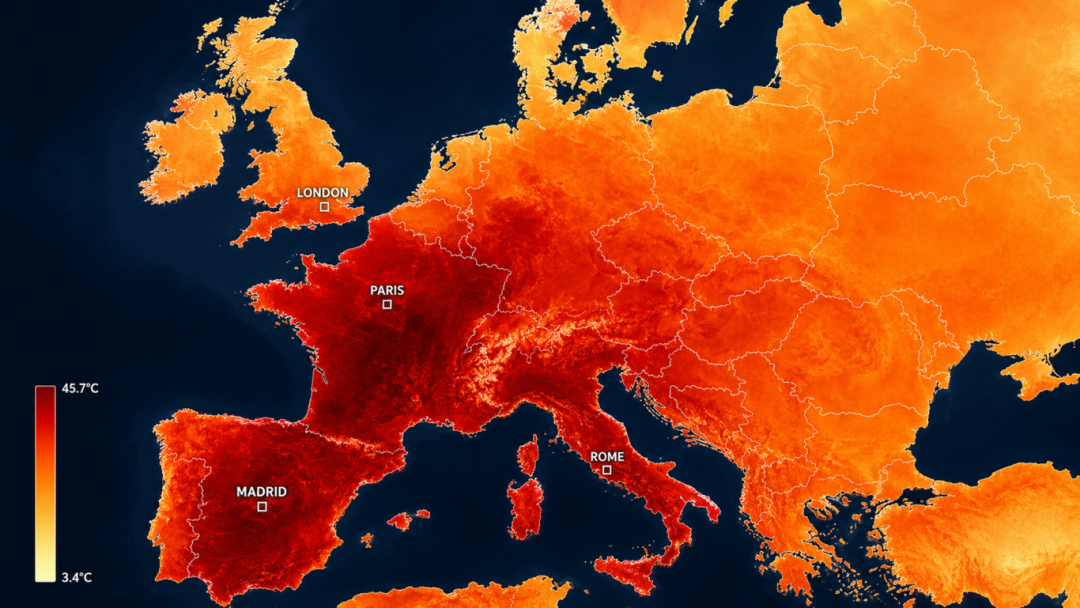
While air conditioning adoption varies by country due to differences in climate, building traditions, regulations, and installation costs, one trend is becoming clear: cooling demand is rising as outdoor temperatures continue to increase.
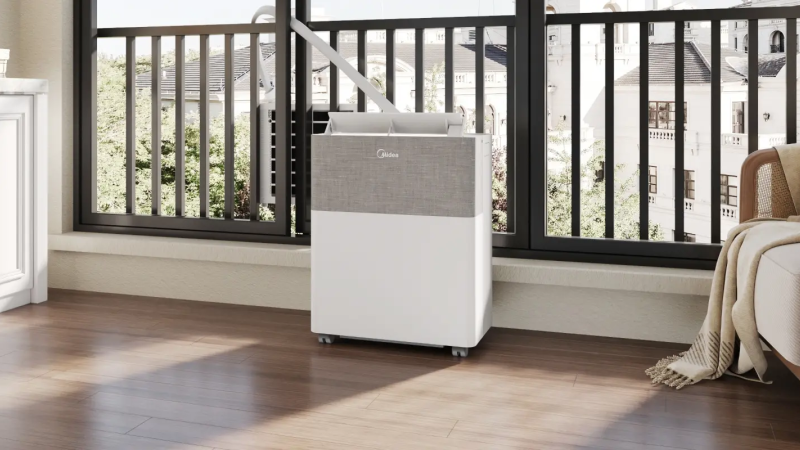
However, air conditioning alone cannot solve the challenge of overheating.
Buildings Are the First Line of Defense
Many European buildings were traditionally designed to conserve heat during long winters. Thick masonry walls and insulated building envelopes provide excellent thermal mass, helping stabilize indoor temperatures throughout the year.
Under typical summer conditions, these designs perform well by slowing heat transfer and reducing indoor temperature fluctuations.
But as heatwaves become more intense and last longer, passive building performance alone may no longer be sufficient. Mechanical cooling is increasingly necessary during extreme weather events.
This does not mean that thermal insulation has become less important.
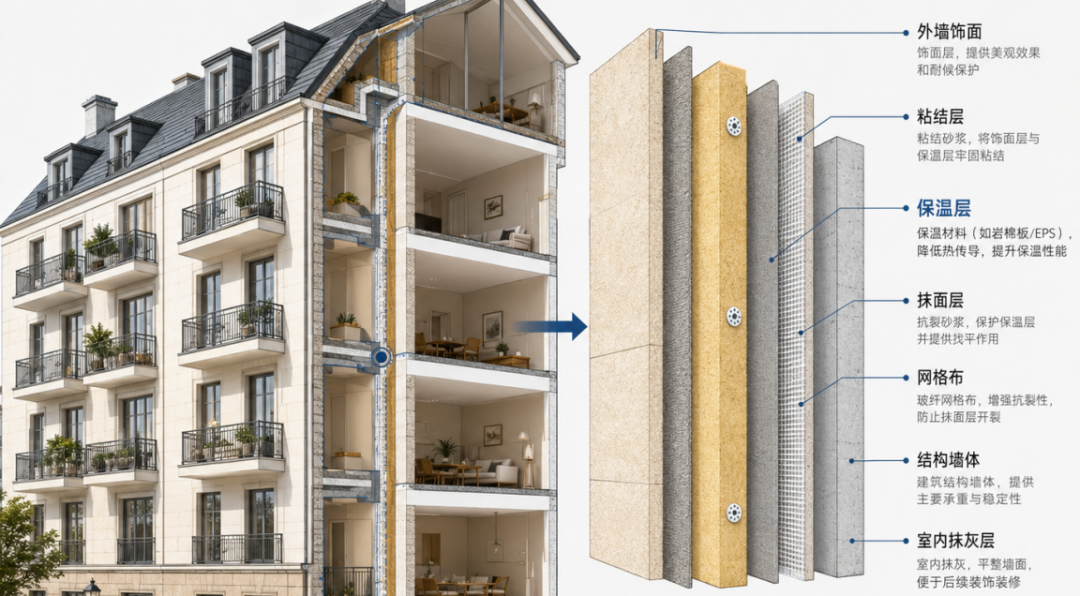
On the contrary, a well-insulated building remains the foundation of an energy-efficient cooling strategy. By reducing heat entering the building, insulation allows cooling systems to operate more efficiently, lowers energy consumption, improves indoor comfort, and helps reduce peak electricity demand.
The most resilient buildings combine both:
- High-performance thermal insulation
- Efficient cooling systems
Rather than relying on either one alone.
Energy Efficiency Starts with the Building Envelope
As climate conditions continue to evolve, sustainable buildings must be designed for both heating and cooling performance.
Around the world, modern building energy codes are placing increasing emphasis on improving the thermal performance of walls, roofs, and floors. Better insulation reduces unwanted heat transfer in every season, creating buildings that are more comfortable, more energy efficient, and more resilient to extreme weather.
For homeowners, this means lower operating costs and improved indoor comfort.
For cities, it means lower peak energy demand and a more sustainable built environment.
Building for a Changing Climate
Climate resilience is no longer simply about installing larger cooling systems.
The future of green buildings lies in integrating passive energy-saving measures with efficient active climate control. High-performance thermal insulation remains one of the most effective and cost-efficient ways to reduce energy use while improving occupant comfort.
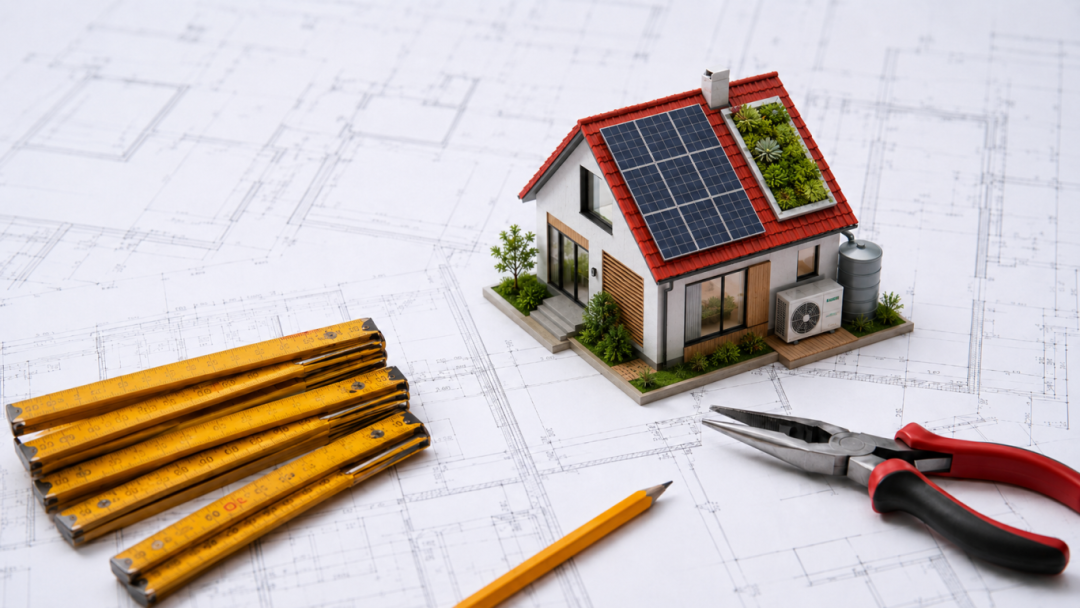
As global temperatures continue to rise, the buildings that perform best will be those that are designed to work with the climate—not against it.
Because true sustainable construction is not only about consuming less energy. It is about creating buildings that remain comfortable, efficient, and resilient for decades to come.