6 Myths About Underfloor Heating
Underfloor heating as a comfortable, healthy heating, by more and more people love, but in the process of exchanging with homeowners, found in the selection, construction and use of the process, there are a number of misunderstandings, many homeowners for which they are confused. Therefore, today we will talk about how to prevent misunderstandings, to create a warm home.
Myth 1: Water underfloor heating is wetter, electric underfloor heating is drier
Many people think that water underfloor heating is wet and electric underfloor heating is dry, but this is not the fact. Water underfloor heating is using water as a carrier of heat, and will not be used to regulate humidity. Heating cables, on the other hand, are used to convert electricity into heat directly through the cables.

Water underfloor heating
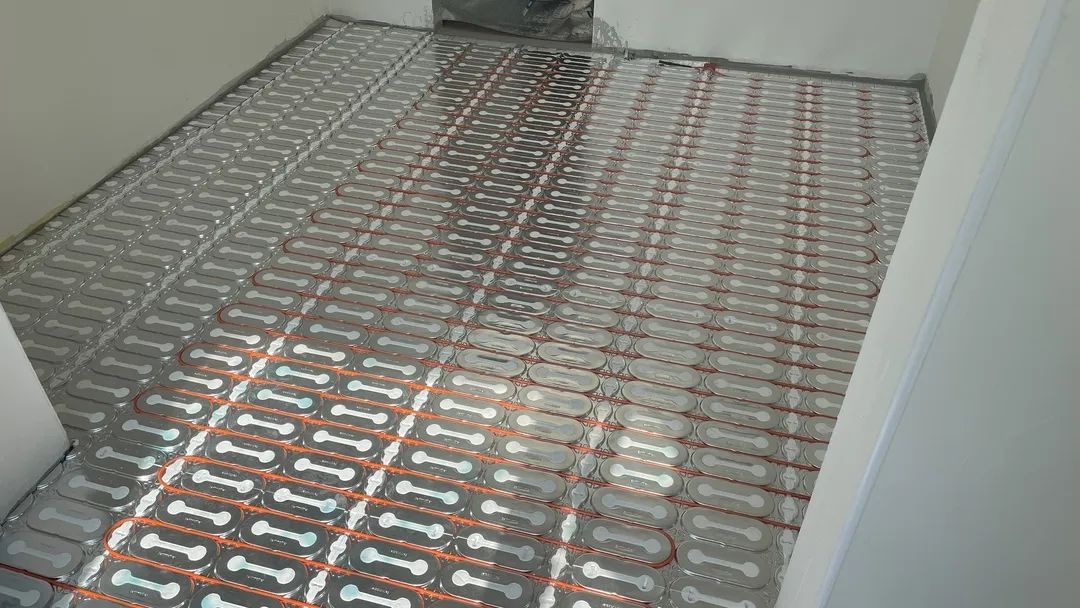
Electric floor heating
Whether it's water underfloor heating or electric underfloor heating, the heat given off is absorbed by the concrete and floor layers, which then heats the room. Generally, water underfloor heating is preferred for large rooms that are open for a long time, while electric underfloor heating is more suitable for small or partially open heating rooms.
Myth 2: The higher the temperature is set, the faster it heats up
Many users will assume that water underfloor heating is slow to heat up and that by setting the temperature higher, the underfloor heating will heat up faster.
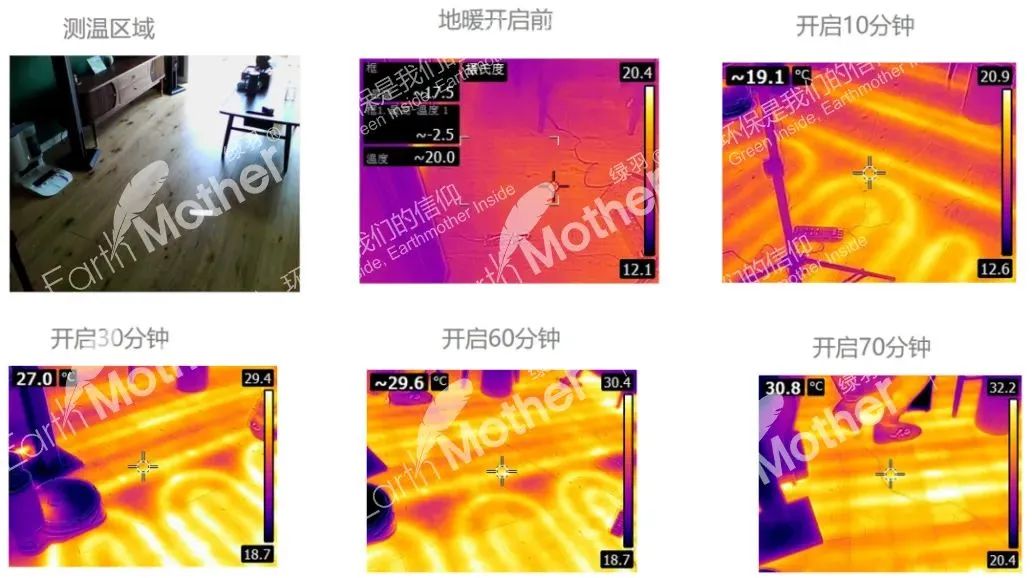
Change in floor temperature with underfloor heating switched on in the same area
In fact, it is not, floor heating is slow because of the high heat capacity of water, and the warming rate of underfloor heating is mainly determined by the temperature difference between indoors and outdoors and the size of the room, so no matter how many degrees the thermostat is set to, it takes a certain amount of time for the temperature to rise, adjusted to a high level may only be in vain to increase energy consumption.
Myth 3: The denser the underfloor heating pipe coil the better
When designing underfloor heating, many homeowners assume that the denser the underfloor heating coil, the warmer the room will be. In fact, the spacing of the floor heating coil design is based on a variety of factors in accordance with the relevant data calculated, the coil spacing is too dense, it will not only cause the wall-hung boiler to start and stop frequently, but also may cause causing dryness and overheating, affecting the health of the body.
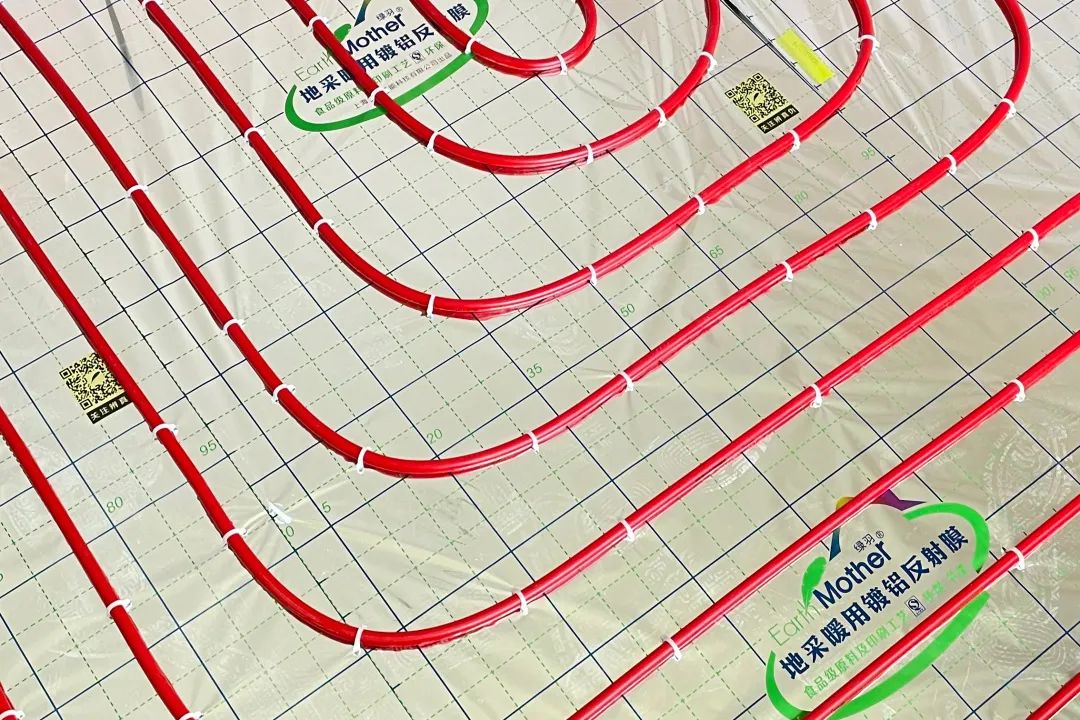
Therefore, according to the layout of the unit area and the insulation effect of the room, it is necessary to design a reasonable piping direction and piping spacing. Piping spacing is too high or too low will affect the heating effect and energy consumption. More advice should be taken from professional designers.
Myth 4: Installing air conditioning and underfloor heating is a repeat investment
Some homeowners believe that the home installed air conditioning, can already produce heat, and then installing floor heating is a waste. In fact, the biggest function of air conditioning is cooling, heating is just a side function, winter heating with air conditioning, not only comfort greatly reduced, and energy consumption is also unexpectedly high.
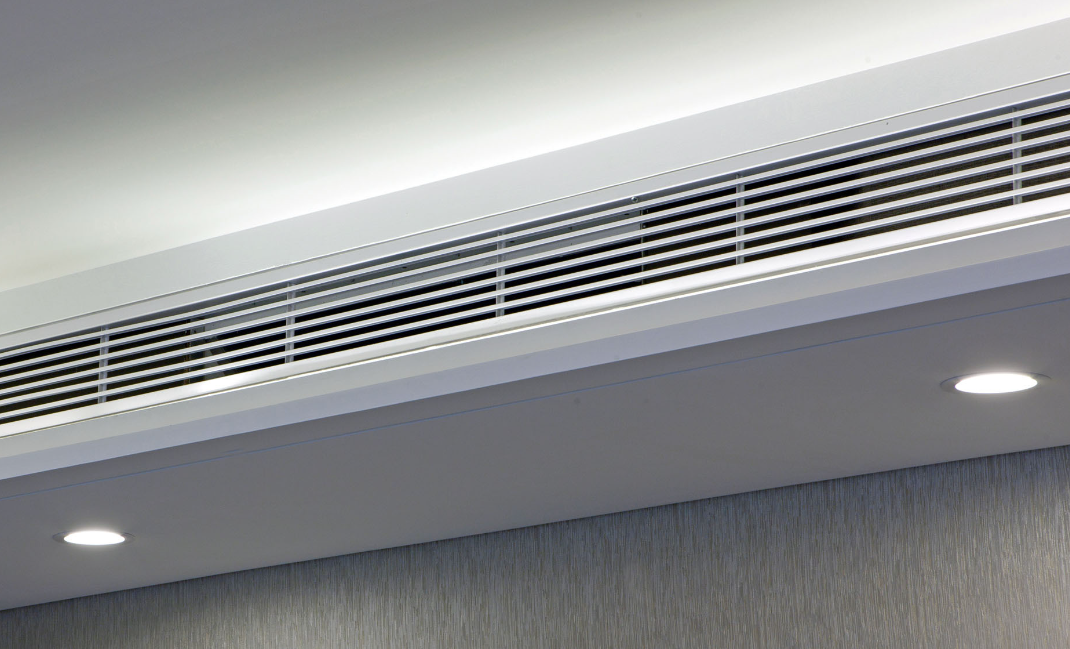
Underfloor heating is specialised in heating, which is not only very comfortable but also more energy efficient compared to air conditioning. Therefore, whether from the economic benefits or from the perspective of home comfort, installed air conditioning and floor heating, are not a waste, not to mention the duplication of investment.
Myth 5: Underfloor heating selection is only concerned with the main unit
Underfloor heating wall-hung boilers and water dispensers are the biggest part of the underfloor heating cost, but the good or bad of the underfloor heating system is not determined by the host alone. Because underfloor heating is a complex system project, in addition to the wall-hung boiler, the control system (manifold, thermostat), piping system (floor heating mains and coils), and insulation system (ground base materials) are not to be ignored.
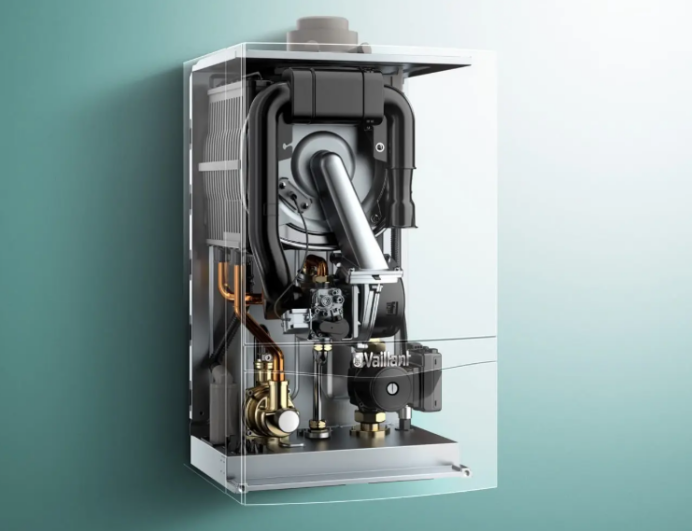
With the choice of floor heating wall-hung boilers, control, piping, insulation and other system materials should also pay attention to the selection of brand and quality, try to choose the market reputation and popularity of the brand, reject the poor quality products.
Myth 6: It's best to install independent temperature control in each room
Nowadays, many users are very fond of installing underfloor heating thermostats in each room independently, believing that turning off the underfloor heating in unoccupied rooms will be more gas-efficient and easier to control.
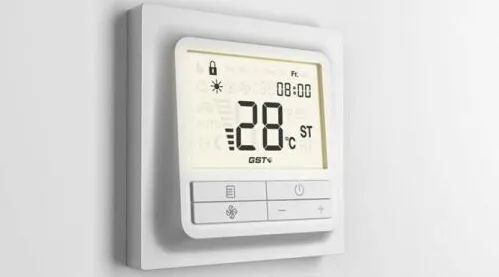
As a matter of fact, doing separate room independent temperature control also depends on the type of household. If the household is small, it does not make much sense to do independent switching control, because wall-hung boilers have a minimum starting power. For smaller rooms, it may be possible to turn on the underfloor heating fully and only half of the room, the actual energy produced is about the same, rather than doing a unified switch control is more convenient, but also reduces the use of electronic components, reducing the failure rate of the underfloor heating system.