A simple guide to choosing the right XPS insulation board under the new 2026 standards
01 | Check the Material: Choose Virgin Raw Materials
Start with what the insulation board is made of.
Some low-cost boards may contain recycled materials. For a material that remains enclosed beneath the floor for many years and is exposed to repeated heating cycles, material quality and long-term stability deserve careful attention.
For residential projects, choosing 100% virgin raw materials is a more reliable option for long-term performance and peace of mind.
When it comes to insulation beneath your floor, start with the right material.


02 | Check Thermal Performance: Insulation Comes First
The fundamental job of an insulation board is simple:
Keep the heat where you need it—not in the floor below.
Heat from underfloor heating pipes travels both upward and downward. A good insulation layer helps reduce downward heat loss, allowing more heat to remain within the living space.
When comparing insulation boards, pay close attention to thermal conductivity. The lower the thermal conductivity, the better the insulation performance.
For underfloor heating applications, achieving a 034 thermal conductivity class can meet typical energy-efficiency requirements.
03 | Check Compressive Strength: It Needs to Stand Up to Daily Loads
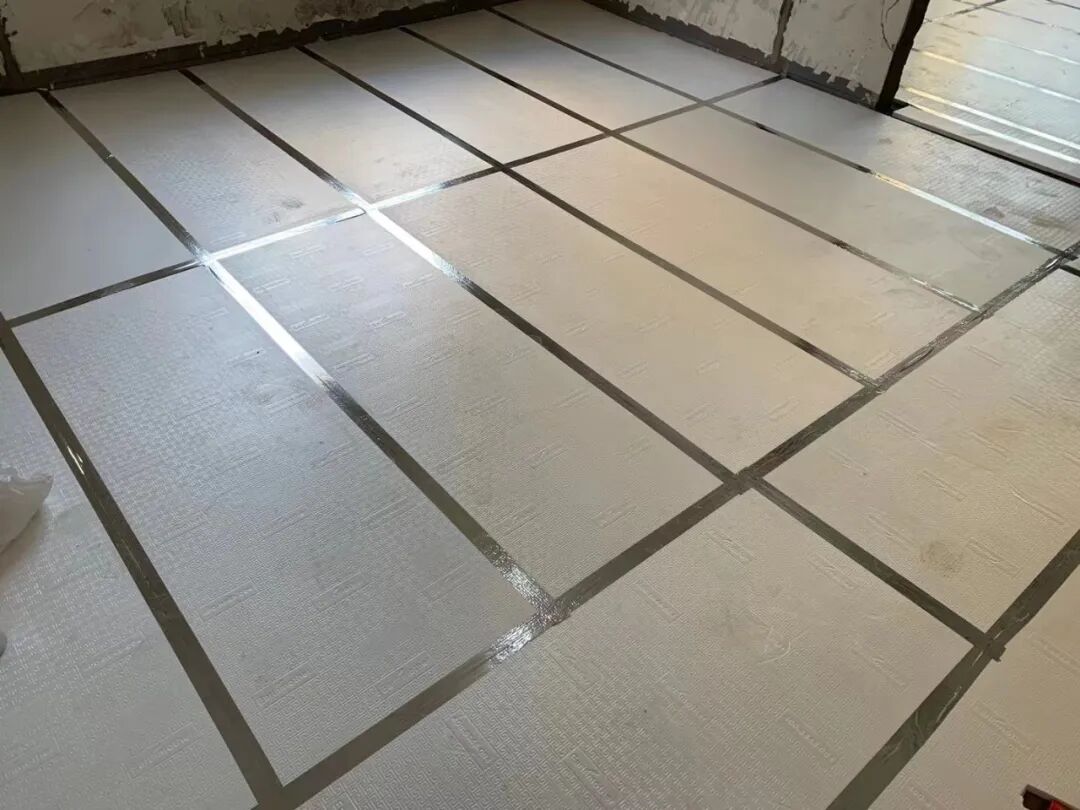
Insulation beneath the floor does more than provide thermal protection. It also forms part of the load-bearing structure of the floor system.
Furniture, cabinets, pianos, and everyday foot traffic all create loads that are ultimately transferred through the floor to the insulation layer.
If the board lacks sufficient compressive strength, long-term loading may cause deformation and affect the stability of the floor system.
For residential underfloor heating applications, compressive strength should be at least 250 kPa.
Good insulation should not only keep your home warm—it should also keep your floor stable.
04 | Check Fire Performance: The Flame Retardant System Matters
For insulation boards installed permanently beneath the floor, fire performance is an important consideration.
But there is another question worth asking:
What type of flame retardant is used?
The Concern with Conventional Small-Molecule Flame Retardants
Some conventional small-molecule flame retardants have relatively low molecular weights and may be more prone to migration or leaching over long periods of use.
For materials designed to remain inside a home for many years, fire performance is only part of the equation. The stability and environmental profile of the flame-retardant system also deserve attention.
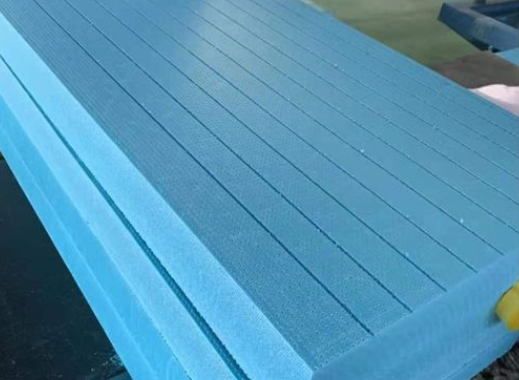
Advanced Flame-Retardant Technology: DuPont Polymer Flame Retardant
DuPont's polymeric flame-retardant technology uses a high-molecular-weight structure, with molecular weights of over 60,000 g/mol, helping reduce migration and leaching from the material while maintaining flame-retardant performance.
The flame-retardant technology has also received recognition under the Nordic Swan Ecolabel, providing an internationally recognized reference for environmental performance.
So when evaluating an underfloor heating insulation board, don't just ask whether it is flame retardant.
Fire performance is the foundation. What makes it flame retardant matters, too.

Summary: 4 Steps to Choose the Right Underfloor Heating Insulation
- Check the material — Prefer 100% virgin raw materials.
- Check thermal performance — Lower thermal conductivity means better insulation; look for the 034 class.
- Check compressive strength — At least 250 kPa for stable, long-term performance.
- Check fire performance — B2 or above, together with an environmentally responsible flame-retardant system.
When it comes to home renovation, the things you can't see can matter just as much as the things you can.
Take a few minutes to choose the right insulation today—and enjoy a more reliable floor system for years to come.