3 Advices to Avoid Noise from Dry Underfloor Heating
Many users are always torn between wet and dry underfloor heating when choosing underfloor heating for their renovation. One of the most important concerns about dry underfloor heating is the problem of noise. Some users will always say that in the Internet to see dry underfloor heating will be stepped on the creaking sound or aluminium plate friction sound, so in fact, dry underfloor heating really produce rattles?
01 What is dry underfloor heating
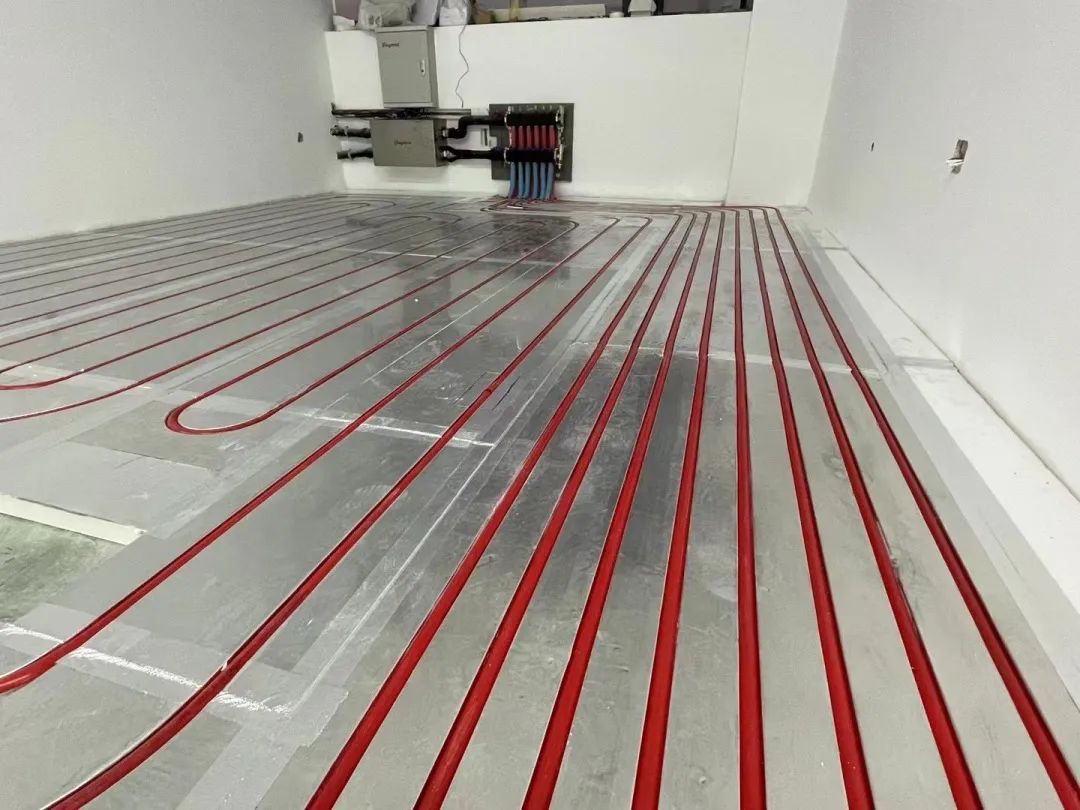
The distinction between dry or wet underfloor heating is with or without a backfill layer. The traditional wet floor heating after pipe laying is completed, you need to use concrete backfill levelling and then do the ground decorative layer, the thickness of the completed ground is 9~11cm.
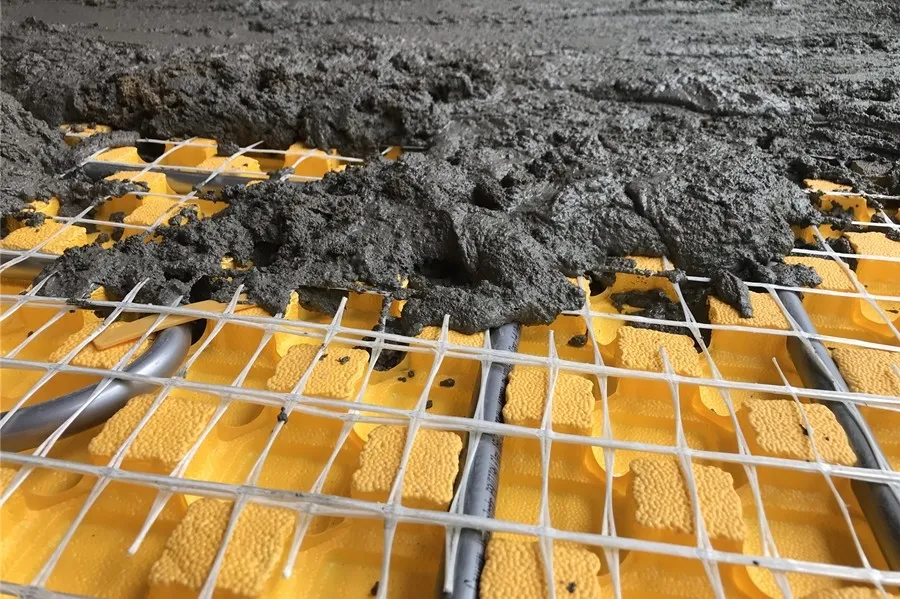
Wet underfloor heating
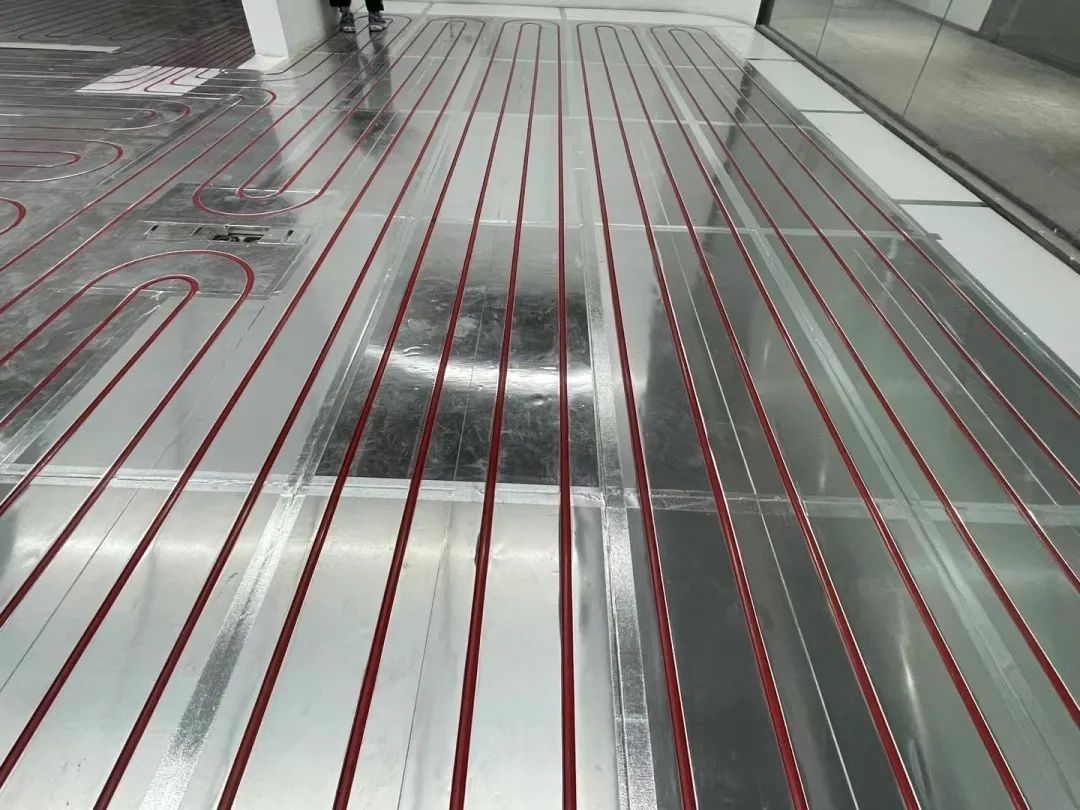
Dry underfloor heating
02 Causes of dry floor heating noise
The reason why some users report that there are abnormal noises on the ground after dry floor heating is laid related to the flatness of the original floor, the stability of the dry modules, and the protection of the finished products. As long as the possible causes of abnormal noises can be avoided, you can use it with confidence. The reasons for abnormal noise in dry floor heating are as follows:
1. Poor levelling of the original floor
A substandard levelling of the original floor will cause the dry module to be uneven and warped, and this will be transmitted to the wooden floor layer, causing creaking when stepped on. Therefore, the original floor needs to be levelled with gypsum base before laying the modules.
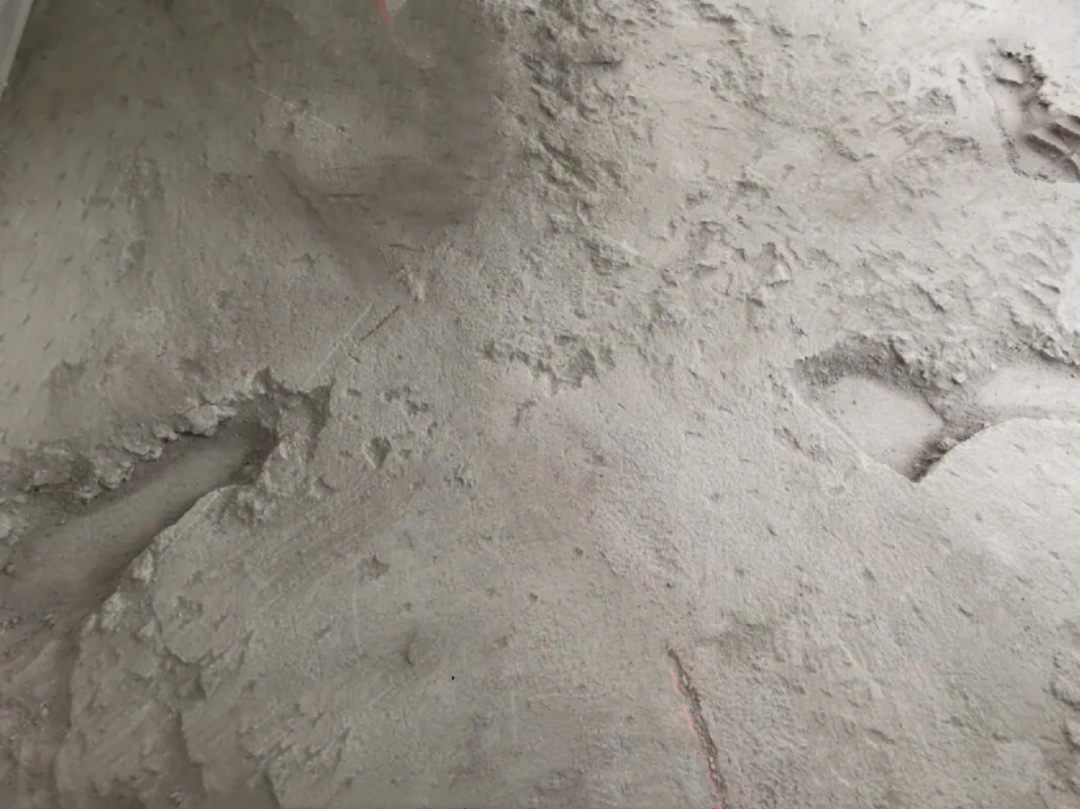
Original floor to be levelled
Use 2 metre ruler in the same position for cross-direction measurement, 2 metre ruler within the height difference is not more than 3mm, it shows that the ground flatness meets the floor heating paving requirements.
2. Unstable product quality
For dry floor heating modules, the insulation layer is usually used extruded boards. Once the quality of the extruded board is not good, the compressive strength is not up to standard. It will deform in the process of use, resulting in localised loosening, unevenness, etc., and will produce noise when stepped on. It is difficult to see the problem at the beginning of the installation, the only solution is to choose a product that comes from a reliable brand. Earthmother uses 100% new materials to produce high-standard panels with better compressive strength and dimensional stability.
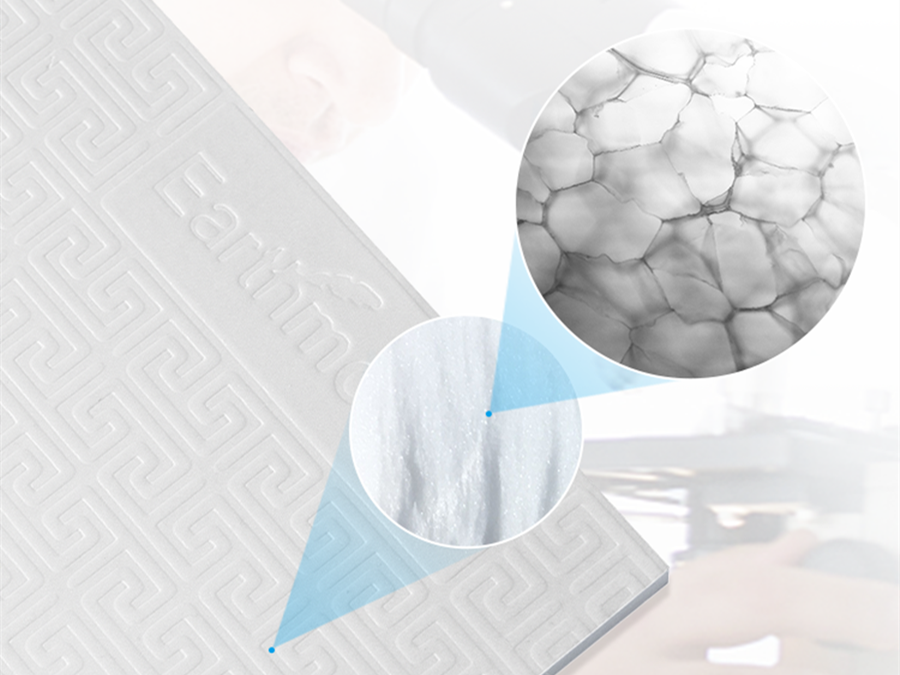
Earthmother Light Aluminium XPS Insulation Boards
3. Insufficiently refined production processes
Inferior product workmanship is manifested in the appearance, such as aluminium plate beyond the thermal insulation layer, aluminium plate material is too thin, these are relatively easy to see the clues at first sight. First of all, the aluminium plate must be of qualified quality, the recommended thickness is 0.2mm~0.3mm, 0.3mm is the best.
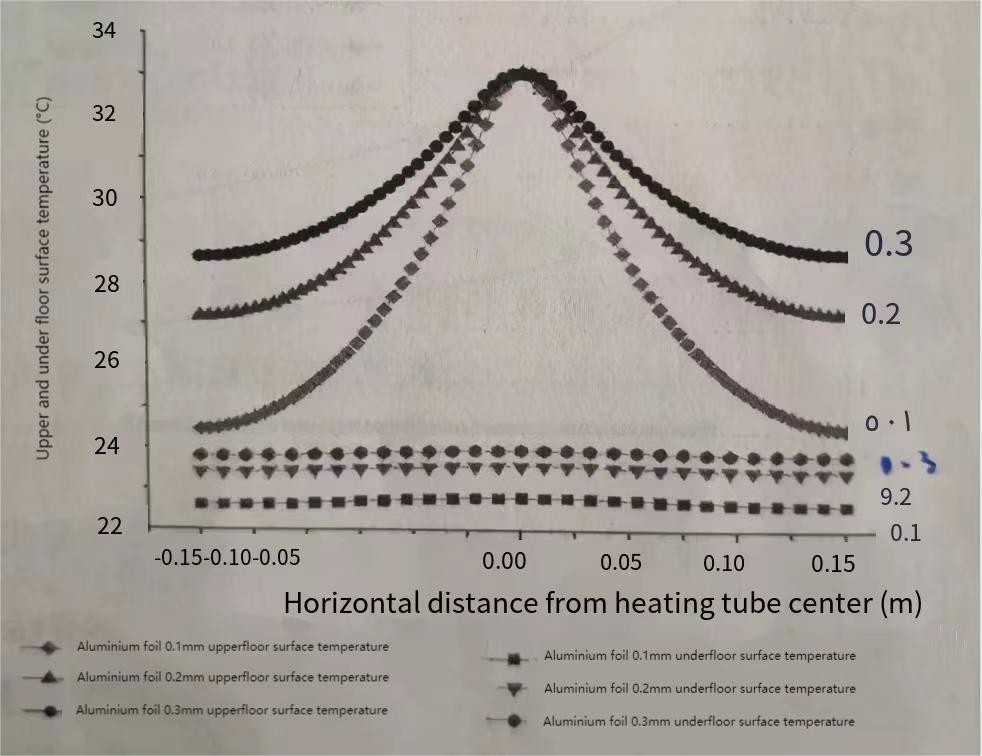
As shown in the graph above, the aluminium sheet thickness of 0.3mm is very effective in improving the heat dissipation and uniformity of the underfloor heating surface.
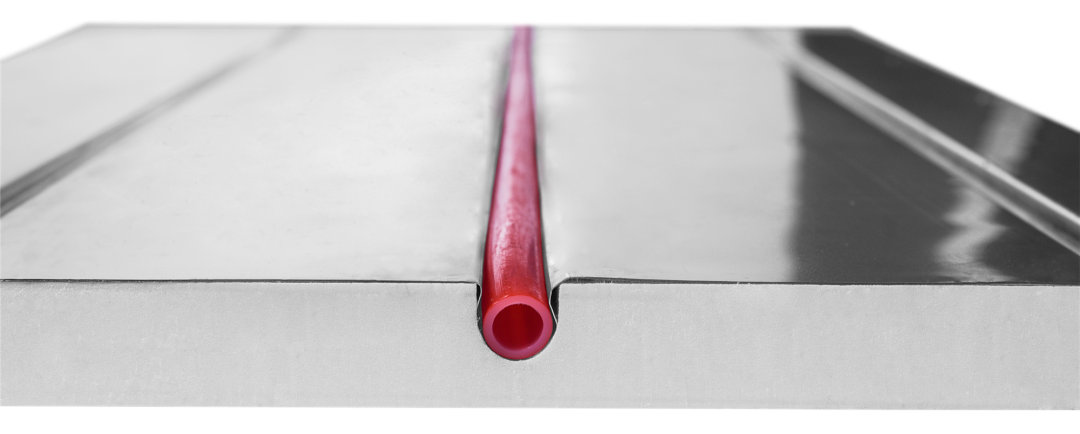
Clean surface of aluminium plate, tight fit of tube grooves to underfloor heating pipes
Secondly, the surface of aluminium plate is clean and tidy, and the parallel spacing of the pipe groove is standard.
Finally, the edge of the aluminium plate and the extruded plastic plate must be contracted between 1.5~3mm, to avoid the two pieces of aluminium plate directly friction noise. These requirements may seem simple, but they all require extremely high mechanised standard production levels.
4. Failure to protect finished products
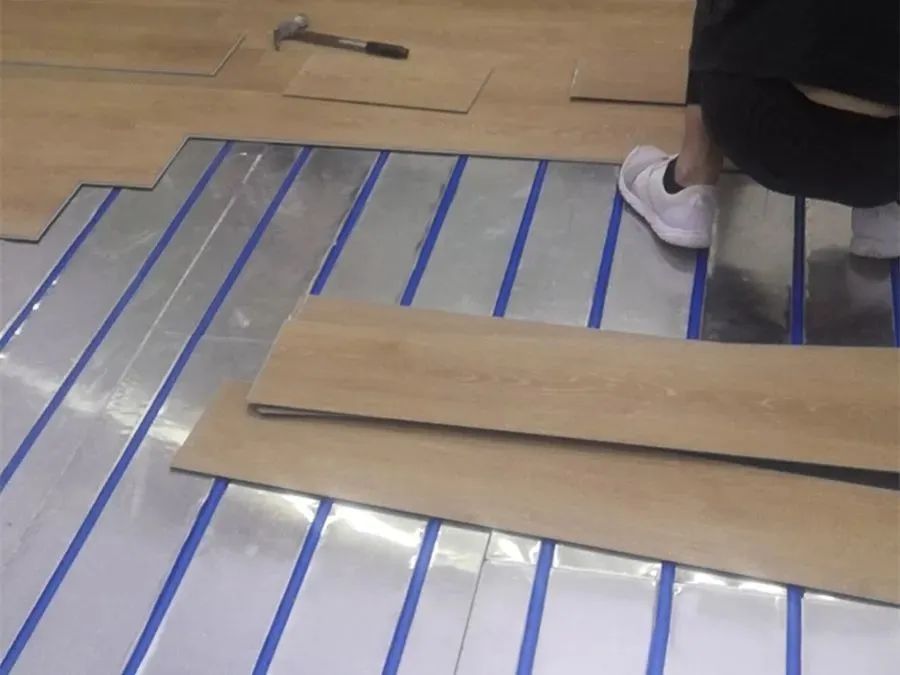
Many decoration companies in the completed dry floor heating layer on the construction, the finished product is not protected, arbitrary cutting, chiselling leading to product deformation, or in the installation of wood flooring before not on the cement particles, dust clearing treatment, cutting the floor wood shavings grey buried in the floor below the floor resulting in uneven treading, these are the reasons for the noise.
5. Water hammer in water pipes
When floor heating is installed, if it is not vented cleanly, it will produce a water-hammering sound. It needs to be vented all the way through and a special venting valve needs to be installed at the manifold for subsequent venting.